
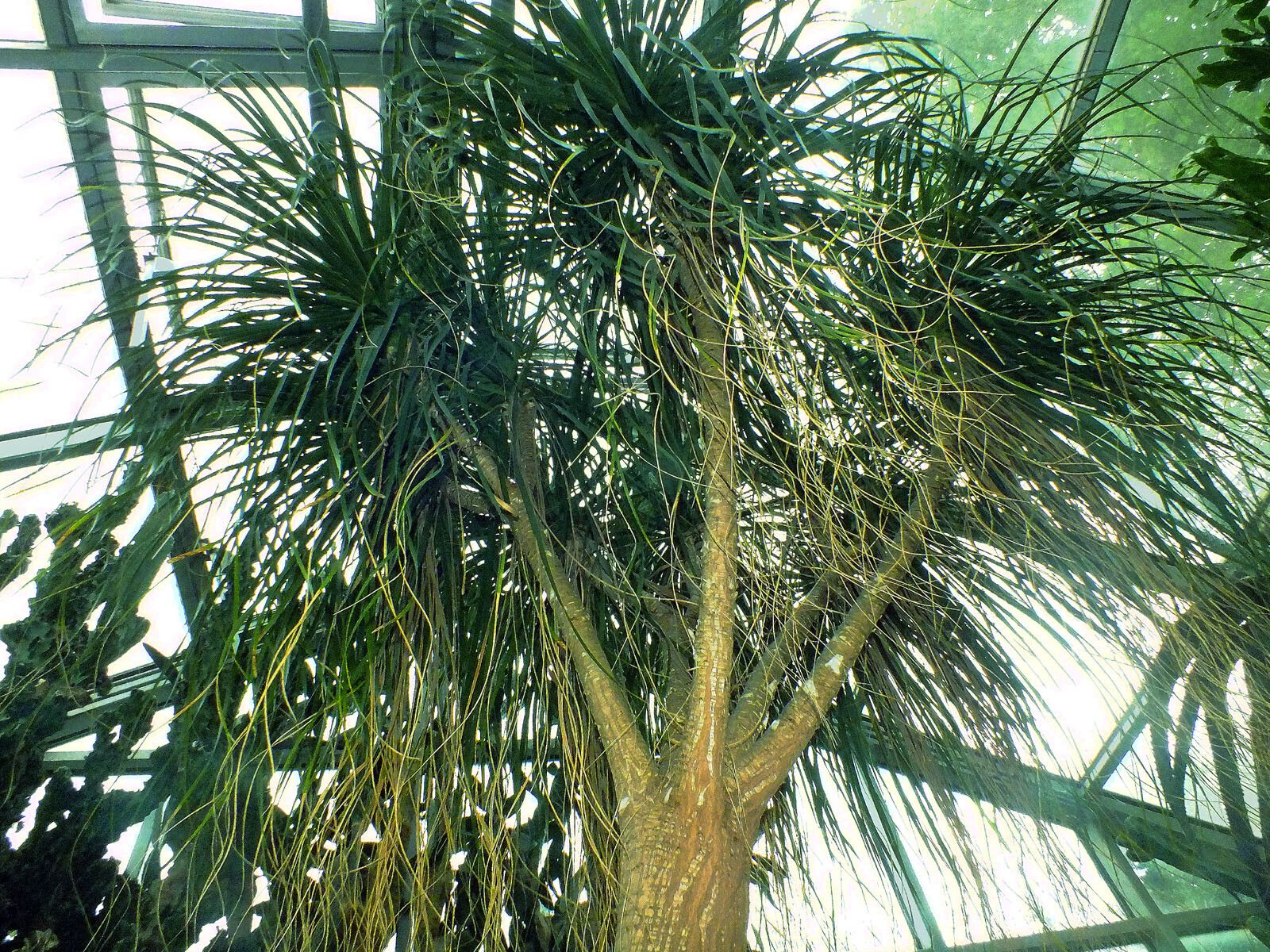
Propagating the Ponytail Palm: A Guide to Beaucarnea pliabilis
Introduction
Beaucarnea pliabilis, commonly known as the Ponytail Palm (although not a true palm), is a captivating succulent prized for its distinctive swollen caudex – a bulbous base that stores water – and its long, strappy leaves. Its drought tolerance and low-maintenance nature contribute to its popularity among indoor and outdoor gardeners in warm climates. However, propagating this striking plant can present unique challenges, owing to its slow growth and specific requirements. This article explores the various propagation methods for Beaucarnea pliabilis, weighing their feasibility and offering practical advice for success.
Seed Germination
Currently, there are no known reliable methods for seed germination propagation of Beaucarnea pliabilis. While seeds may occasionally be produced, their germination rate is notoriously low, and achieving consistent success remains elusive. Further research into optimal germination conditions, including stratification techniques and hormonal treatments, is needed.
Cuttings
Cuttings offer a more promising avenue for propagation.
Challenges: Beaucarnea pliabilis is slow to root from cuttings. Rotting is a significant risk if not handled carefully. The success rate is relatively low compared to easier-to-propagate succulents.
Tips: Use a sharp, sterile knife or blade to take stem cuttings from mature, healthy plants. Allow the cut ends to callus over for several days before planting them in well-draining cactus and succulent potting mix. Avoid overwatering; bottom watering is preferable. Using rooting hormone can improve chances of success. High humidity and bottom heat can also aid in root development.
- Rewards: Cuttings produce genetically identical offspring, preserving desirable traits. This method is suitable for medium-scale propagation once you achieve success.
Division
Division of established plants is a viable but limited propagation method.
Challenges: Beaucarnea pliabilis doesn’t readily offset or produce readily separable pups like some other succulents. Mature plants with significant root systems may be difficult to divide without causing significant damage to the mother plant. Division should only be attempted on large, well-established plants.
Tips: Carefully examine the plant for any smaller shoots or offsets emerging from the base. When dividing, use a sharp, sterilized tool to separate the offsets, ensuring each division has a substantial portion of its own roots. Plant each division in well-draining potting mix and water sparingly.
- Rewards: Relatively quicker establishment than cuttings. Division ensures genetically identical offspring.
Tissue Culture
Tissue culture offers the potential for large-scale propagation of Beaucarnea pliabilis.
Challenges: This method requires specialized equipment, a sterile lab environment, and expertise in plant tissue culture techniques. It’s not a method suitable for home propagators.
Tips: This method requires access to a plant tissue culture laboratory and trained personnel. The process involves sterilizing plant material, cultivating it on a nutrient-rich agar medium, and then transferring the resulting plantlets to individual pots for further growth.
- Rewards: High propagation rate, allows for large scale production and the elimination of diseases.
Conclusion
Propagating Beaucarnea pliabilis presents unique challenges across all methods. Seed germination currently proves unreliable. Cuttings, while possible, require patience and careful technique to overcome the high risk of rot. Division is limited by the plant’s growth habit. Tissue culture is the most efficient but requires specialized resources. The rewards, however, are significant: the successful cultivation of these elegant plants, regardless of the chosen method, provides immense satisfaction. The unique challenge and the eventual success in nurturing these slow-growing succulents offers a deeply rewarding experience for the dedicated plant enthusiast. For aspiring propagators, patience, attention to detail, and a willingness to experiment are paramount to success. Start with cuttings, focusing on sterile conditions and appropriate watering, and don’t be discouraged by early setbacks. The beauty of a successfully propagated Ponytail Palm will be well worth the effort.