
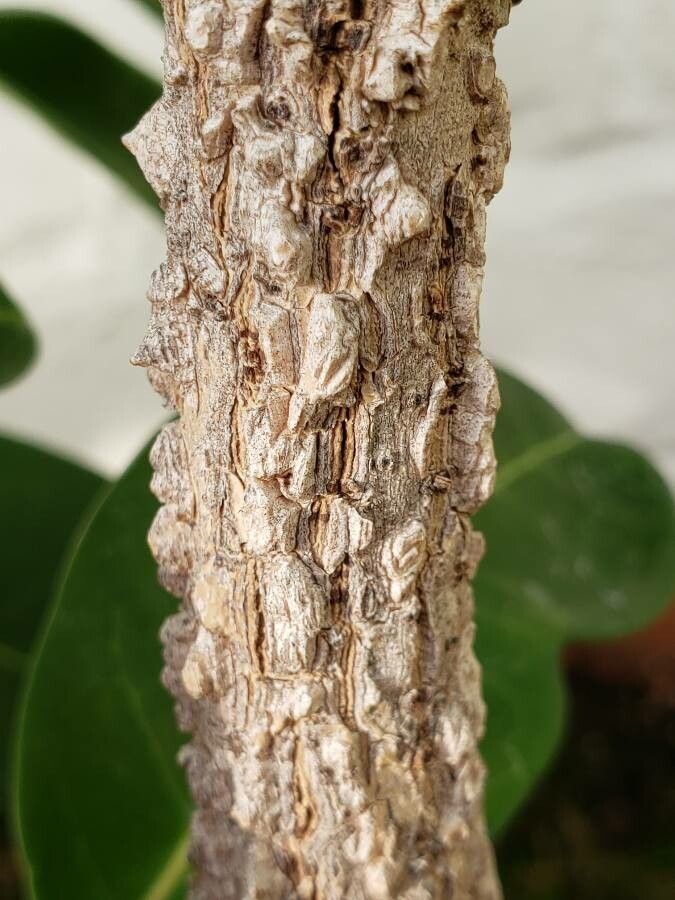
Taming the Herald’s Trumpet: A Guide to Propagating Beaumontia Grandiflora
The Beaumontia grandiflora, more affectionately known as the Herald’s Trumpet or Easter Lily Vine, is a sight to behold. This vigorous climber boasts glossy, deep green foliage and explodes into fragrant, trumpet-shaped white blooms that easily rival the beauty of its namesake lily. If you’ve ever dreamed of having this tropical stunner grace your garden, you’ll be pleased to know that propagating Beaumontia grandiflora, while a bit tricky, is entirely achievable with a little patience and the right techniques.
Understanding the Challenges
Before we delve into the methods, it’s essential to understand why propagating the Herald’s Trumpet isn’t as straightforward as tossing some seeds in the ground. Beaumontia grandiflora is notoriously slow to produce seeds, especially in cooler climates where it might not flower as readily. Additionally, seeds can take their sweet time to germinate, sometimes requiring months of watchful waiting. But fret not, aspiring plant parents! This is where the magic of cuttings comes in.
The Art of Propagation: Cuttings to the Rescue
Propagating through cuttings is the most reliable method for the Herald’s Trumpet. This involves taking a piece of the parent plant and encouraging it to develop roots, essentially creating a clone. Here’s a step-by-step guide:
1. Timing is Everything: Choose a healthy, mature stem for your cutting. The best time for this is late spring or early summer, when the plant is actively growing.
2. Making the Cut: Using a sharp, sterilized knife or pruning shears, take a cutting that’s about 4-6 inches long. Make the cut just below a leaf node (the bump where a leaf emerges).
3. Prepare the Cutting: Remove the leaves from the bottom half of the cutting to prevent them from rotting in the soil. You can also make a small, vertical cut at the base of the stem to encourage root development.
4. Rooting Hormone: (Optional but Recommended) Dipping the base of the cutting in rooting hormone can significantly increase the chances of successful rooting.
5. Potting Mix Perfection: Choose a well-draining potting mix that retains moisture without becoming soggy. A mixture of peat moss and perlite works well.
6. Plant and Protect: Plant the cutting about 2 inches deep in the potting mix, ensuring the leaf nodes are buried. Water thoroughly and cover the pot with a clear plastic bag or humidity dome to create a warm, humid environment.
7. Patience, Young Gardener: Place the pot in a bright, indirectly lit location. Avoid direct sunlight as it can scorch the developing roots. Keep the soil consistently moist but not waterlogged.
8. Signs of Success: In a few weeks, you should start to see new growth, a telltale sign that your cutting has successfully rooted. At this point, you can gradually acclimate the plant to normal humidity levels by making small holes in the plastic covering.
9. Transplanting: Once the cutting has developed a robust root system (usually after a couple of months), it’s ready to be transplanted into a larger pot or—if climate allows—directly into the ground.
A Rewarding Endeavor:
While propagating Beaumontia grandiflora requires a touch more finesse than some plants, seeing those first signs of growth on your cutting makes the effort well worthwhile. With a little patience and care, you can successfully propagate this exquisite vine and enjoy the stunning beauty of the Herald’s Trumpet in your own garden.