
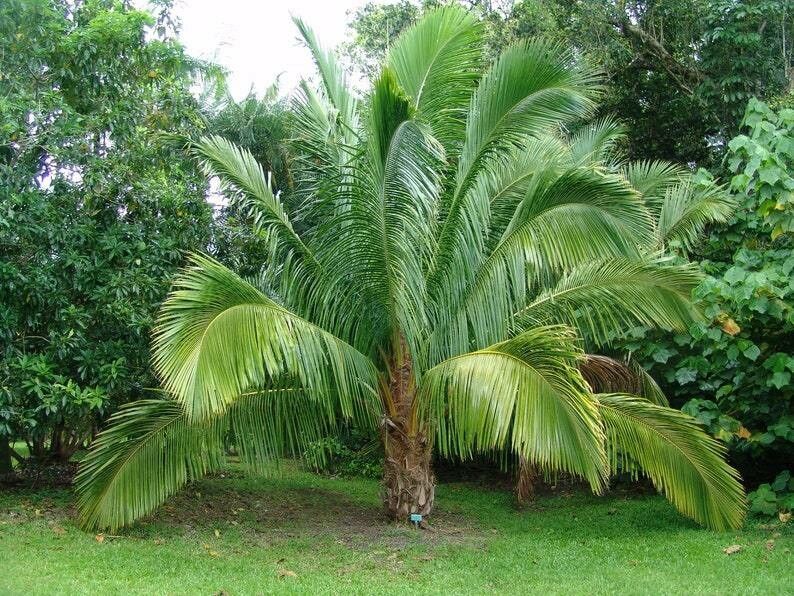
Unlocking the Secrets of the High Plateau: Propagating Beccariophoenix alfredii
The Beccariophoenix alfredii, also affectionately known as the High Plateau Coconut Palm, has taken the landscaping world by storm. This stunning palm, native to the high plateaus of Madagascar, offers a tropical aesthetic with its graceful arching fronds and impressive stature. But unlike its notoriously tricky cousin the Coconut Palm (Cocos nucifera), the Beccariophoenix alfredii is surprisingly adaptable and considerably more cold-tolerant. This makes it highly sought-after by palm enthusiasts and casual gardeners alike.
While procuring a mature specimen can be expensive, propagating your own “High Plateau Coconut” is a rewarding endeavor within reach for even novice gardeners. Let’s explore the two most common methods:
1. Seed Propagation: A Test of Patience and Persistence
a) Sourcing Your Seeds:
Freshness is key when it comes to palm seeds. Look for reputable online vendors or specialized nurseries offering Beccariophoenix alfredii seeds. Avoid old or dried-out seeds, as they have significantly reduced viability.
b) Preparing for Germination:
- Soaking: Begin by soaking the seeds in lukewarm water for 24-48 hours. This rehydrates the seed and jumpstarts the germination process.
- Choosing Your Medium: A well-draining seed starting mix is ideal. You can use a pre-mixed option or create your own using equal parts peat moss, perlite, and vermiculite.
Providing the Right Environment: Plant each seed about an inch deep in your chosen medium, ensuring the pointed end faces down. Place the pots in a warm, humid location with temperatures consistently around 80-85°F (27-29°C). A seedling heat mat can help maintain optimal temperatures.
c) The Waiting Game and Beyond:
Germination can take anywhere from 2 to 6 months, and even longer in some cases. Be patient, and don’t lose hope if you don’t see sprouts immediately. Once the seedlings emerge, provide them with bright, indirect light. As they grow, gradually acclimate them to more sunlight.
2. Offshoot Propagation: A Faster, But Rarer, Route
Occasionally, mature Beccariophoenix alfredii palms produce offshoots or “pups” at their base. These offer a faster path to a mature plant, but they are less common than seed propagation.
a) Separating the Offshoot:
Carefully remove the offshoot from the mother plant using a clean, sharp knife. Ensure the offshoot has some roots of its own for successful propagation.
b) Potting and Care:
Plant the offshoot in a well-draining potting mix and provide it with the same care as a seedling. Water regularly and ensure adequate humidity until the offshoot establishes itself.
Essential Tips for Success:
- Maintain Consistent Moisture: Keep the growing medium consistently moist, but not waterlogged.
- Provide Adequate Humidity: This tropical palm thrives in humid environments. Consider using a humidity tray or humidifier, especially during drier months.
- Fertilize Regularly: Use a balanced, slow-release fertilizer formulated for palms during the growing season to promote healthy growth.
- Be Patient: Beccariophoenix alfredii, whether grown from seed or offshoots, are slow-growing palms. It takes time and dedication to cultivate these majestic beauties.
Propagating your own Beccariophoenix alfredii is a labor of love. While it requires patience and persistence, the reward of nurturing these beautiful palms from their earliest stages is a truly fulfilling experience. So, why not embark on this botanical journey and bring a touch of the “High Plateau” to your own backyard?