
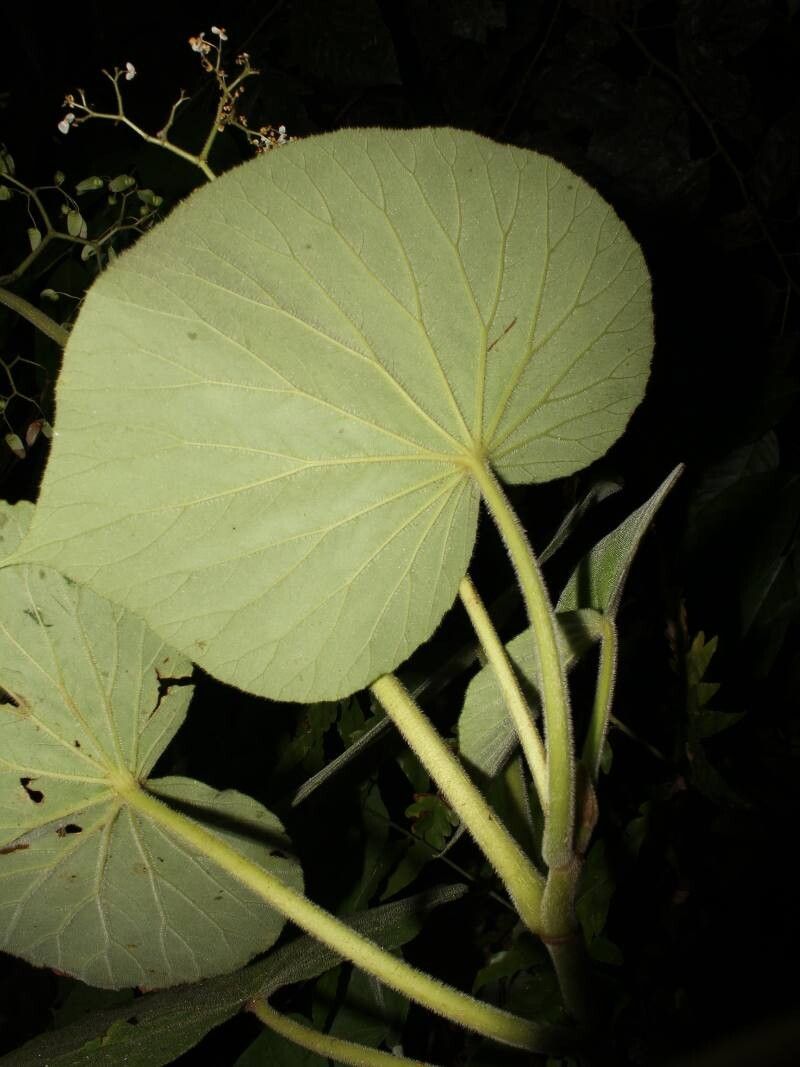
Propagating Begonia corredorana: A Gardener’s Guide
Begonia corredorana, while lacking a widely-used common name, is a highly prized begonia among collectors and enthusiasts. Its distinctive, often cascading habit, coupled with its attractive foliage (ranging from deep greens to reds and bronzes depending on the cultivar) and delicate flowers, makes it a desirable addition to any collection. Its relative rarity, however, makes propagation a significant undertaking. This guide explores various methods, outlining their challenges and rewards.
Seed Germination:
Currently, there are no known reliable methods for seed germination propagation of Begonia corredorana. While Begonia species are generally capable of seed production, the successful germination of Begonia corredorana seeds remains largely undocumented, suggesting potential difficulties related to seed viability, dormancy mechanisms, or specific environmental requirements yet to be discovered.
Cuttings:
This is the most commonly used and reliable method for propagating Begonia corredorana.
Challenges: While successful, rooting can be somewhat slow, and stem cuttings are susceptible to rotting if not properly prepared and maintained.
Practical Tips: Take stem cuttings of approximately 4-6 inches long, ensuring each cutting has at least two nodes. Remove lower leaves, dip the cut end in rooting hormone, and plant in a well-draining, moist propagation mix (e.g., a blend of perlite and peat moss). Maintain high humidity (using a propagator or covering with a clear plastic bag) and warm temperatures (around 70-75°F). Avoid overwatering.
- Rewards: Cuttings offer a relatively straightforward method to quickly increase the number of plants, preserving the characteristics of the mother plant.
Division:
Division is a viable method, though its feasibility is dependent on the size and maturity of the parent plant.
Challenges: Begonia corredorana doesn’t always readily form large clumps suitable for division. Improper division can damage the plant, leading to losses.
Practical Tips: Carefully examine the plant to identify distinct growth points or rhizomes. Use a sharp, clean knife or garden shears to divide the plant into sections, ensuring each section has healthy roots and shoots. Replant each division immediately in fresh, well-draining potting mix.
- Rewards: Division offers a rapid increase in plant numbers, particularly useful for larger, established plants. It also minimizes the risk of introducing diseases compared to other methods.
Tissue Culture:
This method, while potentially offering large-scale propagation, requires specialized equipment and expertise.
Challenges: Tissue culture necessitates a sterile environment, specialized media, and a thorough understanding of plant tissue culture techniques. It’s generally more expensive and labor-intensive than other methods.
Practical Tips: This method requires aseptic techniques and sterile laboratory conditions. Explants (small pieces of plant tissue) are cultured in a nutrient-rich medium under controlled environmental conditions.
- Rewards: Tissue culture allows for mass propagation of genetically identical plants (clones), efficient disease elimination, and the possibility of producing a large number of plants from a small amount of starting material.
Conclusion:
Propagating Begonia corredorana presents challenges across all methods, but the rewards are significant. Cuttings offer the most accessible and reliable approach for the home propagator, while division presents a viable alternative for established plants. While seed propagation and tissue culture hold potential, further research is needed to refine these techniques for Begonia corredorana. The satisfaction of witnessing a small cutting grow into a flourishing plant, or successfully dividing a treasured specimen, is a testament to patience and horticultural skill. For aspiring propagators, persevere—the unique beauty of Begonia corredorana makes the effort worthwhile.