
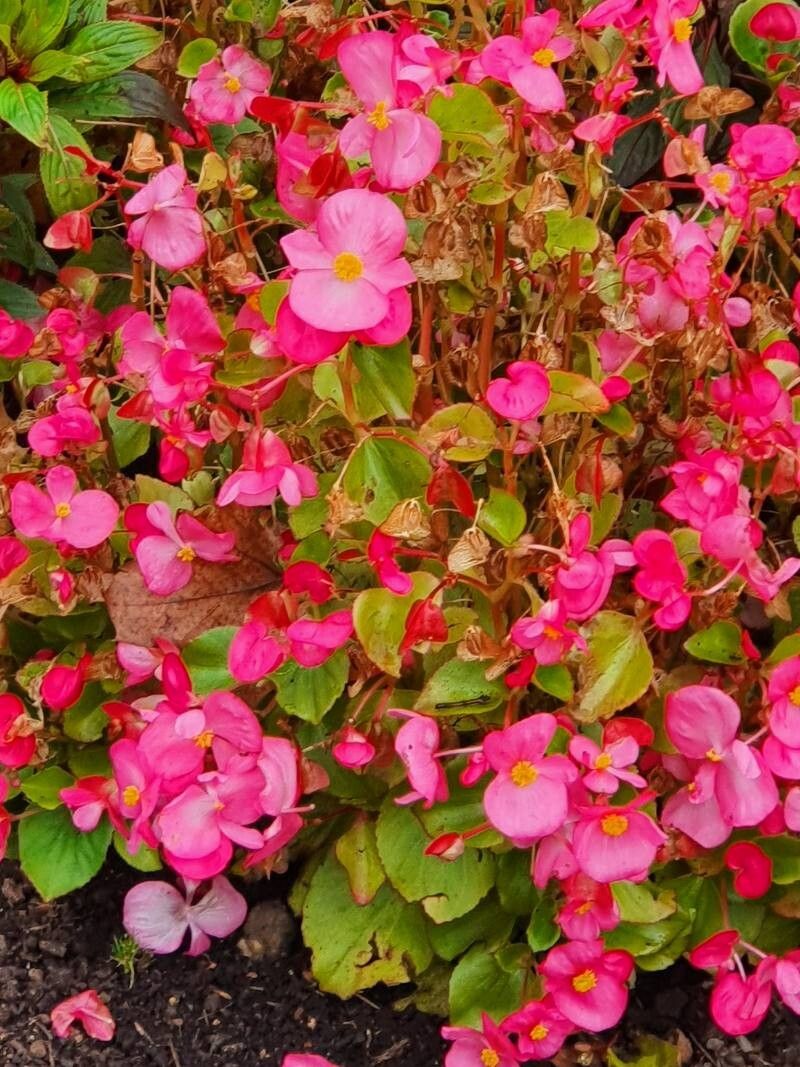
Propagating the Hardy Begonia: Unveiling the Secrets of Begonia cucullata
Begonia cucullata, also known as the hooded begonia or the clamshell begonia, is a charming and resilient species prized for its heart-shaped, hooded leaves and delicate, often pink, flowers. Its adaptability and ease of care contribute to its popularity among both seasoned gardeners and beginners. While fairly easy to cultivate, propagating Begonia cucullata presents unique challenges and rewards depending on the chosen method. Its prolific nature and ease of propagation by certain methods make it a rewarding plant to multiply.
Seed Germination:
Currently, there are no known reliable methods for seed germination propagation of Begonia cucullata. While the plant does produce seeds, germination rates are notoriously low and inconsistent, making this method impractical for most home gardeners. Further research into specific seed treatment protocols might yield improved results in the future.
Cuttings:
Cuttings offer a far more reliable method of propagating Begonia cucullata.
Challenges: While relatively straightforward, success depends on proper technique and environmental conditions. Rotting due to overly moist conditions is a common problem.
Practical Tips: Take stem cuttings, ideally 4-6 inches long, from healthy, actively growing stems. Remove lower leaves to prevent rotting. Dip the cut end in rooting hormone before planting in a well-draining, moist potting mix (a mix of perlite and peat is ideal). Maintain high humidity (using a humidity dome or plastic bag) and consistent moisture, avoiding overwatering. Place cuttings in bright, indirect sunlight. Rooting typically takes 3-4 weeks.
Rewards: Cuttings provide a quick and efficient way to produce multiple plants that are genetically identical to the parent plant. This is ideal for preserving desirable traits.
Division:
Division is another effective method for increasing your Begonia cucullata collection.
Challenges: This method is most effective when the plant is already well-established and relatively large. Care must be taken to avoid damaging the roots during the separation process.
Practical Tips: Carefully remove the plant from its pot. Gently tease apart the rhizomes, ensuring each division has a healthy portion of roots and several stems. Plant each division in its own pot, using a well-draining potting mix. Water gently and keep the plants in a shaded location until they have re-established themselves.
Rewards: Division is a relatively simple method that produces quick results. The plants usually establish themselves rapidly.
Tissue Culture:
Tissue culture offers the potential for large-scale propagation and the elimination of diseases.
Challenges: Tissue culture requires specialized equipment, a sterile environment, and a thorough understanding of plant tissue culture techniques. It’s generally not a feasible method for home gardeners.
Practical Tips: This method requires a controlled laboratory setting with access to sterile media, growth regulators, and appropriate incubation facilities. This is a process best left to commercial nurseries or experienced plant tissue culture laboratories.
Rewards: This method allows for mass production of disease-free plants and rapid multiplication, especially beneficial for commercial purposes.
Conclusion:
Propagating Begonia cucullata presents a range of options each with its own set of challenges and rewards. While seed germination is currently not a practical approach, cuttings and division offer reliable methods for home propagation. Tissue culture represents a highly efficient but specialized technique. The unique satisfaction of successfully propagating this charming plant, especially through the more challenging methods like cuttings, is matched only by the joy of watching these new plants flourish. The perseverance required to overcome these challenges ultimately enriches the gardening experience and deepens the appreciation for the plant’s resilience and beauty. Aspiring propagators are encouraged to start with the easily accessible methods of cuttings and division, gradually building their skills and confidence to explore further options as they gain experience.