
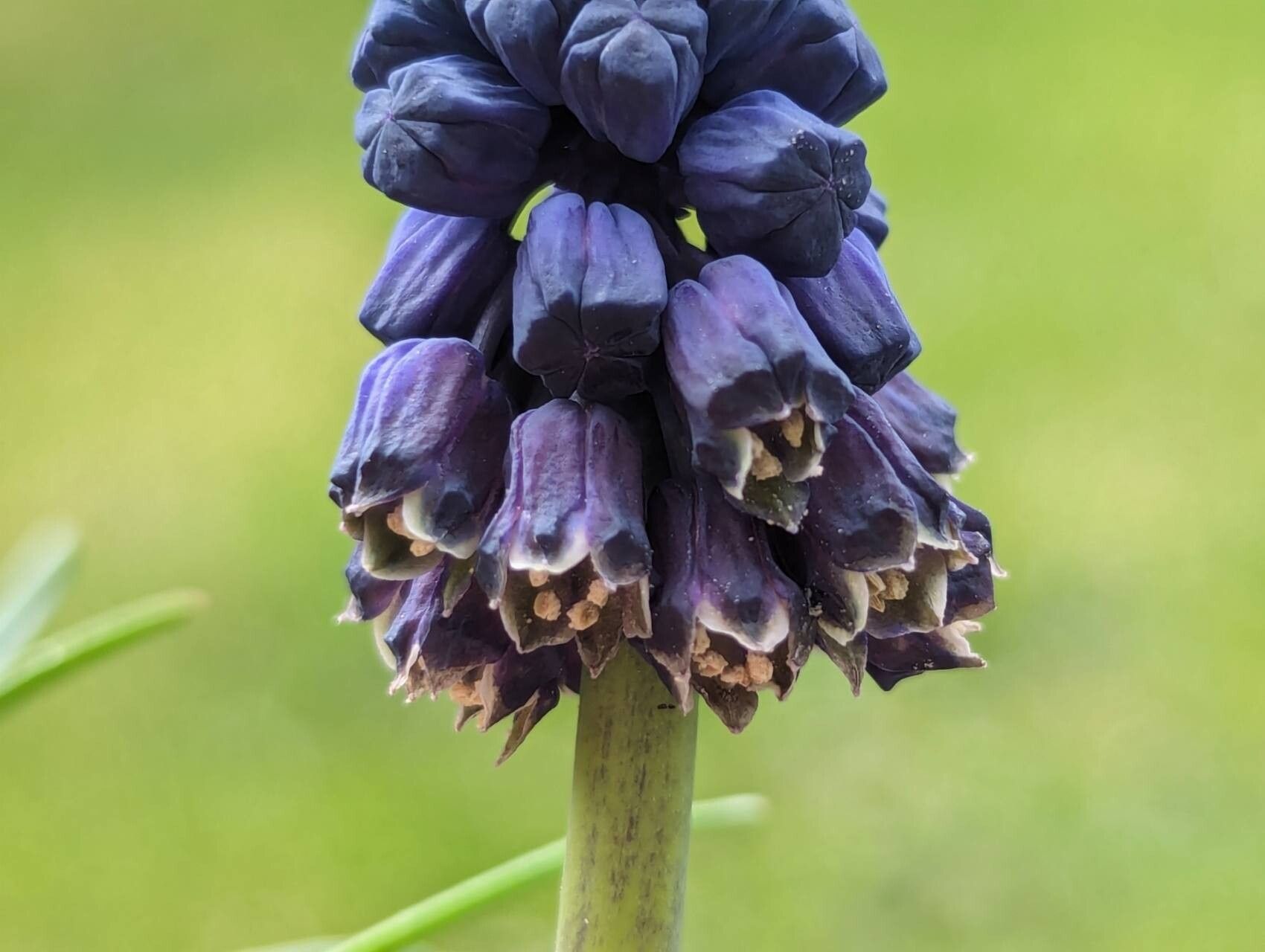
Propagating Bellevalia paradoxa: A Gardener’s Guide to the "Grape Hyacinth"
Bellevalia paradoxa, commonly known as the Anatolian Bellevalia or (somewhat misleadingly as it’s not a true grape hyacinth) a type of grape hyacinth, is a charming bulbous plant prized for its pendulous, bell-shaped flowers that bloom in shades of blue, purple, and sometimes white. Its relatively easy cultivation and striking appearance have made it a popular choice among gardeners, particularly those seeking hardy and low-maintenance spring bloomers. However, propagating this beauty presents unique challenges. Understanding these challenges and the various propagation methods is key to success.
Seed Germination:
Currently, there are no known reliable methods for seed germination propagation of Bellevalia paradoxa. While seeds may be produced, germination rates are exceptionally low, likely due to complex dormancy requirements yet to be fully understood by horticulturalists. Further research is needed to determine if specific pre-treatments, like cold stratification or scarification, could improve germination success.
Cuttings:
Cuttings are not a viable method for propagating Bellevalia paradoxa. Being a bulbous plant, it does not readily produce adventitious roots from stem or leaf cuttings.
Division:
Division is the most reliable method for propagating Bellevalia paradoxa. It involves carefully separating the bulb offsets (or "bulblets") from the main bulb during dormancy (typically summer).
Challenges: The main challenge lies in carefully handling the delicate bulbs and offsets to avoid damage. Overcrowding can also negatively impact the vigor of the divided plants.
Practical Tips: The best time to divide is when the foliage has completely died back. Gently dig up the mature plant, carefully separating the offsets with a sharp, clean tool. Replant the offsets immediately in well-drained soil, ensuring adequate spacing to prevent crowding.
Rewards: Division offers a relatively straightforward way to increase your stock of Bellevalia paradoxa quickly, creating genetically identical plants that will reliably exhibit the same characteristics as the parent plant.
Tissue Culture:
Tissue culture, while potentially effective, is a highly specialized technique requiring specialized equipment, sterile conditions, and expertise in plant tissue culture methodologies. It’s not a practical method for the average home gardener.
Challenges: Establishing a sterile culture and selecting the appropriate media and growth regulators for successful propagation of Bellevalia paradoxa would require extensive experimentation and resources.
Practical Tips: This method is best left to professional labs or experienced tissue culture practitioners.
Rewards: Tissue culture offers the potential for mass propagation of elite clones and disease-free stock.
Conclusion:
Propagating Bellevalia paradoxa presents distinct challenges, with division emerging as the most practical method for the average gardener. While seed germination and tissue culture remain largely unexplored avenues, the satisfaction of successfully propagating this lovely plant through division is substantial. Mastering this technique, and patiently nurturing the resulting offsets, yields rich rewards – a flourishing patch of graceful, bell-shaped blooms. While the process may require a gentle touch and careful attention, the vibrant spectacle of Bellevalia paradoxa in full bloom makes the effort undeniably worthwhile. Don’t be discouraged by the challenges; embrace the journey and celebrate each new blossom as a testament to your gardening dedication.