
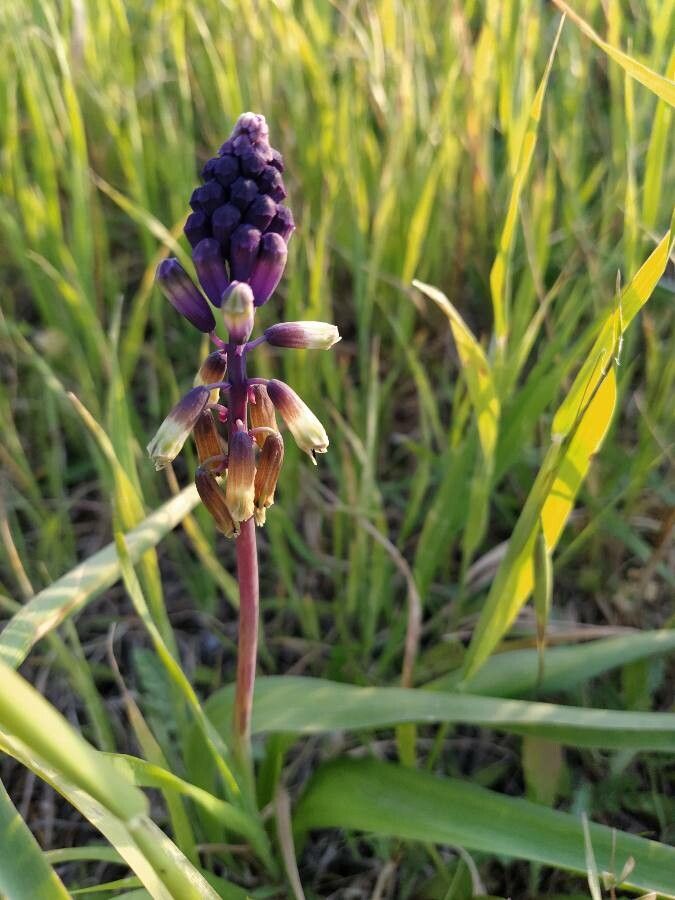
Propagating Bellevalia trifoliata: A Gardener’s Guide to the Grape Hyacinth
Introduction:
Bellevalia trifoliata, often known as the three-leaved Bellevalia, is a charming bulbous perennial prized for its graceful, nodding, bell-shaped flowers that bloom in spring. These flowers, typically a vibrant blue-purple but sometimes white or pale pink, appear atop slender stems rising from basal leaves, creating an elegant display in the garden. While not as ubiquitous as some other spring-blooming bulbs, its delicate beauty and relative ease of cultivation (once established) have earned it a growing following among gardeners. However, propagating Bellevalia trifoliata presents unique challenges compared to more common bulb species.
Seed Germination:
Currently, there are no known reliable methods for seed germination propagation of Bellevalia trifoliata. While seed production does occur, germination rates are notoriously low, and success is largely unpredictable even with specialist techniques. The reasons for this poor germination are not fully understood, but likely involve factors like dormancy and embryo immaturity.
Cuttings:
Cuttings are not a viable method for propagating Bellevalia trifoliata. As a bulbous plant, it lacks the necessary meristematic tissue suitable for successful vegetative propagation from cuttings.
Division:
Division is the most reliable method for propagating Bellevalia trifoliata. This involves carefully separating the bulb clusters formed by offset bulbs that develop around the mature parent bulb. The challenge lies in the delicate nature of the bulbs and their relatively slow rate of offset production.
Challenges: Damaging the bulbs during separation is a significant risk. Successfully dividing the clumps requires patience and a gentle hand, which can lead to a smaller number of propagating units than initially hoped.
Practical Tips: Divide the bulbs after the foliage has died back in late summer or early autumn. Use a sharp knife or trowel to carefully separate the offsets, ensuring each offset has some root material attached. Replant the offsets immediately in well-drained soil at the same depth they were originally planted.
- Rewards: Division offers a relatively straightforward method for increasing existing stocks. While not producing large numbers of plants rapidly, this method ensures true-to-type propagation, preserving the characteristics of the parent plant.
Tissue Culture:
Tissue culture offers a potential, albeit technically demanding, method for propagating Bellevalia trifoliata.
Challenges: Establishing sterile culture conditions and developing appropriate media formulations specific to this species requires specialized laboratory equipment and expertise. The process is time-consuming, expensive, and requires careful monitoring to avoid contamination.
Practical Tips: This method is generally best suited to research institutions or commercial nurseries with the necessary resources. Specific protocols would need to be developed through experimentation to determine optimal growth conditions and media components.
- Rewards: Tissue culture offers the possibility of large-scale propagation, producing a substantial number of identical plants from a single parent plant. It also provides an avenue for conserving rare or threatened varieties.
Conclusion:
Propagating Bellevalia trifoliata presents several challenges, with division proving the most accessible and reliable method for the average gardener. While seed germination and tissue culture remain largely unproven for home propagation, the rewards of successfully cultivating this beautiful plant make the effort worthwhile. The satisfying accomplishment of seeing these delicate blooms emerge from bulbs you’ve painstakingly propagated fosters a deeper connection with the natural world. For aspiring propagators, starting with division and patiently building up your stock is a rewarding path to enjoying the beauty of Bellevalia trifoliata year after year. Embrace the challenges, and the delicate blossoms will be a testament to your perseverance.