
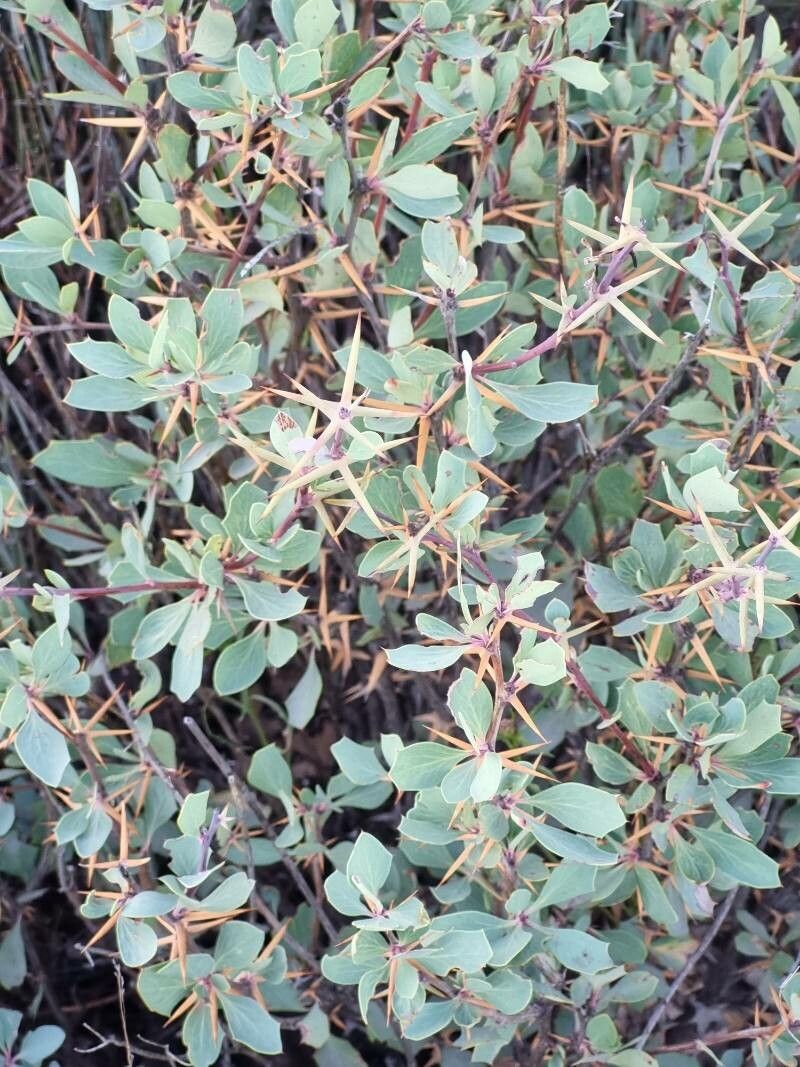
Propagating the Crimson Barberry: A Guide to Berberis actinacantha
Introduction:
Berberis actinacantha, commonly known as the Crimson Barberry, is a strikingly beautiful shrub prized for its vibrant crimson spines, attractive foliage, and attractive, albeit small, yellow flowers followed by bluish-black berries. While its visual appeal makes it a popular choice for ornamental gardening, propagating this species can present unique challenges. Its slow growth and relatively low seed viability compared to other Berberis species makes understanding proper propagation techniques crucial for successful cultivation. Many gardeners find the challenge of propagation part of the reward of working with this unique plant.
Seed Germination:
Seed germination for Berberis actinacantha is possible but notoriously difficult and unreliable. The seeds possess a hard seed coat, requiring stratification to break dormancy.
Challenges: Low germination rates are common, even with stratification. Seeds often take several months, sometimes up to a year or more, to germinate.
Tips: Successful germination often involves a period of cold stratification (3-4 months at temperatures near 0-4°C), followed by warm stratification (1-2 months at 20-25°C). Sow stratified seeds in a well-draining seed starting mix, keeping them consistently moist but not waterlogged. Germination typically occurs within several weeks of the warm stratification period. A small greenhouse or propagator will aid in maintaining consistent environments.
Rewards: While challenging, successfully germinating Berberis actinacantha seeds offers the rewards of significant genetic diversity compared to other propagation methods. This is particularly important for long-term preservation of unique cultivars and varieties.
Cuttings:
Propagating Berberis actinacantha via cuttings holds a significantly higher success rate than seed germination.
Challenges: The most challenging aspect of cuttings is ensuring sufficient humidity and preventing rot. Hardwood cuttings can be trickier than semi-hardwood or softwood.
Tips: Semi-hardwood cuttings taken in late summer or early autumn, approximately 10-15 cm long, have a good success rate. Dip the base of the cutting in a rooting hormone powder before planting in a well-draining, moist propagation mix. High humidity, provided via a cloche or propagator, is essential. Bottom heat can also accelerate root development. A root system usually forms in a few months.
Rewards: Cuttings offer a faster and more reliable method of propagation compared to growing from seed. They produce genetically identical plants to the parent plant, preserving desirable traits.
Division:
Division is generally not recommended for Berberis actinacantha. This species usually grows as a single or multi-stemmed shrub and lacks the readily separable root systems suitable for division in other shrubs. Attempts at division are more likely to result in the damage or death of the plant than successful propagation.
Tissue Culture:
Tissue culture offers the possibility of large-scale propagation of Berberis actinacantha, although it requires specialized equipment and expertise within a sterile environment.
Challenges: Establishing aseptic cultures requires careful preparation and aseptic technique and there may be challenges inducing shoot multiplication or root formation.
Tips: This method needs a lab setting with specialized equipment. This advanced level propagation is beyond the scope of the average home gardener.
Rewards: Tissue culture provides the capacity for rapid and large-scale propagation, facilitating the production of many genetically identical plants from a small amount of starting material. This propagation is ideal for commercial production and the preservation of rare cultivars.
Conclusion:
Propagating Berberis actinacantha presents unique challenges across all methods. While seed germination offers genetic diversity but is slow and unreliable, cuttings provide a more reliable, yet still time-consuming option. Division is generally impractical. Tissue culture, though capable of mass propagation, is highly specialized. The rewards of successfully propagating this beautiful shrub, however, are significant. The satisfaction derived from nurturing a tiny cutting into a vibrant, spiny shrub, or coaxing life from a seemingly dormant seed, surpasses any momentary frustration. For those keen to embark on this rewarding journey, patience, attention to detail, and a willingness to experiment are key ingredients for success. Start with cuttings and be persistent. The beauty of your Crimson Barberry will be worth the effort.