
Conquering Mount Etna From Your Backyard: Propagating the Hardy Berberis Aetnensis
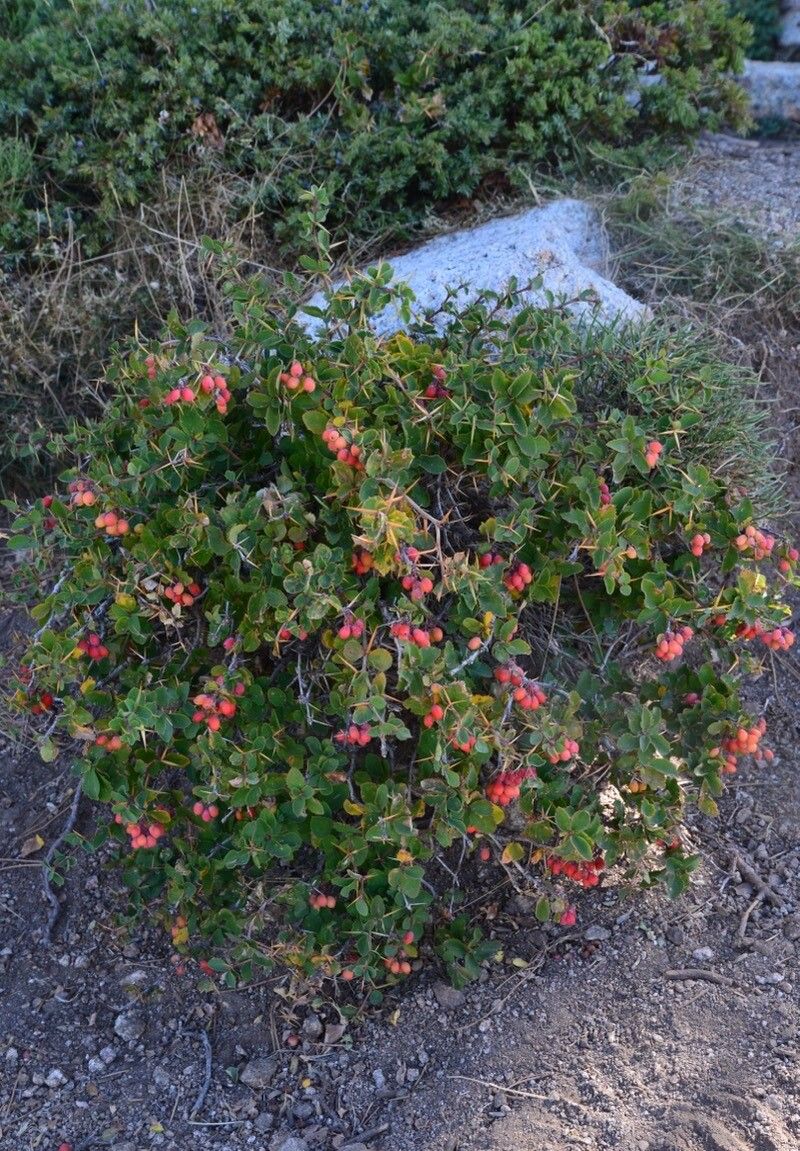
The Berberis aetnensis, also known as the Mount Etna Barberry, is a resilient shrub with a fascinating origin story. Hailing from the volcanic slopes of Mount Etna in Sicily, this plant boasts striking, thorny foliage that transitions from vibrant green to fiery red in the fall. Its resilience in harsh environments makes it a fantastic addition to gardens across a range of climates.
While acquiring a Berberis aetnensis from a nursery is always an option, why not embark on the rewarding journey of propagation? This plant generously offers multiple pathways to multiply your collection and share its unique beauty.
Let’s delve into three common methods for propagating your very own Berberis aetnensis:
1. Seed Propagation: A Test of Patience
Propagating from seed offers the thrill of witnessing a plant’s entire life cycle. However, patience is key with this method as it requires more time and dedication. Here’s how to do it:
- Seed Collection: Harvest ripe berries in the fall, extract the seeds, and clean off any remaining fruit pulp.
- Stratification (Mimicking Winter): Berberis aetnensis seeds require a period of cold stratification to break dormancy. Mix the seeds with moist vermiculite or sand, seal in a plastic bag, and refrigerate for 2-3 months.
- Sowing: In spring, sow the stratified seeds in a seed-starting mix, covering them lightly with soil. Maintain consistent moisture and warmth.
- Germination: Be patient, as germination can take several weeks to a few months.
- Transplanting: Once seedlings have a few sets of true leaves, transplant them to individual pots or your garden.
2. Semi-Hardwood Cuttings: A Quicker Route to Success
For a faster approach with higher success rates, try semi-hardwood cuttings:
- Timing is Key: Take cuttings in late summer when the new growth has started to harden slightly.
- Cut & Prepare: Choose healthy stems and make a clean cut just below a leaf node. Remove lower leaves, leaving a few at the top.
- Hormone Boost: Dip the cut end in rooting hormone powder to encourage root development.
- Planting: Plant the cuttings in a well-draining potting mix, burying a few nodes below the soil.
- Humidity Control: Cover the cuttings with a plastic bag or humidity dome to create a warm, moist environment.
- Root Development: After several weeks, gently tug on the cuttings to check for resistance, signaling root growth.
- Transplanting: Once rooted, transplant the cuttings to larger pots or their permanent location.
3. Layering: A Natural Approach
Layering leverages the plant’s natural ability to develop roots from a buried stem:
- Choose a Branch: Select a low-growing, flexible branch.
- Wound & Bury: Make a small wound on the underside of the branch, dust it with rooting hormone, and bury that section in the soil, leaving the tip exposed.
- Secure & Wait: Secure the buried section with a rock or landscape pin. Keep the soil consistently moist.
- Root Formation: After several months, check for root formation.
- Separation: Once rooted, carefully sever the new plant from the parent and transplant it.
Cultivating Your Volcanic Beauty:
Regardless of your chosen propagation method, Berberis aetnensis thrives in well-drained soil and full sun to partial shade. Once established, this drought-tolerant shrub requires minimal watering. Regular pruning helps maintain its shape and encourages bushier growth.
Propagating your own Berberis aetnensis is a rewarding experience that connects you to the resilience and beauty of this volcanic survivor. Whether you choose the patience of seeds, the efficiency of cuttings, or the simplicity of layering, you’ll be rewarded with a stunning addition to your garden. So, embrace the challenge and witness the captivating transformation of the Mount Etna Barberry!