
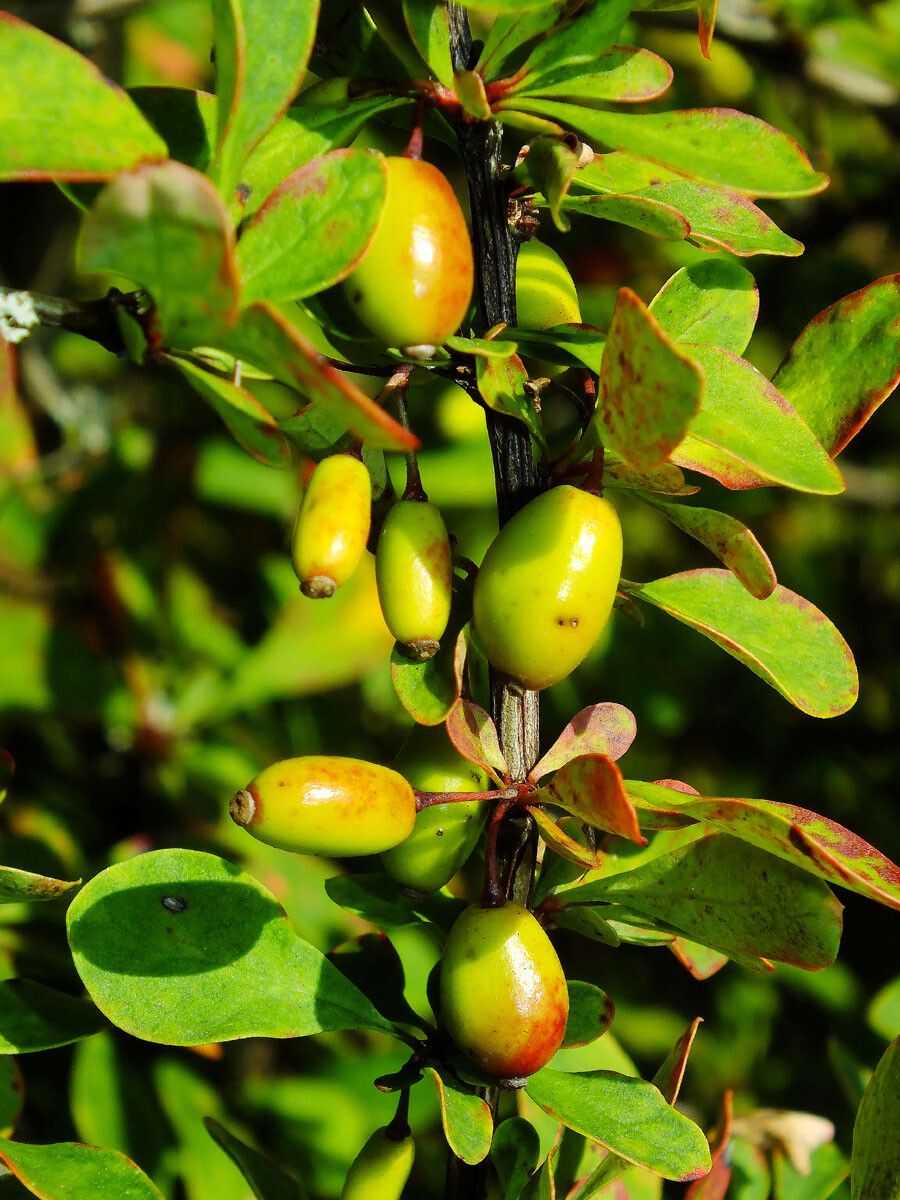
Propagating Amur Barberry (Berberis amurensis): A Gardener’s Guide
Introduction:
Berberis amurensis, commonly known as Amur barberry, is a deciduous shrub prized for its striking autumn foliage, vibrant yellow flowers, and attractive blue-black berries. Its adaptability to various soil types and its tolerance of harsh conditions make it a popular choice among gardeners, particularly those seeking hardy and low-maintenance landscaping options. However, its propagation can present some unique challenges. While several methods exist, each offers a different level of complexity and success rate. This article explores various propagation techniques for Amur barberry, highlighting both the rewards and the hurdles involved.
Seed Germination:
Seed germination for Berberis amurensis is possible, but it is not straightforward and presents significant challenges. The seeds exhibit dormancy, requiring a period of stratification to break this dormancy and encourage germination.
Challenges: The hard seed coat inhibits water uptake, and the embryo requires a period of cold temperatures to initiate germination. Germination rates can be low, and the process can be slow, often taking several months.
Practical Tips: Seeds should be collected in the fall when ripe and cleaned of pulp. Stratification is crucial; mix the seeds with moist peat moss or vermiculite and store them in a refrigerator at approximately 35-40°F (2-4°C) for 3-4 months. After stratification, sow the seeds in a well-draining seed-starting mix, keeping the soil consistently moist but not waterlogged. Germination may still be inconsistent, with some seeds taking longer than others.
Rewards: Successfully germinated seeds offer genetic diversity, potentially leading to a wider range of characteristics within the propagated plants. This method also holds the potential for large-scale propagation if germination rates are optimized.
Cuttings:
Propagating Amur barberry from cuttings is a relatively more successful method than seed propagation.
Challenges: While hardwood cuttings tend to be more successful, the rooting process can still be slow. Successful rooting relies heavily on providing the right environmental conditions, including humidity and temperature.
Practical Tips: Take semi-hardwood cuttings in late spring or early summer from the current year’s growth. Remove lower leaves and dip the cut ends in rooting hormone before planting in a well-draining rooting mix. Maintain high humidity using a propagator or humidity dome. Consistent moisture and warmth are crucial for success.
Rewards: Cuttings offer a faster propagation method than seed germination, allowing for quicker establishment of new plants. They also ensure that the resulting plants are genetically identical to the parent plant.
Division:
Dividing established Amur barberry plants is another propagative method.
Challenges: This method is only suitable for mature plants and can potentially damage the parent plant if not done carefully. The process is less efficient than cuttings for the number of plants produced.
Practical Tips: Divide plants in early spring or fall. Dig up the mature plant carefully and separate it into smaller sections, each with its own root system. Replant the divisions immediately and water well. It could take the divisions some time to fully recover.
Rewards: Division provides a fairly rapid way to increase the number of plants, particularly useful when dealing with already established plants. It is a less labour-intensive method compared to cuttings or seed germination, assuming the size and health of the parent plant allow for manageable division.
Tissue Culture:
Tissue culture is a highly specialized method for propagating Berberis amurensis.
Challenges: This technique requires a sterile laboratory environment, specialized equipment, and specialized knowledge/expertise. It is generally not feasible for the home gardener.
Practical Tips: Only professionals with the necessary equipment and training can undertake this method of propagation.
Rewards: Tissue culture offers the potential for mass propagation with genetically homogenous plants, free from disease. However, the initial setup cost, maintenance, and specialized knowledge required outweigh the advantages for most individuals and home gardeners.
Conclusion:
Propagating Amur barberry presents a range of challenges depending on the chosen method. Seed germination, though offering genetic diversity, is slow and requires considerable patience. Cuttings present a more reliable and faster method for the average gardener. Division is an option for mature plants but limits the number of new plants and needs careful execution. Tissue culture is out of reach for most but offers high-volume, healthy plant outputs.
The unique satisfaction derived from propagating Amur barberry lies in overcoming these obstacles. Witnessing the emergence of a tiny seedling from a stratified seed or the rooting of a cutting is a rewarding experience that underscores the connection between gardener and plant. Whether you choose to propagate from seed, cuttings, or division, remember that patience and attention to detail are key to success. Embrace the challenges, celebrate the small victories, and revel in the beauty of your successfully propagated Amur barbarries.