
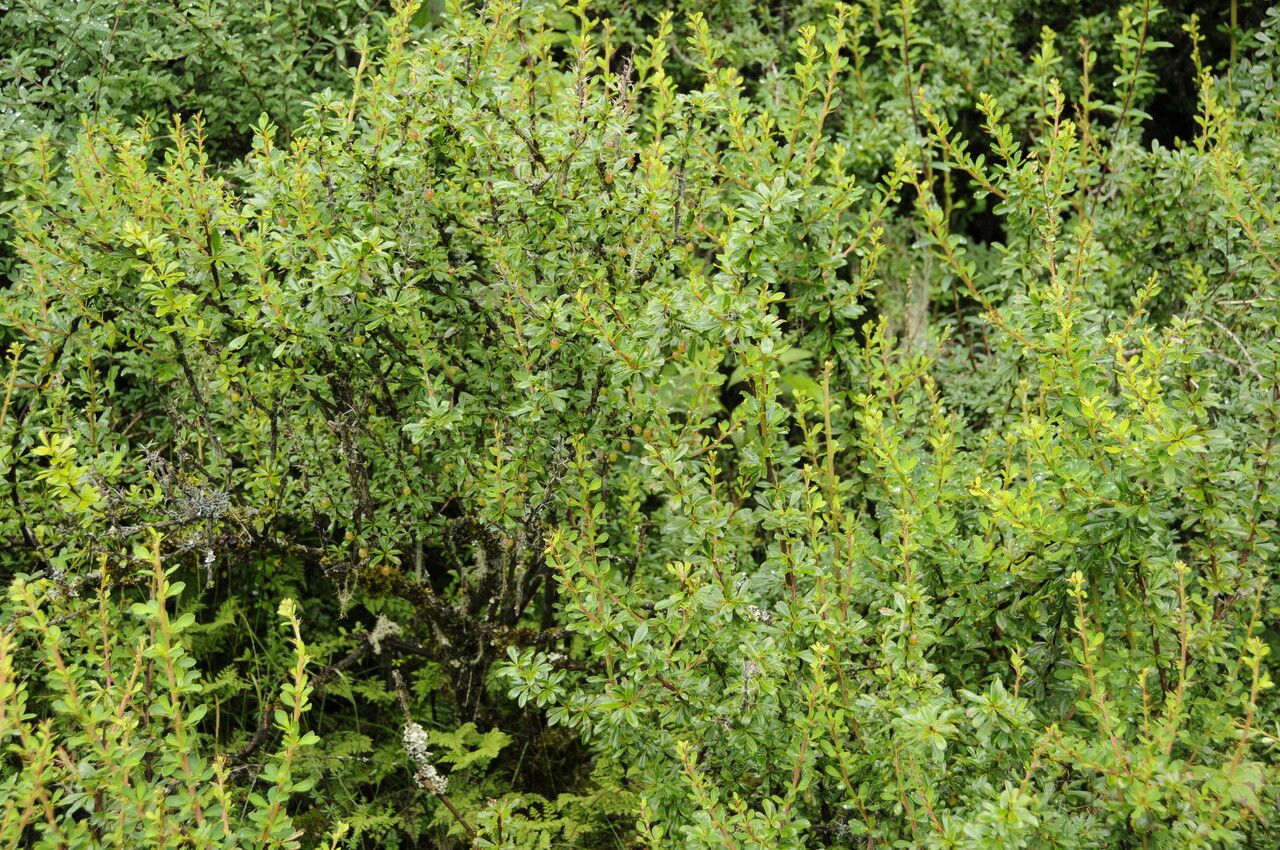
Propagating Berberis angulosa: A Gardener’s Guide to the Prickly Beauty
Berberis angulosa, also known as the angled barberry or prickly barberry, is a captivating shrub prized for its spiny branches, vibrant foliage, and delicate yellow flowers that give way to attractive berries. Its dense, thorny habit makes it excellent for hedging and wildlife habitat, while its striking appearance enhances garden aesthetics. While relatively easy to maintain once established, propagating Berberis angulosa can present some unique challenges, making the achievement particularly rewarding for dedicated gardeners.
Seed Germination:
Currently, there are no known reliable methods for seed germination propagation of Berberis angulosa. While seeds are produced, germination rates are notoriously low, and even with pre-treatment like stratification (a period of cold, moist storage to break dormancy), success remains unpredictable. The challenges stem likely from a combination of factors including seed dormancy mechanisms and possibly low viability even in fresh seed. Therefore, gardeners should explore alternative propagation methods.
Cuttings:
Cuttings present a more reliable method for propagating Berberis angulosa. However, success hinges on meticulous technique and proper timing.
Challenges: Berberis angulosa cuttings can be slow to root, requiring patience and attention to detail. The use of rooting hormone is strongly recommended. Timing is crucial; taking cuttings in late summer or early autumn from semi-hardwood growth offers the best chances of success.
Practical Tips: Take 4-6 inch long cuttings from new growth, removing the lower leaves. Dip the cut end in rooting hormone powder before planting into a well-draining mix of peat moss and perlite. Maintain a consistently moist (but not waterlogged) environment, ideally within a propagator or under a plastic covering to retain humidity. Consistent bottom heat can also improve rooting success.
- Rewards: Cuttings offer a relatively straightforward method for creating genetically identical copies of a desirable mother plant, preserving specific traits such as leaf color or berry production. This method is suitable for small-scale propagation.
Division:
Division is a viable option for propagating Berberis angulosa, particularly if you have a mature, well-established plant.
Challenges: Dividing Berberis angulosa requires care due to its thorny nature. It’s essential to use protective gloves and tools, and it is advisable to divide the plant during its dormant period (late autumn or early spring) for better success.
Practical Tips: Dig up the entire plant carefully, being mindful not to damage the root system. Use a sharp, clean spade or knife to divide the root ball into smaller sections, ensuring each division has at least some healthy roots and shoots. Replant the divisions immediately, providing ample space for growth.
- Rewards: Division offers a faster method of propagation than cuttings, yielding multiple plants quickly. It is particularly useful for multiplying a prized specimen without needing specialized equipment.
Tissue Culture:
Tissue culture is another highly successful propagation method for Berberis angulosa, however, it requires specialized equipment, a sterile environment and a good understanding of plant tissue culture techniques.
Challenges: This method necessitates significant investment in equipment and materials and demands a high level of technical expertise. Sterility is critical to prevent contamination.
Practical Tips: This method involves placing small pieces of plant tissue on a nutrient-rich agar medium within a closed, sterile container. Under the appropriate environmental conditions, the plant tissue will regenerate into plantlets, which can then be transplanted.
- Rewards: Tissue culture is an effective way for large-scale propagation and disease-free plants. It can overcome obstacles in seed germination and allows for rapid multiplication of superior germplasm.
Conclusion:
Propagating Berberis angulosa presents a range of challenges, varying in complexity and expertise required across methods. While seed germination proves unreliable, cuttings and division offer achievable methods for the home gardener, with tissue culture providing a more advanced and scalable approach. The thorny nature of the plant adds a layer of caution to the process, but the rewards – the satisfaction of nurturing a resilient, beautiful plant from a cutting or division, or the efficient production through tissue culture – make the effort worthwhile. The perseverance needed underscores the unique connection gardeners build with the plants they successfully cultivate. So, armed with this knowledge, and a healthy dose of patience, embark on your propagation journey; the prickly beauty of Berberis angulosa awaits!