
Unlocking the Secrets of Oregon Grape Propagation: Grow Your Own Vibrant Garden Gem
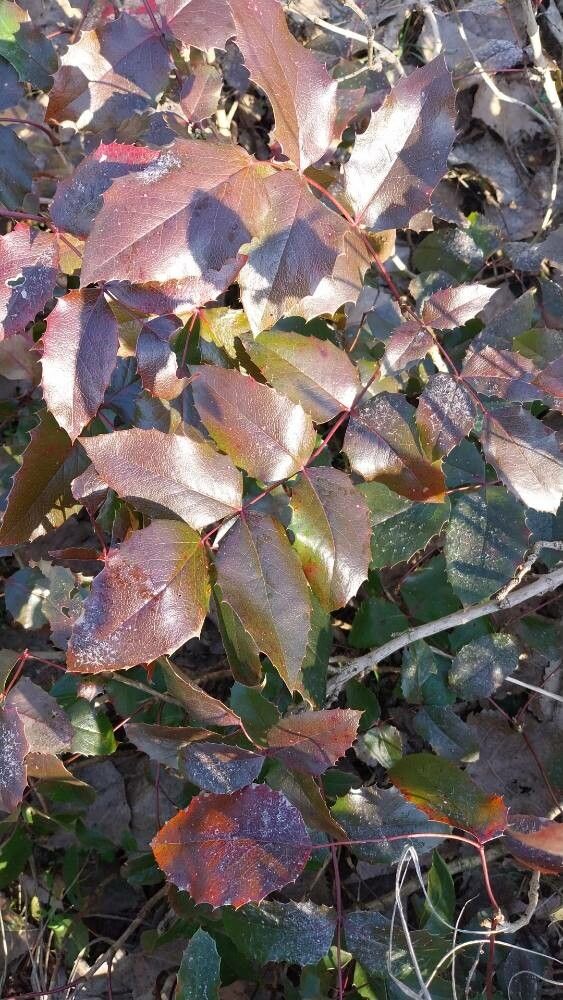
Oregon grape (Berberis aquifolium, formerly Mahonia aquifolium), with its glossy evergreen leaves, cheerful yellow flowers, and tart blue berries, is a Pacific Northwest native that adds year-round interest to any garden. Whether you desire a lush hedge, a vibrant splash of color, or simply want to multiply your existing plants, propagating Oregon grape is a rewarding endeavor. Let’s delve into the methods that will help you grow more of this gorgeous and versatile shrub.
Method 1: Seed Propagation – A Journey of Patience
While slightly more time-consuming, growing Oregon grape from seed allows you to experience the full cycle of plant life.
- Harvesting Seeds: Collect ripe berries in late summer or early fall. Extract the seeds, rinse off any pulp, and allow them to dry thoroughly.
- Stratification: Oregon grape seeds require a period of cold treatment to break dormancy. Mix the seeds with moist sand or peat moss, seal them in a plastic bag, and store them in the refrigerator for 2-3 months.
- Sowing: In spring, sow the stratified seeds in a seed tray filled with well-draining seed-starting mix. Cover them lightly with soil and mist to keep the medium consistently moist.
- Transplanting: Once the seedlings develop a few sets of true leaves and are large enough to handle, transplant them into individual pots or directly into the garden.
Method 2: Semi-Hardwood Cuttings – A Faster Route to Success
For quicker results and to maintain the characteristics of a specific cultivar, semi-hardwood cuttings are the way to go.
- Timing is Key: The optimal time for taking semi-hardwood cuttings is in late summer or early fall when the new growth has started to harden slightly.
- Taking Cuttings: Choose healthy, non-flowering stems. Using a sharp, sterilized pruning shears or knife, cut 4-6 inch sections just below a leaf node.
- Preparing the Cuttings: Remove the lower leaves from the cutting, leaving 2-3 pairs at the top. Wound the base of the cutting by making a small cut or scraping the bark to encourage root development.
- Planting and Care: Dip the base of the cutting in rooting hormone (optional but helpful). Plant the cuttings in a well-draining potting mix, burying at least two nodes. Water thoroughly and provide bottom heat to encourage rooting.
- Transplanting: Once the cuttings have developed a robust root system, typically after 6-8 weeks, transplant them to larger pots or their permanent location in the garden.
Tips for Success:
- Well-Drained Soil: Oregon grape thrives in well-drained soil. Amend heavy clay soil with compost or other organic matter before planting.
- Sunlight Requirements: While adaptable to different light conditions, Oregon grape generally prefers partial shade, especially in hotter climates.
- Watering: Water deeply and regularly, especially during the first year after planting. Once established, Oregon grape is relatively drought-tolerant.
- Patience is a Virtue: Propagation, regardless of the method, requires patience. Be attentive to your plants’ needs and celebrate each milestone along the way.
By following these propagation techniques, you can easily multiply your Oregon grape plants and enjoy their beauty for years to come. Whether you choose the patient path of seeds or the quicker method of cuttings, the rewards of growing this hardy and stunning native are well worth the effort.