
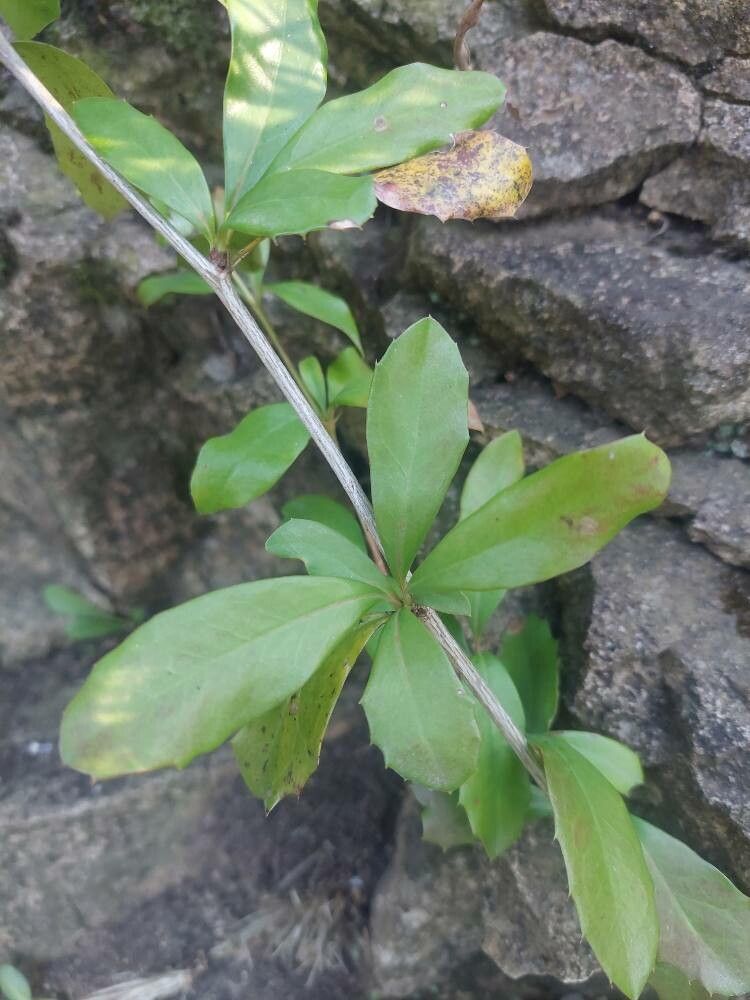
Unveiling the Secrets of Propagating Indian Barberry (Berberis aristata)
The Indian Barberry, also known as Berberis aristata, is a sight to behold. This hardy, deciduous shrub boasts gracefully arching branches laden with vibrant yellow flowers in the spring, followed by clusters of tart, crimson berries. Used for centuries in traditional medicine, this attractive plant is also a wonderful addition to any garden. But what’s the secret to successfully expanding your Berberis aristata collection? Let’s unlock the mysteries of propagating this versatile shrub.
Propagation Techniques
There are two primary methods for propagating Berberis aristata:
1. Seed Propagation:
While possible, propagating Berberis aristata from seed can be a bit more challenging and time-consuming:
- Seed Collection: Harvest ripe berries in late summer or early fall. Extract the seeds and clean off any remaining pulp.
- Stratification: Berberis aristata seeds require a period of cold stratification to germinate properly. Place the cleaned seeds in a moist mixture of sand and peat moss, seal them in a plastic bag, and refrigerate for 2-3 months.
- Sowing: After stratification, sow the seeds in a well-draining seed-starting mix. Keep the soil consistently moist but not waterlogged.
- Germination: Be patient! Germination can take several weeks to a few months.
Keep in mind that seed-grown plants may not exhibit the exact characteristics of the parent plant.
2. Semi-Hardwood Cuttings:
This method is generally preferred for its higher success rate and faster results:
- Timing: Take cuttings in mid-summer when the new growth has started to harden slightly.
- Cutting Selection: Choose healthy, non-flowering stems that are about 4-6 inches long.
- Prepare the Cuttings: Remove the leaves from the bottom half of the cutting. Make a clean cut just below a leaf node. You can dip the cut end in rooting hormone to encourage faster root development.
- Planting: Plant the cuttings in a pot filled with a well-draining potting mix.
- Environment: Cover the pot with a plastic bag or place it in a propagator to maintain humidity. Ensure bright, indirect light and keep the soil consistently moist.
- Rooting: After about 6-8 weeks, gently tug on the cuttings to check for resistance. Resistance indicates roots have formed.
Transplanting:
Once the cuttings or seedlings have developed a strong root system, transplant them into individual pots or directly into your garden in a sunny to partially shaded location with well-drained soil.
Tips for Success:
- Hygiene is key: Sterilize your cutting tools and use a fresh, sterile potting mix to prevent fungal diseases.
- Don’t overwater: Excess moisture can lead to root rot.
- Be patient: Propagation takes time. Don’t get discouraged if you don’t see results immediately.
By following these tips and employing a bit of patience, you’ll be well on your way to successfully propagating your very own Berberis aristata plants. Soon, your garden will be brimming with the vibrant beauty and traditional charm of this remarkable shrub.