
Unveiling the Secrets: How to Propagate the Enchanting Berberis Candidula
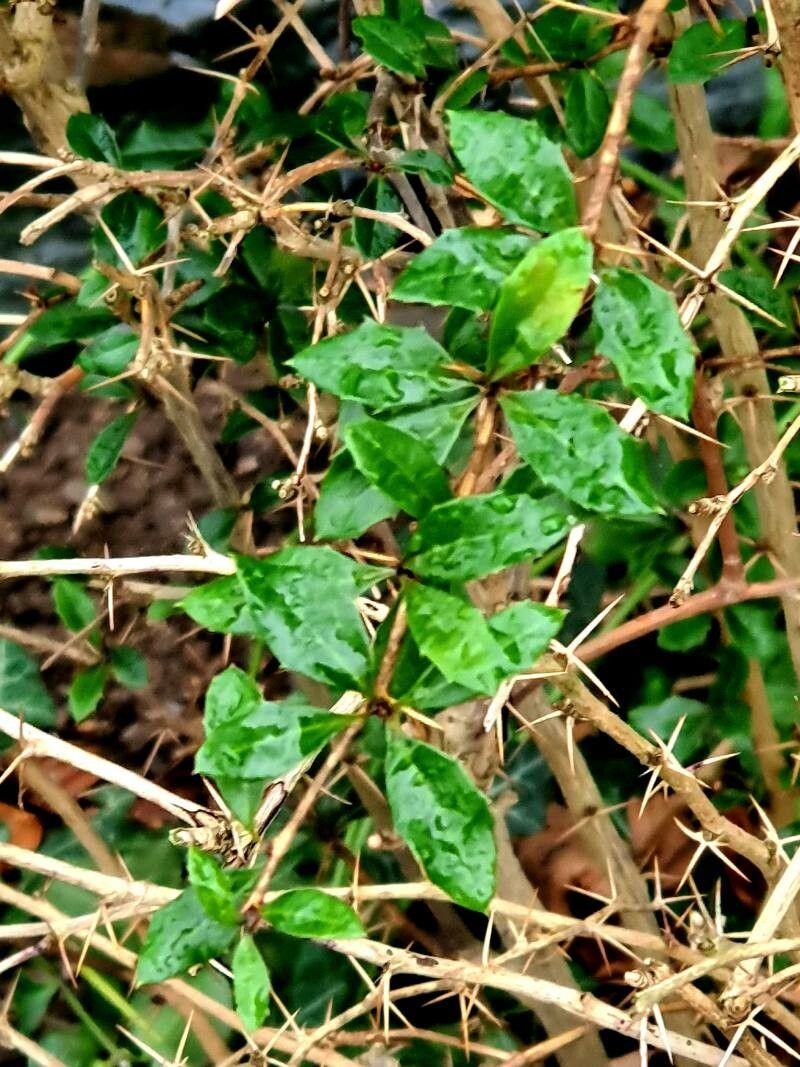
The Berberis candidula, also known as the Dwarf Evergreen Barberry, is a landscaping gem. This compact shrub, with its glossy green foliage and vibrant yellow blooms, can add a touch of elegance to any garden. But did you know that propagating this beauty is an attainable feat even for beginner gardeners? Let’s delve into the secrets of propagating Berberis candidula and unlock a world of lush greenery.
The Power of Two: Propagation Methods
Two main methods dominate the Berberis candidula propagation scene:
- Cuttings: This technique involves nurturing stem segments into independent plants.
- Seed Sowing: This method involves germinating seeds, a slightly more time-consuming process.
Method 1: The Art of Cuttings
- Timing is Everything: Late summer to early fall is the ideal period for taking cuttings. This is when the plant’s energy is focused on root development.
- Take the Right Cut: Choose healthy, non-flowering stems. Make a clean cut just below a leaf node, about 4-6 inches in length.
- Prepare the Cutting: Remove the lower leaves, leaving only a few at the top. This minimizes water loss and encourages root growth.
- The Rooting Hormone Advantage: Dipping the cut end in rooting hormone powder significantly increases the success rate.
- Potting Mix Matters: A well-draining mix, ideally a blend of peat moss and perlite, provides the perfect environment for root development.
- Plant and Protect: Insert the cutting into the potting mix, ensuring the leaf nodes are buried. Cover the pot with a plastic bag to create a humid environment.
- Patience is Key: Maintain consistent moisture and indirect sunlight. In a few weeks, you’ll notice new growth, a sign that your cutting has successfully rooted.
Method 2: The Magic of Seeds
- Harvesting the Treasure: Collect ripe berries from the Berberis candidula in the fall. Extract the seeds and allow them to dry thoroughly.
- Stratification: Mimicking Nature’s Cycle: Berberis candidula seeds require a period of cold stratification to break dormancy. Store them in a moist paper towel inside a sealed plastic bag in your refrigerator for 6-8 weeks.
- Sowing the Seeds: After stratification, sow the seeds in a seed-starting mix, lightly covering them with soil.
- Light and Moisture are Crucial: Provide bright, indirect light and keep the soil consistently moist but not soggy.
- Germination and Growth: Germination can take several weeks. Be patient, and soon you’ll be greeted with tiny seedlings.
Tips for Success:
- Regardless of the method, always use clean tools and pots to prevent diseases.
- Ensure proper drainage to avoid root rot.
- Choose a location in your garden that receives full sun to partial shade.
- Water regularly, especially during hot, dry periods.
Propagating your Berberis candidula is a rewarding experience. With a bit of patience and care, you can multiply your collection and enjoy the charm of this delightful shrub for years to come. So, put on your gardening gloves, embrace the fascinating world of plant propagation, and let your garden flourish with the beauty of Berberis candidula.