
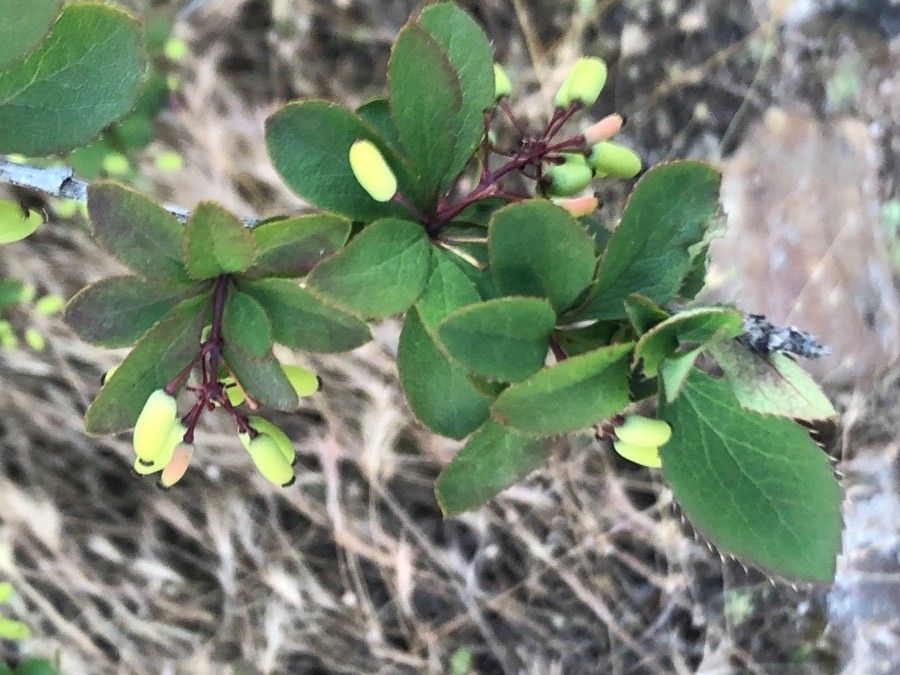
From Cutting to Crown Jewel: Propagating Your Berberis Carolinii
The vibrant, glossy foliage of the Berberis caroli, also known as the Korean barberry, is a beautiful addition to any garden. Luckily, these hardy shrubs are remarkably easy to propagate, meaning you can easily grow new plants from your existing stock.
To ensure success, understanding the best propagation methods is key. Let’s explore the two most common techniques:
1. Softwood Cuttings: A Springtime Affair
This method takes advantage of the new, pliable growth that emerges in spring. Here’s what to do:
- Timing is Key: Select your cuttings during the spring flush of growth. Aim for shoots that are still soft and pliable.
- Cutting Technique: Take cuttings that are about 4-6 inches long, with at least 4-5 leaves. Make a clean cut just below a leaf node (the point where a leaf joins the stem). Remove the bottom leaves, leaving just a few at the top.
- Root Hormone Boost: Dip the cut end of your cuttings in rooting hormone powder. This helps encourage root development.
- Planting the Cuttings: Prepare a pot filled with a well-draining potting mix. Make a small hole with a pencil or your finger, and insert the cut end of the cutting into the hole.
- Moisture & Light: Water thoroughly, then place the pot in a bright, indirect light location. Cover your cuttings with a clear plastic dome or bag to create a humid environment.
- Patience is Virtue: It may take several weeks for the cuttings to root. Keep the potting mix consistently moist but not soggy.
2. Hardwoods: Winter’s Gift
Hardwood cuttings are harvested in late autumn or winter, when the plant is dormant. Here’s how to tackle this method:
- Dormant Cuts: Choose healthy, mature stems during the dormant season. Cut stems about 8-10 inches long, ensuring at least 3-4 leaf buds are present.
- Storage is Key: Bundle the cuttings together and store them in a cool, moist location (like a refrigerator). Keep them out of direct light.
- Spring Planting: In spring, plant the cuttings directly into the ground, burying them about half their length. Space them 1-2 feet apart.
- Watering & Patience: Keep the soil moist but not waterlogged. It may take a year or more for hardwood cuttings to root and establish themselves.
Tips for Success:
- Sharp Tools: Using sharp, clean tools minimizes the risk of infections and ensures clean cuts.
- Sterile Pots: Use sterile pots and potting mix to prevent any fungal diseases from affecting your cuttings.
- Watering Technique: Water gently but consistently, avoiding overwatering which can lead to root rot.
- Be Patient: Propagation takes time, so be patient and persistent.
Beyond the Garden:
Berberis caroli is a valuable part of our ecosystem. Its thorns deter deer, and its berries provide food for birds. By propagating your own Berberis caroli, you can contribute to a healthier environment.
Remember: The key to successful propagation is to understand the needs of your plant and follow proper techniques. With a little patience and attention, you’ll be rewarded with a beautiful collection of Berberis caroli, enriching your garden and supporting local wildlife.