
Propagating Berberis congestiflora: A Gardener’s Guide to the Dense-Flowered Barberry
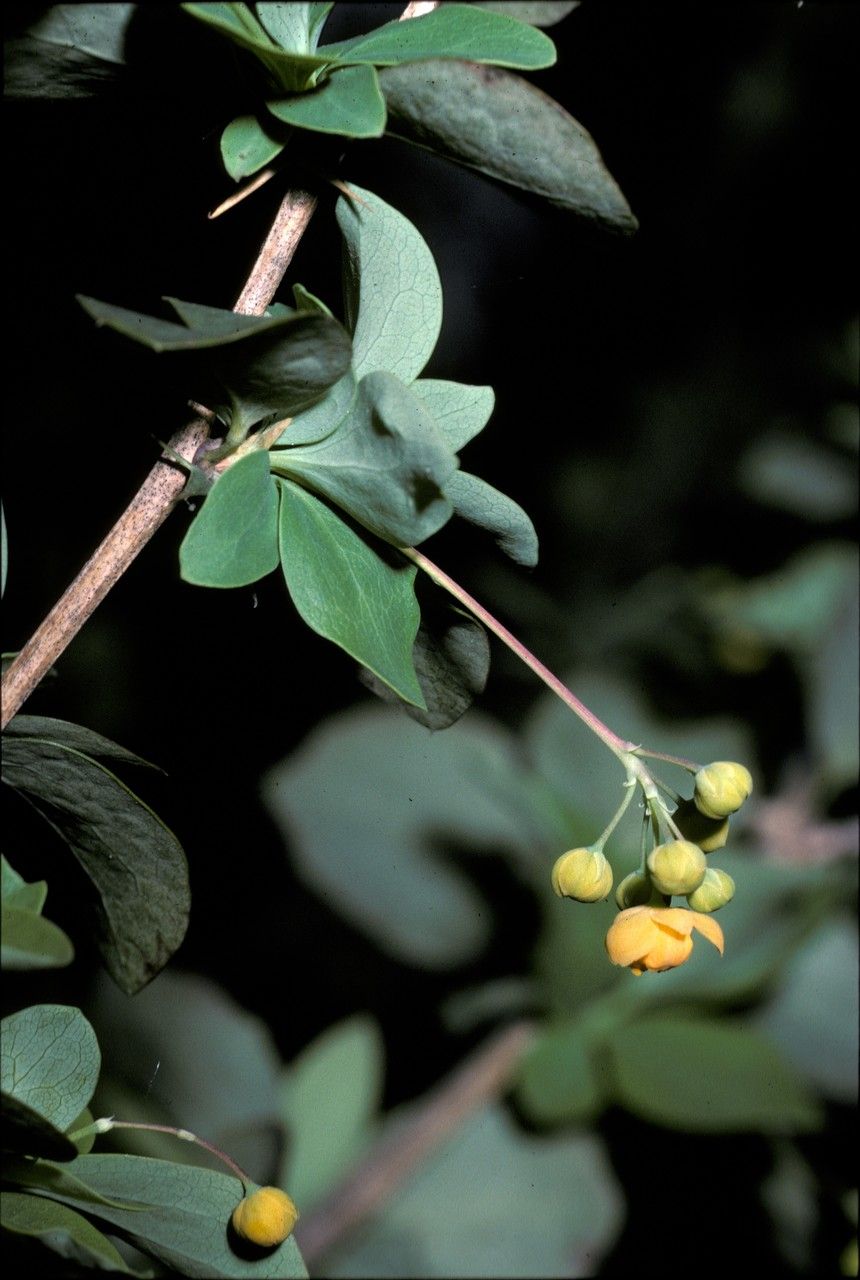
Berberis congestiflora, commonly known as the dense-flowered barberry, is a captivating shrub prized for its profuse, pendulous racemes of vibrant yellow flowers and attractive, bluish-green foliage. Its compact habit and striking floral display make it a popular choice among gardeners, particularly for rock gardens, borders, and as a specimen plant. However, propagating this beauty presents some unique challenges. While some methods are more successful than others, the rewards of nurturing this plant from a cutting, seed, or division are exceptionally satisfying.
Seed Germination:
Currently, there are no known reliable methods for seed germination propagation of Berberis congestiflora. While seeds may be produced, their germination rate is reportedly extremely low, hampered possibly by dormancy mechanisms that haven’t yet been fully understood. Further research is needed to determine optimal stratification techniques and other germination-inducing processes.
Cuttings:
Cuttings offer a more reliable method for propagating Berberis congestiflora.
- Challenges: Success rates can vary depending on factors such as the timing of cutting collection (ideally semi-hardwood cuttings in late summer/early autumn), the use of rooting hormone, and maintaining optimal humidity and temperature. The relatively slow rooting process requires patience.
- Practical Tips: Take 4-6 inch long cuttings from non-flowering stems, removing lower leaves to prevent rotting. Dip the cut ends in rooting hormone powder before planting in a well-draining propagation mix (e.g., a mix of perlite and peat moss). Provide high humidity (using a propagator or covering with a plastic bag) and bottom heat (around 20-24°C) to encourage root development. Regular misting is crucial to prevent desiccation.
- Rewards: Cuttings offer a reliable way to produce genetically identical plants, ensuring the preservation of desirable traits of the parent plant. Propagation from cuttings is also relatively fast compared to other methods (once roots develop).
Division:
Division is a viable method, particularly for established plants.
- Challenges: This method can be physically demanding, requiring careful handling to avoid damaging the roots. It is only suitable for relatively mature plants, as smaller specimens may not have sufficiently developed root systems for successful division.
- Practical Tips: Divide the plant in early spring or autumn, ensuring each division has a good portion of healthy roots and several stems. Plant the divisions immediately in well-prepared soil, providing adequate moisture initially.
- Rewards: Division is a relatively straightforward method once the plant is large enough, resulting in multiple plants quickly. It also avoids the prolonged waiting time associated with cuttings.
Tissue Culture:
Tissue culture offers a highly controlled environment for propagation.
- Challenges: This technique requires specialized equipment, expertise, and a sterile environment. It is resource intensive and not practical for home gardeners.
- Practical Tips: This method demands a laboratory setting with specialized media, growth regulators, and aseptic techniques. It involves culturing small plant tissues (explants) in a nutrient-rich medium to induce the development of new plants.
- Rewards: Tissue culture allows for the rapid mass production of genetically identical plants free from diseases, making it ideal for commercial nurseries or research purposes. It holds promise for efficient large-scale multiplication of Berberis congestiflora.
Conclusion:
Propagating Berberis congestiflora presents unique challenges across all methods, with seed propagation remaining unreliable. Cuttings provide the most accessible and practical method for the average gardener, though patience and attention to detail are essential. Division is suitable for mature plants, offering a simpler alternative. Tissue culture, while highly efficient, is impractical for home cultivation. The satisfaction of successfully propagating this beautiful shrub, however, far outweighs the difficulties. The knowledge that you’ve nurtured a plant from a tiny cutting, or patiently waited for a division to establish itself, is a rewarding accomplishment. Don’t be discouraged by any initial setbacks; persistent effort and dedication will ultimately lead to the successful cultivation of this stunning specimen.