
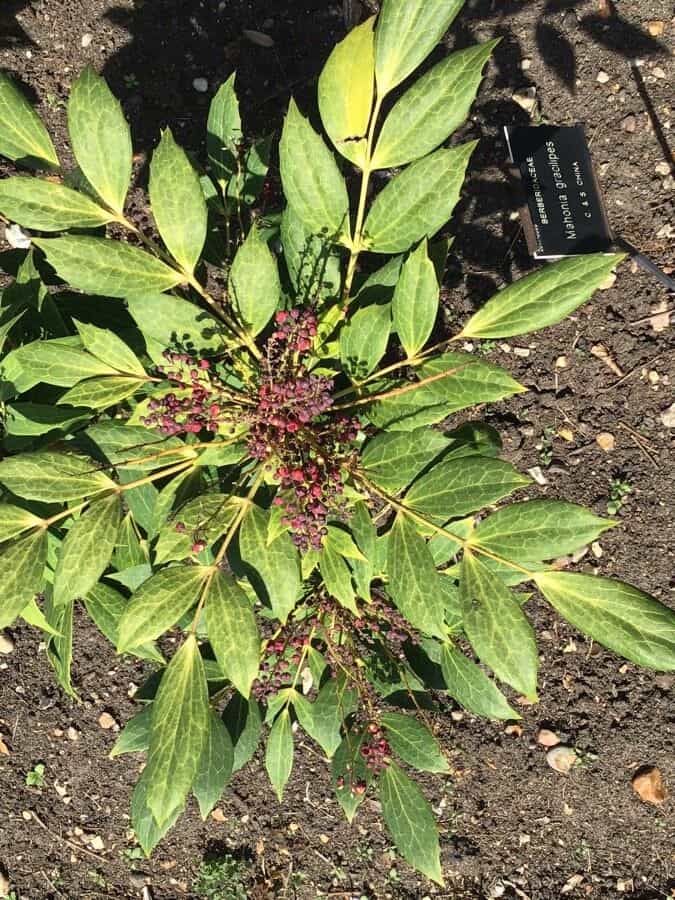
Unveiling the Secrets of Propagation: How to Grow More Berberis Gracilipes
Berberis gracilipes, with its graceful arching branches and vibrant, jewel-toned berries, can be a show-stopping addition to any garden. But did you know that propagating this gorgeous shrub is easier than you might think? Whether you’re looking to expand your existing collection or share its beauty with friends, this guide will unveil the secrets to successfully propagate Berberis gracilipes.
Three Methods to Multiply Your Berberis:
Berberis gracilipes can be propagated through three main methods:
1. Seed Propagation: The Adventure of New Beginnings
Collecting seeds from ripe berries in autumn offers a rewarding, albeit slower, propagation method.
- Harvesting: Look for plump, ripe berries and extract the seeds, cleaning off any pulp.
- Stratification (Mimicking Winter): Berberis seeds need a period of cold treatment to break dormancy. Mix seeds with moist vermiculite in a sealed bag and store in the refrigerator (around 4°C) for 8-12 weeks.
- Sowing: In spring, sow the stratified seeds in a well-draining seed-starting mix, barely covering them.
- Germination: Be patient! Germination can be erratic, taking several weeks to months. Provide consistent moisture and bright, indirect light.
2. Semi-Hardwood Cuttings: A Faster Route to Success
Propagating from semi-hardwood cuttings taken in late summer offers a higher success rate and quicker results compared to seeds.
- Timing: Take cuttings in late summer when the new growth has started to harden slightly.
- Preparation: Select healthy, non-flowering stems and cut them into 4-6 inch sections. Remove the lower leaves, leaving 2-3 pairs at the top.
- Hormone Boost (Optional): Dipping the cut end in rooting hormone can increase success rates.
- Planting: Insert the cuttings into a pot filled with a well-draining, moist rooting mix.
- Humidity is Key: Cover the pot with a plastic bag or use a propagation dome to maintain humidity.
- Rooting: Place the cuttings in bright, indirect light. Rooting should occur within 6-8 weeks.
3. Layering: Letting Nature Take the Lead
This simple technique encourages roots to develop on a stem while it’s still attached to the parent plant.
- Springtime Activity: Layering is best done in spring when new growth is emerging.
- Bend and Wound: Choose a low-growing, flexible stem and gently wound it slightly near the base.
- Bury and Secure: Bend the wounded portion down and bury it in a shallow trench in the soil, securing it with a landscape pin or rock.
- Patience is Virtue: Keep the soil consistently moist. Rooting will typically occur within a year.
- Separation: Once the layer has rooted well, separate it from the parent plant and pot it up.
Tips for Success:
- Well-draining Soil: Berberis gracilipes prefers well-draining soil to prevent root rot.
- Sunlight Needs: Choose a location with full sun to partial shade for optimal growth.
- Watering Wisely: Water regularly, especially during the first year, but avoid overwatering.
From One to Many:
Propagating Berberis gracilipes is a rewarding way to expand your plant collection and add vibrant color and texture to your garden. With a little patience and care, you’ll soon have multiple shrubs to enjoy for years to come. So, choose your preferred method and get ready to witness the magic of plant propagation!