
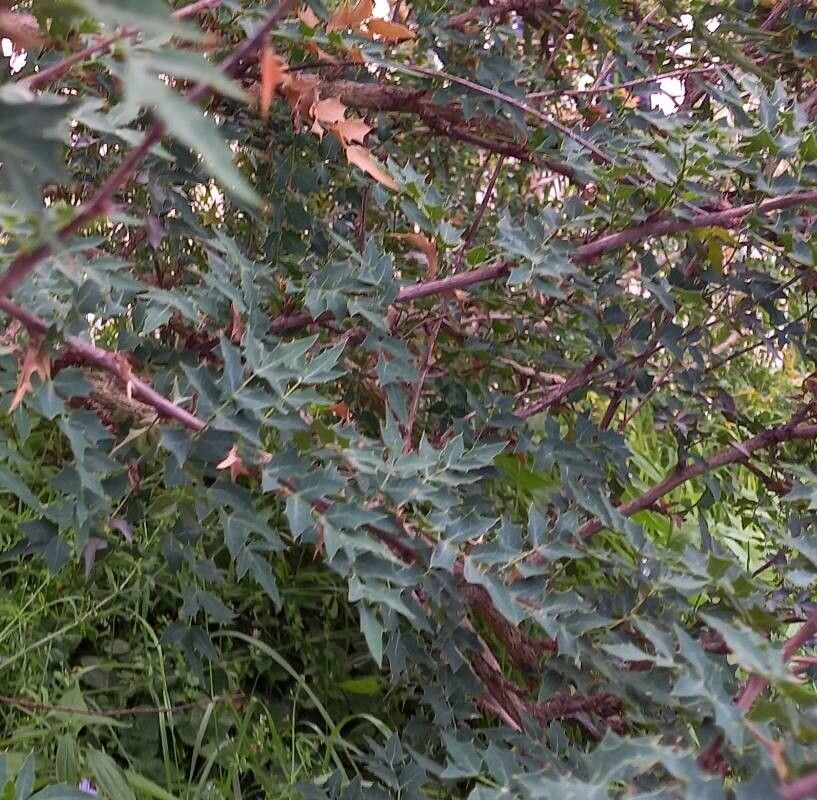
Propagating the Crimson Berberis: A Guide to Berberis haematocarpa
Introduction:
Berberis haematocarpa, commonly known as the Crimson Barberry or Red-fruited Barberry, is a deciduous shrub prized for its vibrant red berries, attractive foliage that often turns stunning shades of red and orange in autumn, and its relatively low maintenance requirements. Its thorny nature makes it a useful hedging plant, and the attractive berries provide winter interest and food for birds. While readily available from nurseries, propagating Berberis haematocarpa from existing plants offers gardeners a rewarding challenge and the chance to expand their collection without significant cost. The unique characteristics of this plant, however, present specific propagation challenges.
Seed Germination:
Currently, there are no known reliable methods for seed germination propagation of Berberis haematocarpa. While seeds may be produced, their germination rate is extremely low, often hampered by hard seed coats and dormancy requirements that are difficult to overcome with standard horticultural techniques.
Cuttings:
Challenges: While propagating Berberis haematocarpa from cuttings is more feasible than from seed, it’s not always straightforward. The success rate can be relatively low if proper techniques aren’t followed. The thorny nature of the plant makes handling the cuttings a little tricky.
Practical Tips: Hardwood cuttings taken in late autumn or winter, after the plant has gone dormant, offer the best chance of success. Select mature, but not overly woody, stems of approximately 10-15cm in length. Remove lower leaves and dip the cut ends in a rooting hormone powder. Plant the cuttings in a well-draining propagation mix, such as a mixture of peat and perlite, and maintain a consistently moist (but not waterlogged) environment. A humidity dome can aid rooting.
- Rewards: Successful propagation from cuttings allows for the clonal replication of desirable plant characteristics, ensuring uniformity in your collection.
Division:
Challenges: Division is a simple method, suitable only for established, larger plants. Dividing Berberis haematocarpa can be challenging due to its dense root system and thorny branches. Improper division can damage the plant, reducing its vigor.
Practical Tips: The best time to divide is in spring or early autumn. Dig up the entire plant carefully, and using a sharp, clean spade, divide it into sections, ensuring each section has sufficient roots and healthy stems. Replant immediately, ensuring adequate spacing.
- Rewards: Quick establishment compared with cuttings, offering a faster way to increase the number of plants.
Tissue Culture:
Challenges: Tissue culture is a technically complex method that requires specialized equipment, sterile conditions, and expertise in plant tissue culture techniques. While potentially offering the highest propagation rate, it’s not generally a practical option for home gardeners.
Practical Tips: This method requires a controlled environment with appropriate media, growth regulators, and aseptic techniques. Successful propagation depends on meticulous procedures and sterile conditions to minimize contamination.
- Rewards: Large-scale propagation is possible with tissue culture, allowing for the production of many genetically identical plants quickly and efficiently. However, the high setup cost is a deterrent for hobbyists.
Conclusion:
Propagating Berberis haematocarpa presents varying degrees of challenge depending on the method chosen. While seed propagation is unreliable, cuttings offer a feasible approach for home gardeners, albeit with a need for patience and attention to detail. Division is a simple, though potentially damaging, method suitable only for established plants. Tissue culture is the most efficient, but demands specialized skills and resources. Regardless of the method, the reward of successfully cultivating this attractive shrub, especially after overcoming the hurdles, is immense. The vibrant red berries and autumn foliage are a testament to the gardener’s perseverance and provide a satisfying sense of accomplishment. Don’t be discouraged by early setbacks; experimentation and learning from experience are key to mastering the art of propagating Berberis haematocarpa.