
Propagating Berberis × ottawensis: A Gardener’s Guide
Introduction:
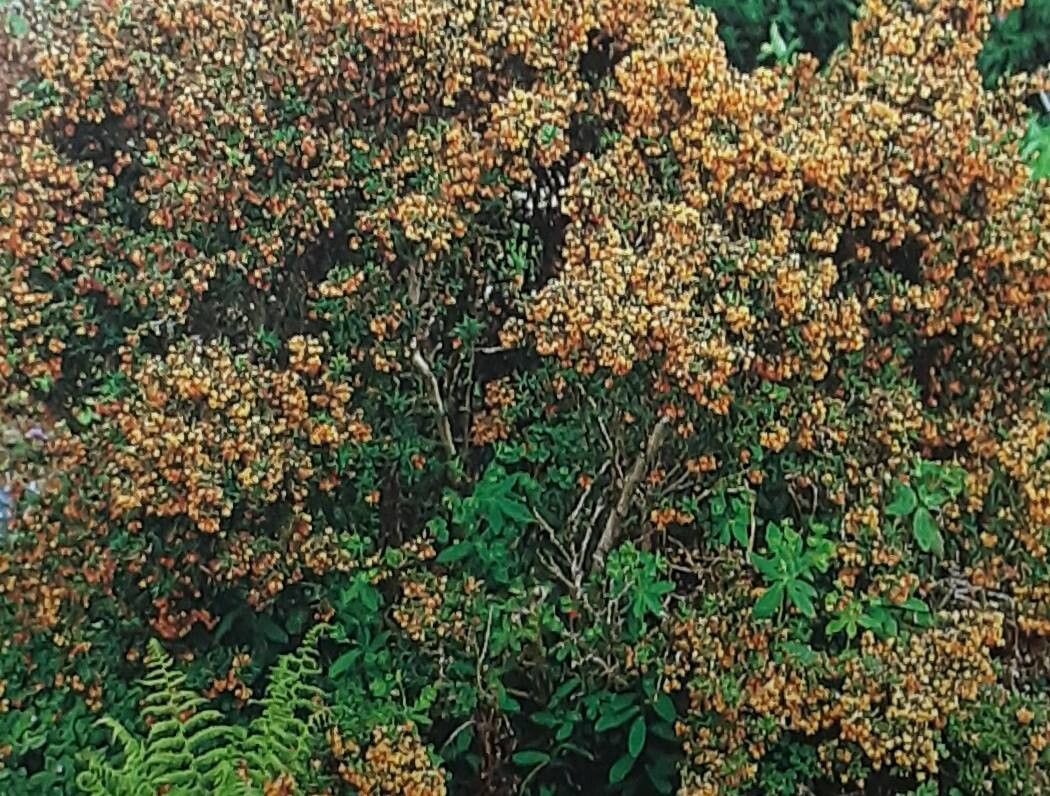
Berberis × ottawensis, also known as Ottawa barberry, is a popular deciduous shrub prized for its vibrant foliage, often displaying shades of purple, red, or bronze, depending on the cultivar. Its attractive, spiny branches, and bright yellow flowers followed by edible (though tart) berries make it a valuable addition to any garden. The plant’s relative ease of cultivation and hardiness contribute to its widespread popularity, but propagation presents specific challenges. Understanding these challenges and employing appropriate techniques is key to successfully increasing this valuable plant. The hybrid nature of Berberis × ottawensis (a cross between Berberis thunbergii and Berberis vulgaris) plays a significant role in its propagation methods.
Seed Germination:
Currently, there are no known reliable methods for seed germination propagation of Berberis × ottawensis. The hybrid nature of this plant often leads to sterility or significantly reduced seed viability and germination rates. Even if seeds are produced, the resulting seedlings may show considerable variation and may not accurately reflect the parent plant’s desirable traits.
Cuttings:
Cuttings present a more reliable method for propagating Berberis × ottawensis.
- Challenges: Success relies on timing and technique. Hardwood cuttings taken in late autumn or dormant softwood cuttings taken in early spring offer the best chance of success. The spiny nature of the plant can make handling somewhat difficult.
- Practical Tips: Use semi-hardwood cuttings (taken in late summer/early autumn) of about 4-6 inches long, removing lower leaves and dipping the cut end in rooting hormone before planting in a moist, well-drained propagation mix (e.g., perlite and peat moss). Maintaining high humidity using a propagator or covering with a plastic bag is essential. Bottom heat can also significantly increase rooting success.
- Rewards: Cuttings offer a quicker route to obtaining plants that are true to the parent plant’s characteristics compared to seed propagation. It is a relatively straightforward method ideal for smaller-scale propagation.
Division:
Division is a feasible method, but limited by the size and age of the parent plant
- Challenges: Ottawa barberry doesn’t readily send up suckers, making division difficult. Large, established plants may be divided, but this process can be disruptive to both the parent plant and the resulting divisions.
- Practical Tips: Division is best undertaken in spring or autumn, ensuring each division has a strong root system and sufficient stem growth. Sharp, clean tools are crucial to prevent disease spread. The divided portions should be carefully re-planted in suitable soil, kept moist, and protected from direct sunlight until established.
- Rewards: Division offers a relatively simple method for creating true-to-type plants from a mature, established parent plant. it avoids the complexities of cuttings or tissue culture.
Tissue Culture:
Tissue culture is a viable, although specialized, method.
- Challenges: Tissue culture requires sterile conditions, specialized equipment, and expertise. It’s a more expensive and technically demanding method than cuttings or division.
- Practical Tips: Explant selection, sterilization procedures, and growth media composition are critical for success. A skilled technician is necessary for optimal results.
- Rewards: Tissue culture allows for rapid and large-scale propagation, offering the possibility of producing a high number of genetically identical plants. This is particularly useful for preserving rare or particularly desirable cultivars.
Conclusion:
Propagating Berberis × ottawensis offers diverse challenges depending on the chosen method. Seed germination is generally unreliable due to the hybrid nature of the plant. Although cuttings offer a relatively simple and reliable method for the home gardener, achieving high success rates demands care and attention. Division is limited by the plant’s nature, while tissue culture offers large-scale potential but requires specialized skills and resources. The satisfaction of successfully propagating this vibrant shrub, however, especially via cuttings, is significant. The process of nurturing a tiny cutting into a mature, flowering shrub is a rewarding testament to patience and horticultural skill. Aspiring propagators should carefully consider their resources and skills before selecting their preferred method, ultimately choosing the technique best suited to their needs and experience. Remember that patience, attention to detail, and persistence are crucial for success regardless of the chosen propagation method.