
Propagating Berchemia edgeworthii: A Gardener’s Guide
Introduction:
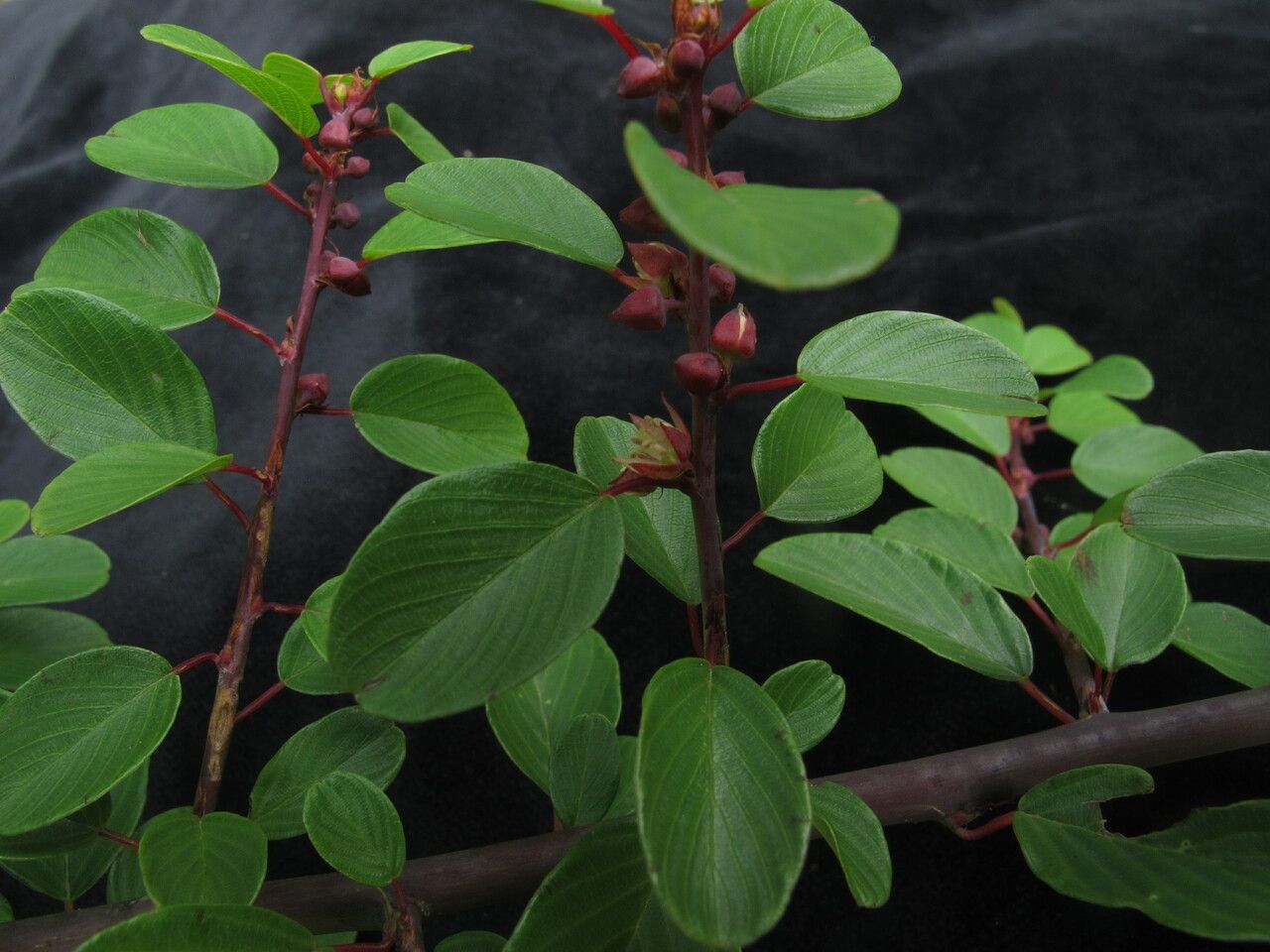
Berchemia edgeworthii, commonly known as the Himalayan Supplejack or sometimes simply Supplejack, is a fascinating and relatively underutilized plant in horticulture. This vigorous, climbing or scrambling shrub boasts glossy, dark green leaves and attractive, small, whitish flowers, followed by small, dark purple-red fruits. Its ability to cling to structures makes it ideal for covering walls, fences, or trellises, adding a touch of unique elegance to any garden. While not widely cultivated, its hardiness and attractive qualities are gaining it popularity among gardeners seeking less common plants. Its propagation, however, presents unique challenges that require patience and specific techniques.
Seed Germination:
Currently, there are no known reliable methods for seed germination propagation of Berchemia edgeworthii. Reports on successful germination are scarce, and even under ideal controlled conditions, germination rates appear to be exceptionally low. Further research into specific pre-treatment techniques (like scarification or extended stratification periods) might be required to determine if seed germination is a viable option.
Cuttings:
Cuttings offer a more promising approach to propagating Berchemia edgeworthii. Softwood cuttings, taken in spring or early summer from new growth, seem to have the highest success rate.
Challenges: Root development can be slow, and cuttings are prone to fungal diseases if humidity and sanitation are not carefully controlled.
Practical Tips: Use a well-draining rooting medium (e.g., a perlite and peat moss mix), apply a rooting hormone, maintain high humidity using a propagation dome or humidity tent, and ensure good air circulation to prevent fungal growth. Mist regularly to keep the cuttings moist but avoid waterlogging.
Rewards: Cuttings are a relatively quick method to produce genetically identical plants to the mother plant, preserving desirable characteristics.
Division:
Division is not a practical propagation method for Berchemia edgeworthii. Unlike plants with rhizomatous growth, this species lacks the easily separable root systems required for successful division.
Tissue Culture:
Tissue culture presents a potentially viable, albeit highly specialized, method of propagating Berchemia edgeworthii.
Challenges: Establishing protocols for sterile culture, including the optimal media composition and growth regulators, requires considerable expertise and laboratory facilities. The process is both time-consuming and expensive.
Practical Tips: This method requires specialized knowledge of plant tissue culture techniques. Collaboration with a tissue culture laboratory or experienced propagator would be necessary for successful implementation.
Rewards: Tissue culture can generate large numbers of genetically uniform plants quickly, which could prove invaluable for large-scale cultivation or conservation efforts.
Conclusion:
Propagating Berchemia edgeworthii presents a unique set of horticultural challenges. While seed germination has shown little promise to date, cuttings offer a more achievable method, albeit one requiring patience and attention to detail. Tissue culture holds the potential for large-scale propagation, but necessitates significant resources and expertise. The lack of easily accessible information on propagating this fascinating plant only adds to its allure.
Despite the difficulties, the reward of successfully propagating and cultivating Berchemia edgeworthii is immense. Observing the vigorous growth, the emergence of delicate blossoms, and eventually the vibrant fruits of your own efforts offers an exceptional satisfaction – a tangible testament to your horticultural skill and perseverance. To aspiring propagators, I encourage you to embrace the challenge. Even partial success will be a valuable learning experience contributing to the eventual broader cultivation of this unique and worthy plant.