
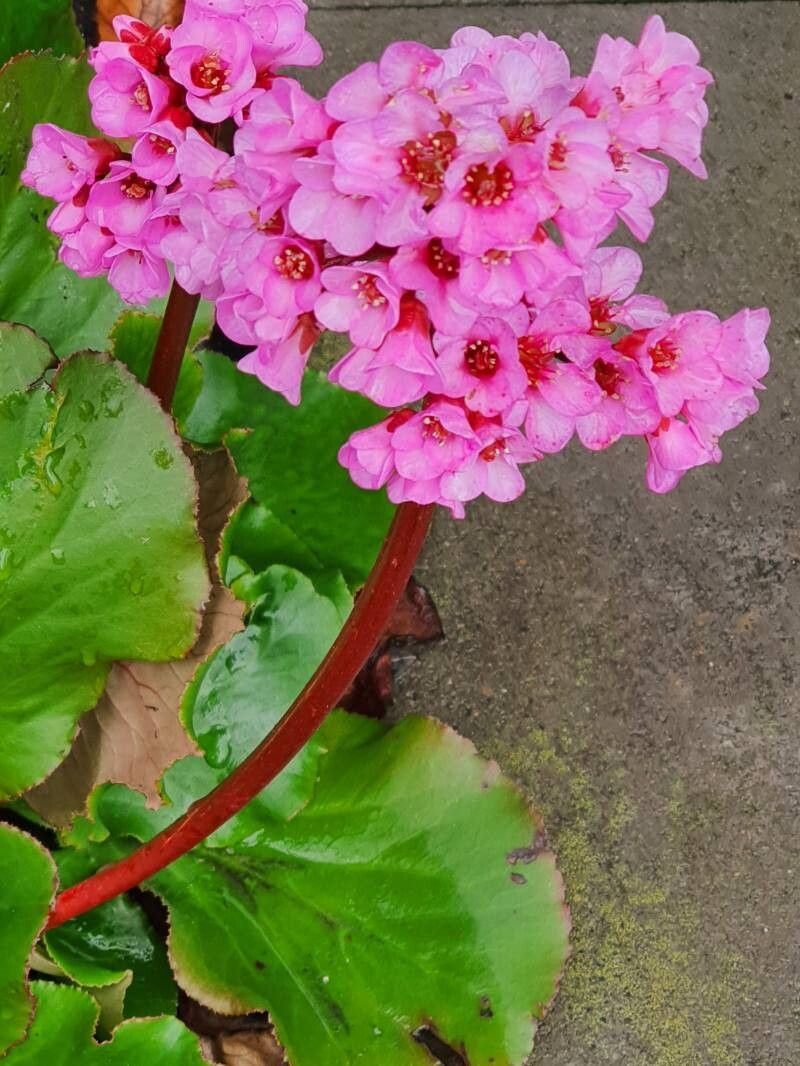
Propagating Bergenia crassifolia: Unveiling the Secrets of the Siberian Tea Plant
Bergenia crassifolia, also known as Siberian tea, pig squeak, or elephant ears, is a beloved perennial prized for its striking, leathery evergreen foliage and clusters of charming pink or red bell-shaped flowers that emerge in late winter or early spring. Its tolerance of shade, drought, and poor soils, coupled with its ability to thrive in a range of climates, has cemented its popularity among gardeners. While readily available commercially, the propagation of Bergenia crassifolia offers a rewarding challenge, allowing gardeners to expand their collections and share this hardy plant. The success of each propagation method, however, varies significantly.
Seed Germination:
Currently, there are no known reliable methods for seed germination propagation of Bergenia crassifolia. While seeds may be produced, germination rates are notoriously low and inconsistent, even under ideal conditions. The seeds often require a prolonged period of stratification (cold treatment) and even then, success is unpredictable. Therefore, seed propagation is not a practical method for the home gardener.
Cuttings:
Propagating Bergenia crassifolia from cuttings presents moderate challenges. While possible, success rates aren’t guaranteed.
Challenges: Cuttings are slow to root, and require specific conditions to encourage rooting. The success rate is heavily dependent on factors like the age and health of the parent plant, the timing of the cutting, and the maintenance of a consistently humid environment.
Practical Tips: Take semi-hardwood cuttings in late spring or early summer. Use a sharp, clean blade to take 3-4 inch cuttings, removing lower leaves to prevent rot. Dip the cut ends in rooting hormone and plant in a well-draining potting mix. Maintain high humidity using a propagator or by covering the cuttings with a clear plastic bag. Patience is key, as root development can take several weeks.
Rewards: Successfully rooted cuttings provide genetically identical plants to the parent, preserving desirable traits.
Division:
Division is the most reliable and widely used method for propagating Bergenia crassifolia.
Challenges: Division requires mature, established plants with well-developed root systems. Improper division can damage the plant, resulting in poor growth or even death.
Practical Tips: Divide the plant in early spring or autumn. Carefully lift the Bergenia from the ground, shaking off excess soil. Using a sharp knife or spade, divide the root ball into sections, ensuring each division has multiple healthy growth points and a good root system. Replant the divisions immediately, spacing them appropriately. Water thoroughly after planting.
Rewards: Division is relatively straightforward and yields quick results, resulting in multiple plants almost immediately. It’s the most efficient method for expanding a collection.
Tissue Culture:
Tissue culture propagation is a specialized technique not usually undertaken by home gardeners.
Challenges: Requires specialized equipment, sterile conditions, and expertise in plant tissue culture techniques. It’s a costly and technically demanding method.
Practical Tips: This method requires a controlled lab setting with sterile media, growth hormones, and specific protocols depending on the used explant.
Rewards: Tissue culture offers the potential for large-scale propagation and the elimination of diseases.
Conclusion:
While seed propagation is unreliable, division offers the most straightforward and successful approach for the home gardener wishing to propagate Bergenia crassifolia. Cuttings are possible but require patience and attention to detail. Tissue culture is best left to professionals. The satisfaction of successfully propagating this resilient plant, whether through division or cuttings, is rewarding. Overcoming the challenges associated with each method enhances the appreciation for the hardiness and beauty of this incredible plant. Don’t be discouraged by initial setbacks – the persistent gardener will ultimately be rewarded with a flourishing collection of Siberian tea plants to enjoy for years to come.