
Taming the Sunshine Seed: A Guide to Propagating Berkheya Radula
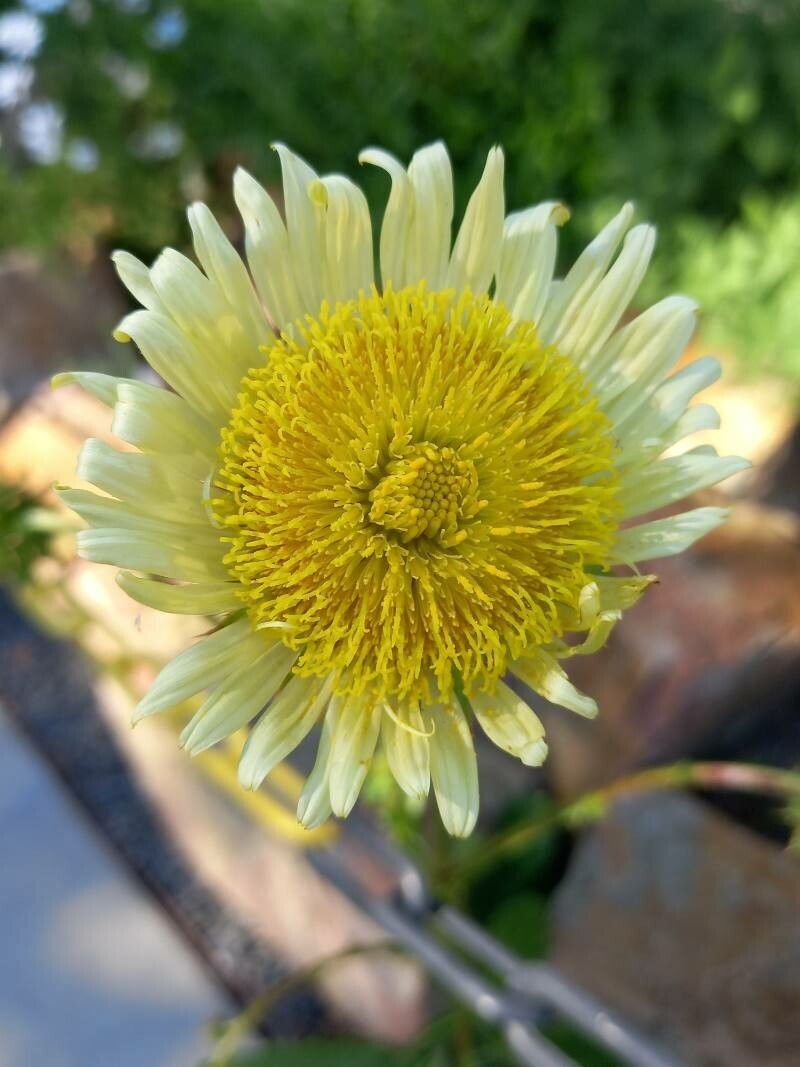
The Berkheya radula, with its vibrant yellow blooms reminiscent of miniature suns, is a showstopper in any garden. This South African native, also known as the “Yellow Sun Devil,” adds a touch of exotic charm with its spiky, silver-green foliage and drought-tolerant nature. If you’re hoping to multiply your sunshine delight or share its cheerful presence, propagating Berkheya radula is an adventure worth embarking on.
Two Paths to Propagation:
While Berkheya radula can be a bit temperamental, you can propagate this beauty through two primary methods:
1. Seed Sowing: From Tiny Specks to Sunny Spikes
- Timing is Key: Late winter or early spring is the ideal time to sow Berkheya radula seeds. This allows the seedlings to establish themselves before the summer heat sets in.
- Sowing the Seeds: Use a well-draining seed starting mix and lightly press the seeds onto the surface. Don’t bury them deeply, as they require light to germinate.
- Warmth and Patience: Maintain a warm temperature (around 70-75°F or 21-24°C) and keep the soil consistently moist but not soggy. Germination can be erratic, taking anywhere from a few weeks to a couple of months.
- Transplanting with Care: Once the seedlings develop a few sets of true leaves, carefully transplant them into individual pots or into your garden after the last frost has passed.
2. Taking Cuttings: Cloning Your Sunshine Delight
- The Right Time and Cut: Take cuttings in late spring or early summer from healthy, non-flowering stems. Using a clean, sharp knife or pruning shears, cut a 4-6 inch section just below a leaf node.
- Hormone Help: While not strictly necessary, dipping the cut end in rooting hormone can encourage faster and more successful rooting.
- The Rooting Medium: Plant the cuttings in a well-draining mix, like a blend of peat moss and perlite. Keep the medium consistently moist.
- Patience, Young Padawan: The cuttings will take several weeks to develop roots. You can test for root development by gently tugging on the cutting. Resistance indicates roots are forming.
- Potting Up Your Success: Once the cutting has developed a good root system, you can transplant it into a larger pot or into your garden.
Nurturing Your New Sun Devils:
Berkheya radula thrives in full sun and well-draining soil. Once established, it’s relatively drought-tolerant but appreciates regular watering during hot, dry periods. Fertilize sparingly with a balanced fertilizer during the growing season.
A Note of Caution:
While stunning, Berkheya radula is considered toxic to pets and humans if ingested. Handle the plant with gloves, as its spiky foliage can also irritate the skin.
Propagating Berkheya radula might require some patience and a touch of green-thumb magic, but the reward of seeing these sunny blooms multiply in your garden is well worth the effort. So, embrace the adventure, and may your garden be filled with the radiant glow of the “Yellow Sun Devil.”