
Propagating Berzelia lanuginosa: Unveiling the Secrets of the Silver Ice Flower
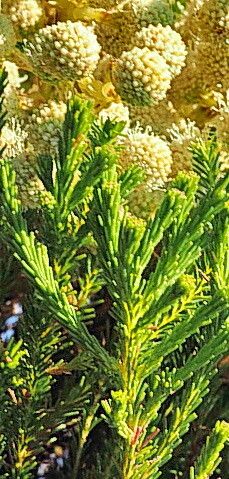
Berzelia lanuginosa, commonly known as the Silver Ice Flower or woolly berzelia, is a captivating South African shrub prized for its exquisite, silvery-white flower heads and delicate, needle-like foliage. Its unique aesthetic has earned it a place in many gardeners’ hearts, though propagating this beauty presents a unique set of horticultural challenges. Its popularity stems not only from its attractive blooms but also its ability to thrive in well-drained, sunny positions, making it a valuable addition to drought-tolerant gardens. However, its propagation is not always straightforward.
Seed Germination:
Currently, there are no known reliable methods for seed germination propagation of Berzelia lanuginosa. While seeds may be produced, their viability and germination rate are extremely low, making this method impractical for most gardeners. Further research into specific germination requirements is needed.
Cuttings:
Cuttings offer a more promising avenue for propagating Berzelia lanuginosa.
Challenges: The success rate with cuttings can be variable. Berzelia lanuginosa can be slow to root, and cuttings are susceptible to fungal diseases if not carefully managed. Proper sanitation and the use of rooting hormones are crucial.
Practical Tips: Semi-hardwood cuttings taken in late summer or early autumn generally yield the best results. Use a sharp blade to take 8-10cm cuttings, removing lower leaves to prevent rot. Dip the cut ends in a rooting hormone powder before planting them in a well-draining medium like a mix of perlite and peat moss. Maintain consistently moist (but not waterlogged) conditions and high humidity, ideally using a propagation chamber or covering the cuttings with a plastic bag. Patience is key; rooting can take several weeks or even months.
Rewards: Cuttings provide a faster way to obtain new plants compared to other methods, preserving the genetic characteristics of the mother plant.
Division:
Division is generally not a feasible method for propagating Berzelia lanuginosa. The plant’s root system is not easily divided, and disturbing it significantly increases the risk of mortality for both the mother plant and the resulting divisions.
Tissue Culture:
Tissue culture presents a potentially viable, albeit advanced, method for propagating Berzelia lanuginosa.
Challenges: Tissue culture requires specialized equipment, sterile techniques, and a thorough understanding of plant tissue culture protocols. Developing a reliable protocol specifically for Berzelia lanuginosa would necessitate considerable research and experimentation.
Practical Tips: This method is best suited for professional nurseries or labs with the necessary resources and expertise. It offers the potential for mass propagation and the production of disease-free plants.
Rewards: Tissue culture allows for large-scale propagation, offering the possibility of making this unique plant more widely available. It also allows for the preservation of rare clones.
Conclusion:
Propagating Berzelia lanuginosa presents a unique set of horticultural challenges. While seed germination is currently unreliable, cuttings offer a viable, though sometimes challenging, approach for the home gardener. Division is not recommended, and tissue culture remains a specialized method best suited for professional settings. The rewards of successfully cultivating this striking plant, however, are well worth the effort. The unique satisfaction of nurturing a cutting from a small stem to a mature, flowering shrub is a testament to the gardener’s perseverance and skill. If you’re prepared to embrace the challenge, and armed with patience and the right techniques, the exquisite beauty of the Silver Ice Flower will be a truly gratifying reward. Don’t be discouraged by initial setbacks – diligent effort and careful attention to detail are key to success in propagating this remarkable plant.