
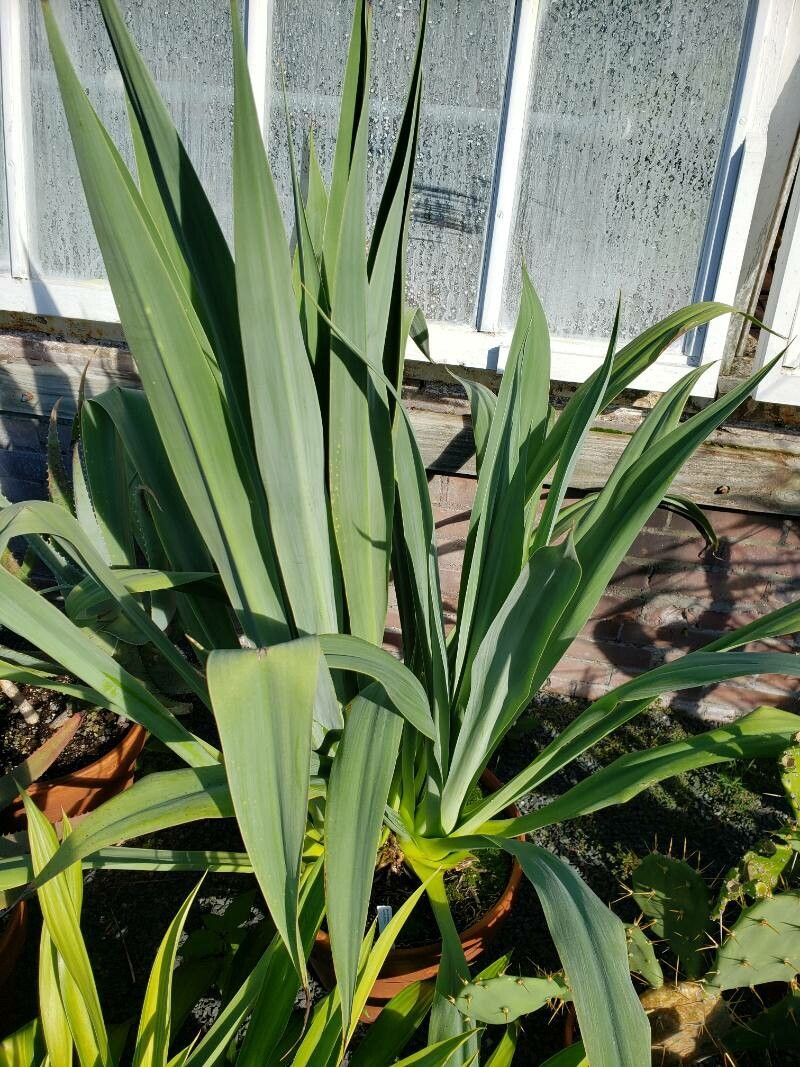
Propagating the Foxtail Agave: Unveiling the Secrets of Beschorneria yuccoides
Beschorneria yuccoides, commonly known as the Foxtail Agave (though not a true agave), is a striking succulent prized for its architectural foliage and dramatic flower spikes. Its rosette of stiff, grey-green leaves, often edged with fine spines, creates a bold statement in any garden, making it increasingly popular among succulent enthusiasts. Its unique characteristics, however, present certain challenges when it comes to propagation. While the rewards are significant – a thriving collection of these beautiful plants – the journey to success requires patience and attention to detail.
Seed Germination:
Currently, there are no known reliable methods for seed germination propagation of Beschorneria yuccoides. While the plant does produce seeds, germination rates are extremely low, and even under optimal conditions, success is unpredictable. This is likely due to factors such as dormancy requirements yet to be fully understood or the need for specific mycorrhizal associations for successful seedling establishment. Therefore, focusing on vegetative propagation methods is recommended.
Cuttings:
Propagation from cuttings is a potentially viable, though not always straightforward method.
Challenges: Cuttings of Beschorneria yuccoides are prone to rot if not handled carefully. The large, fleshy leaves retain moisture, increasing the risk of fungal infections.
Practical Tips: Use sharp, sterile tools to take basal cuttings (cuttings from the base of the plant). Allow the cuttings to callus over for several days before planting in well-draining succulent potting mix. Avoid overwatering; allow the soil to dry completely between waterings. The use of a rooting hormone can assist.
Rewards: Cuttings offer a relatively quick way to propagate established plants, preserving the genetic characteristics of the mother plant.
Division:
Division is a relatively successful method for propagating Beschorneria yuccoides.
Challenges: Mature plants must be carefully dug up and divided, risking damage to the roots and crowns. Divisions must be large enough to be self-sustaining.
Practical Tips: The best time for division is during the spring or early summer, when the plant is actively growing. Ensure each division has a healthy root system and several leaves. Plant divisions in well-draining soil and avoid overwatering.
Rewards: Division is a relatively straightforward method, allowing for quicker establishment of new plants compared to cuttings. It also allows for the propagation of larger plants more quickly.
Tissue Culture:
Tissue culture offers the potential for large-scale propagation of Beschorneria yuccoides.
Challenges: This method requires specialized equipment, a sterile environment, and specific expertise. It is generally not a feasible option for home gardeners.
Practical Tips: This method requires a controlled environment and specialized media. Experienced professionals should handle this process.
Rewards: Tissue culture offers the most efficient means of propagating large numbers of genetically identical plants, which is ideal for commercial purposes.
Conclusion:
Propagating Beschorneria yuccoides presents several challenges, with seed germination proving unreliable. Division offers the most accessible method for the home grower, but cuttings can also yield successes with careful attention to detail. Tissue culture remains a specialized technique for mass production. The rewards, however, are worth the effort. The ability to nurture a new plant from a cutting or division, watching it gradually develop into a striking specimen, is deeply satisfying. The journey to successfully propagating this plant is a testament to patience, observation and careful nurturing. So, embrace the challenges, enjoy the process, and revel in the beauty of your successfully propagated Foxtail Agave.