
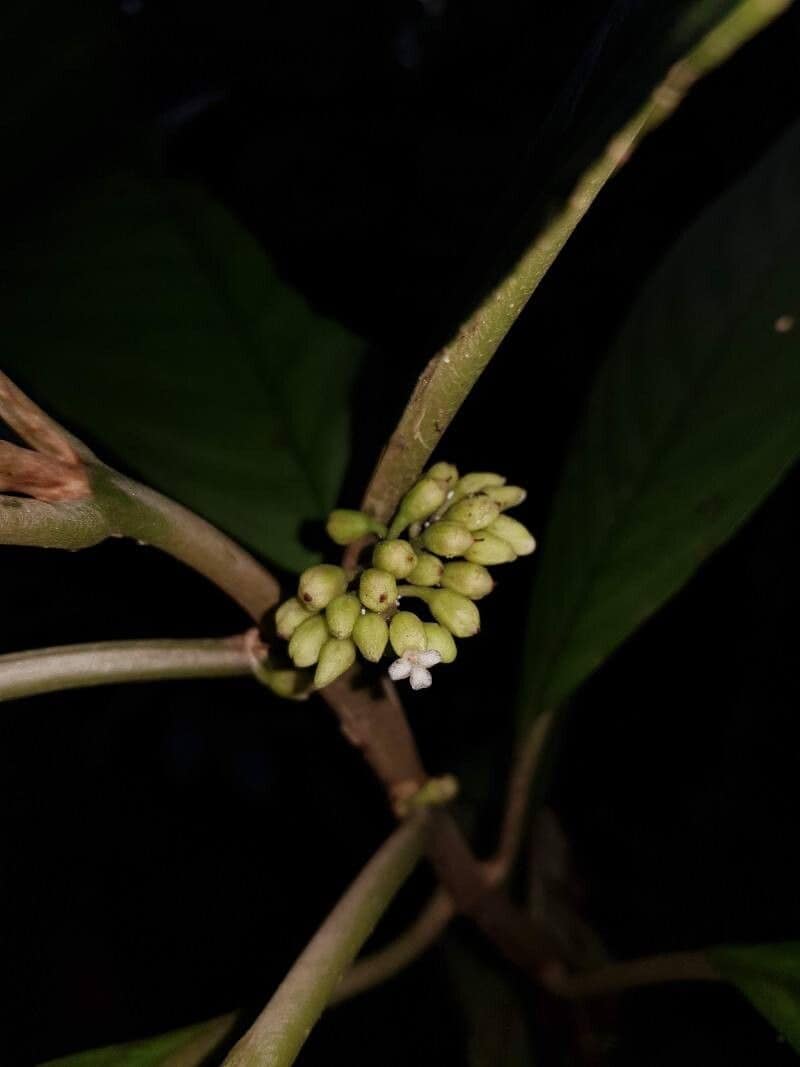
Unlocking the Secrets of Besleria Flavovirens Propagation: A Guide to Growing this Tropical Beauty
Besleria flavovirens, with its vibrant foliage and unique, drooping flowers, is a sight to behold. This tropical gem, hailing from the rainforests of Central and South America, adds a touch of exotic elegance to any collection. But if you’re eager to multiply your Besleria bounty or share its beauty, you’re in luck! Propagating this captivating plant is achievable, even for those new to plant parenthood.
This guide dives into the two primary methods for propagating Besleria flavovirens:
1. Stem Cuttings: A Journey from Snip to Root
Propagating from stem cuttings is the most common and reliable method for Besleria flavovirens. Here’s how to do it:
Timing is Everything: Spring and early summer, when the plant is actively growing, offers the highest chance of success.
Tools of the Trade:
- Sharp, sterilized pruning shears or scissors: Clean cuts prevent disease transmission.
- Rooting hormone (optional but recommended): Encourages faster and more robust root development.
- Well-draining potting mix: A blend of peat moss, perlite, and vermiculite works well.
- Small pots or trays: Choose a size that comfortably accommodates your cuttings.
Step-by-Step Guide:
- Select Healthy Stems: Look for non-flowering stems that are at least 4-6 inches long and exhibit vigorous growth.
- Take the Cutting: Using your sterilized shears, make a clean cut just below a leaf node (the point where the leaf attaches to the stem).
- Prepare the Cutting: Remove the lower leaves, leaving 2-3 leaves at the top. If using rooting hormone, dip the cut end into the powder.
- Plant Your Cutting: Make a small hole in the potting mix and gently insert the cutting. Firmly press the soil around the base to secure it.
- Create a Humid Environment: High humidity is crucial for successful rooting. Cover the pot with a clear plastic bag or use a humidity dome to trap moisture.
- Provide Bright, Indirect Light: Place your cuttings in a well-lit area, but avoid direct sunlight, which can scorch delicate new growth.
- Patience is Key: Keep the soil consistently moist but not waterlogged. Rooting can take 4-8 weeks, sometimes longer. You’ll know it’s working when you see new growth.
2. Layering: A More Gradual Approach
Layering involves encouraging roots to develop on a stem while it’s still attached to the parent plant. While less common than cuttings, it can be successful with Besleria flavovirens.
How It’s Done:
- Choose a Flexible Stem: Select a healthy stem long enough to reach the soil level.
- Wound the Stem: Carefully make a small wound or nick on the underside of the stem where it touches the soil.
- Bury the Wound: Bend the stem down and bury the wounded section in a nearby pot filled with well-draining potting mix. Use a small rock or landscape pin to hold the stem in place.
- Maintain Moisture: Keep the soil consistently moist.
- Wait for Roots: Rooting can take several weeks to months. Once new growth appears, carefully sever the layered stem from the parent plant.
A Few Final Tips for Success:
- Cleanliness is crucial: Sterilize your tools between cuts to prevent the spread of disease.
- Don’t give up too soon: Even if some cuttings don’t make it, keep at it.
- Enjoy the process!: Propagating plants is a rewarding endeavor. Take pride in nurturing new life and expanding your plant family.
With patience and care, you’ll soon have a flourishing collection of Besleria flavovirens, each telling a story of your nurturing touch and passion for these botanical beauties. Happy propagating!