
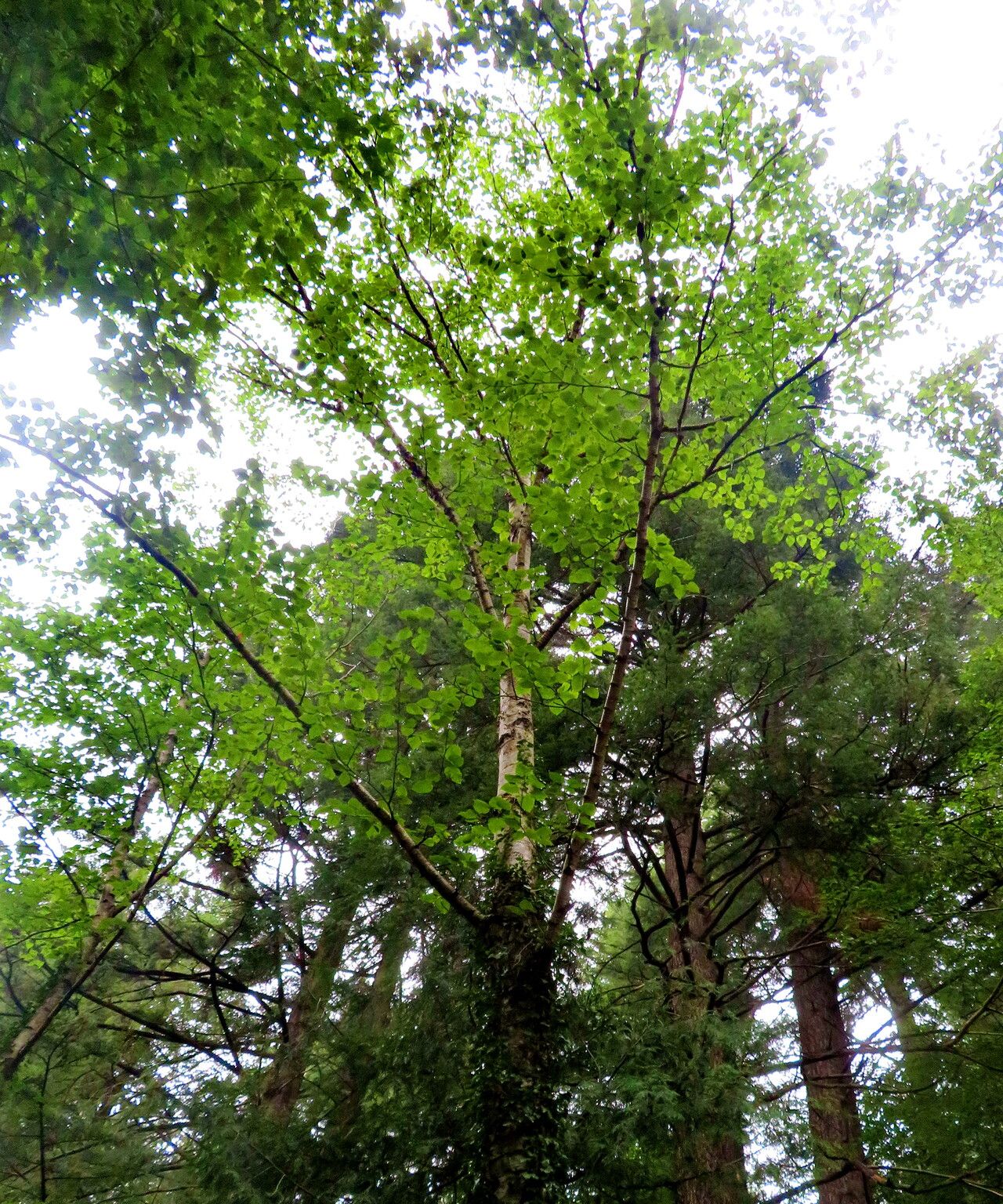
From Seed to Sapling: Mastering the Art of Propagating the Majestic Manchurian Birch
The Manchurian birch, or Betula maximowicziana, is a true showstopper. With its striking silver bark, graceful weeping branches, and vibrant fall foliage, it’s a prized addition to any landscape. But how can you bring this beauty into your own garden? The answer lies in understanding the art of plant propagation, specifically for this unique species.
A Glance at the Manchurian Birch’s Charm
Native to the mountainous regions of northeastern Asia, the Manchurian birch thrives in cool climates. Its bark, often described as “satin-smooth,” boasts a shimmering silver hue that truly sets it apart. In autumn, its leaves transform into a dazzling display of golden yellow, adding a touch of warmth to the landscape.
Understanding the Propagation Options
While you might find Manchurian birch saplings for sale, the journey of growing one from scratch is a rewarding experience. Two primary methods are employed for propagating this species:
- From Seed: This method requires patience but is highly satisfying. Manchurian birch seeds are typically harvested in the fall and need a period of stratification (cold treatment) before germination. This mimics their natural winter dormancy and promotes successful sprouting.
- From Cuttings: This technique involves taking a section of a healthy branch, known as a cutting, and encouraging it to develop roots. While it might seem more complex, it can be a quicker way to achieve a new Manchurian birch.
Sowing Seeds: A Journey of Patience
Here’s a step-by-step guide for propagating your Manchurian birch from seed:
- Collect Seeds: Collect ripe seeds from mature trees in the fall. These are small, winged structures found within the birch’s cone-like catkins.
- Stratification: Place the seeds in a sealed container filled with moist peat moss or vermiculite. Store this container in a cool environment (around 40 degrees Fahrenheit) for 3-4 months. This process mimics the natural cold conditions that trigger germination.
- Sowing: After stratification, sow the seeds in a well-drained seed tray filled with a mixture of potting soil and perlite. Ensure the seeds are covered with a thin layer of soil and kept moist.
- Germination: With appropriate care, the seeds should start germinating within a few weeks. Patience is key, and you may see the first sprouts emerge within a couple of months.
Taking Successful Cuttings:
Propagation through cuttings involves a slightly more advanced approach:
- Select Cutting Material: In mid-summer, take softwood cuttings from the tips of new growth. Opt for cuttings that are about 6 inches long and have at least three leaf nodes.
- Prepare the Cuttings: Remove the bottom leaves and dip the cut ends in rooting hormone.
- Planting: Insert the cuttings into a pot filled with a moistened mixture of equal parts perlite and potting soil. Cover the pot with a clear plastic dome or bag to create a humid environment.
- Root Development: Keep the rooting medium moist and in a shaded location. Roots should start to develop within 4-6 weeks.
Providing Optimal Conditions for Young Trees
Once your Manchurian birch seedlings or cuttings have established strong roots, they’re ready for transplanting into pots or directly into the ground. Ensure the planting site has well-drained soil and receives full sun or partial shade. Young trees require consistent watering, particularly during periods of drought.
Witnessing the Magic of Propagation
Whether you choose seeds or cuttings, propagating a Manchurian birch is a fulfilling endeavor. It’s a journey filled with anticipation and the joy of witnessing a new life emerge. As your young birch matures, you’ll be rewarded with a majestic tree that brings beauty and serenity to your landscape for years to come. Remember, patience, proper care, and a touch of magic are the key ingredients for successful propagation.