
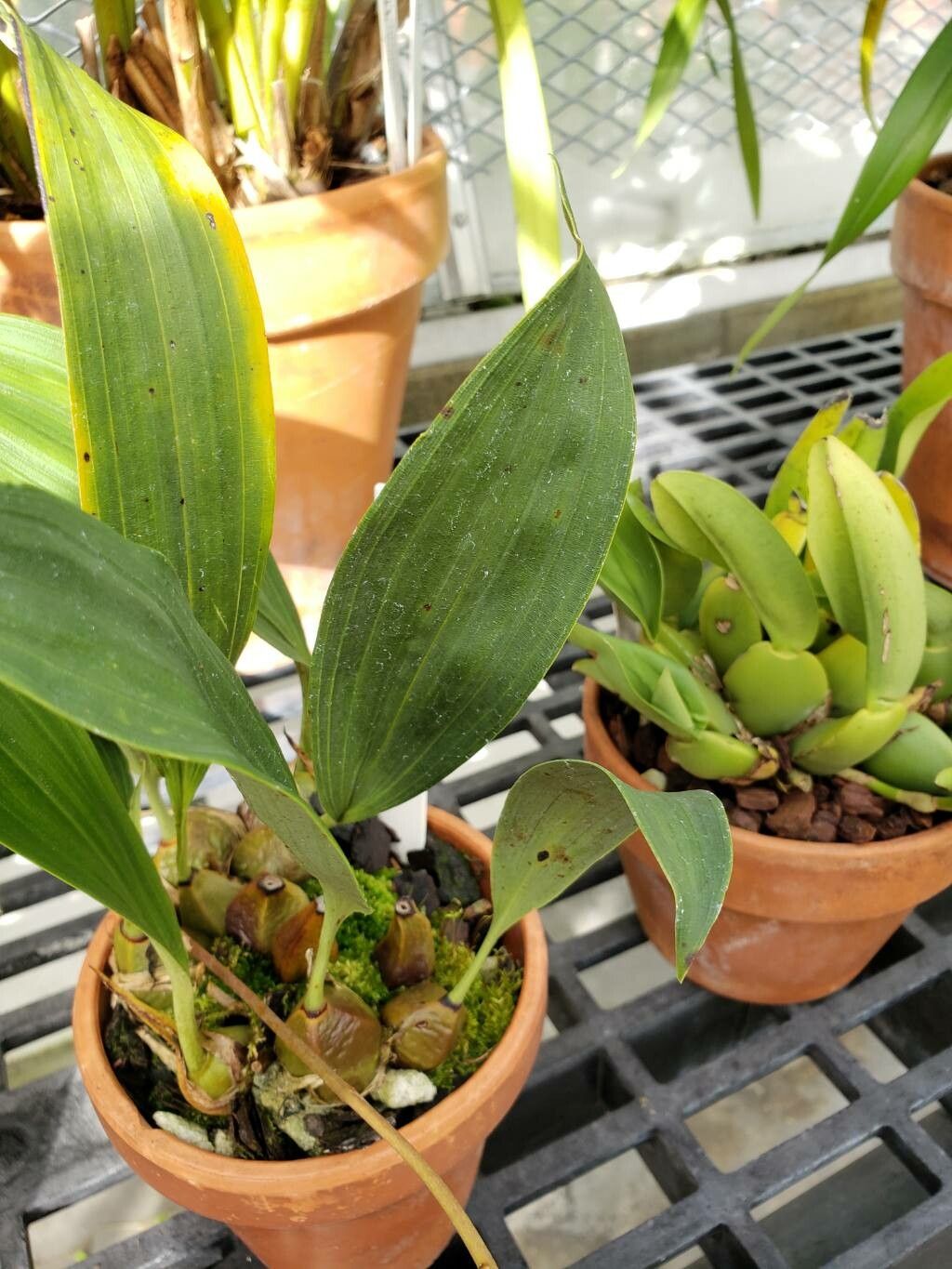
Unlocking the Golden Secret: Propagating Your Bifrenaria aureofulva
The Bifrenaria aureofulva, with its charming apricot-hued blooms and sweet fragrance, is a treasure coveted by orchid enthusiasts. While caring for this Brazilian beauty can be relatively straightforward, propagation often feels like venturing into uncharted territory. Fear not, fellow orchid aficionados! This guide delves into the techniques of multiplying your Bifrenaria aureofulva, unlocking its golden secret and filling your home with even more of its captivating presence.
Two Paths to Propagation: Unveiling the Options
Primarily, there are two ways to propagate your Bifrenaria aureofulva:
Division: This method involves separating mature, healthy plants to create new ones. It’s the most common and relatively easier technique, best suited for orchids that have formed multiple, clearly defined pseudobulbs connected by a rhizome.
- Seed Propagation: This approach, while considerably more complex and time-consuming, holds the alluring possibility of producing unique hybrids. It requires specialized knowledge, a sterile environment, and a dash of patience. Due to its complexity, we’ll focus on division in this post.
Division: A Step-by-Step Guide
Timing is Everything: The ideal time for division is during the plant’s active growth phase, typically in spring or early summer. Look for signs of new roots emerging from the base of the pseudobulbs.
Gather Your Tools: You’ll need:
- Sterilized Cutting Tool: Pruning shears or a sharp knife
- Potting Medium: Choose a well-draining mix specifically formulated for orchids.
- Pots: Select pots slightly larger than the divisions.
- Cinnamon or Charcoal Powder: These act as natural fungicides.
Let’s Divide:
Unpot and Inspect: Gently remove the orchid from its pot and examine the rhizome. Identify sections with at least 3-4 healthy pseudobulbs each.
Divide with Care: Using your sterilized cutting tool, carefully divide the rhizome, ensuring each section has a healthy root system attached.
Treat the Wounds: Dust the cut ends of both the parent plant and divisions with cinnamon or charcoal powder to prevent fungal infections.
Potting Time: Plant each division in a separate pot, ensuring the base of the pseudobulb sits slightly above the potting mix. Gently firm the medium around the roots.
- Post-Division Care: Place the newly potted divisions in a shaded area with high humidity. Water sparingly until you see signs of new growth, then gradually increase watering frequency.
Patience is Key: Remember, it might take some time for the divisions to adapt to their new environment and show signs of growth. Patience and consistent care are crucial during this period.
A Rewarding Endeavor: While division might seem daunting at first, the joy of successfully propagating your Bifrenaria aureofulva and watching new growths emerge is truly rewarding. With this guide, you’re well-equipped to embark on this fulfilling journey, multiplying your orchid collection and enhancing your enjoyment of this captivating species.