
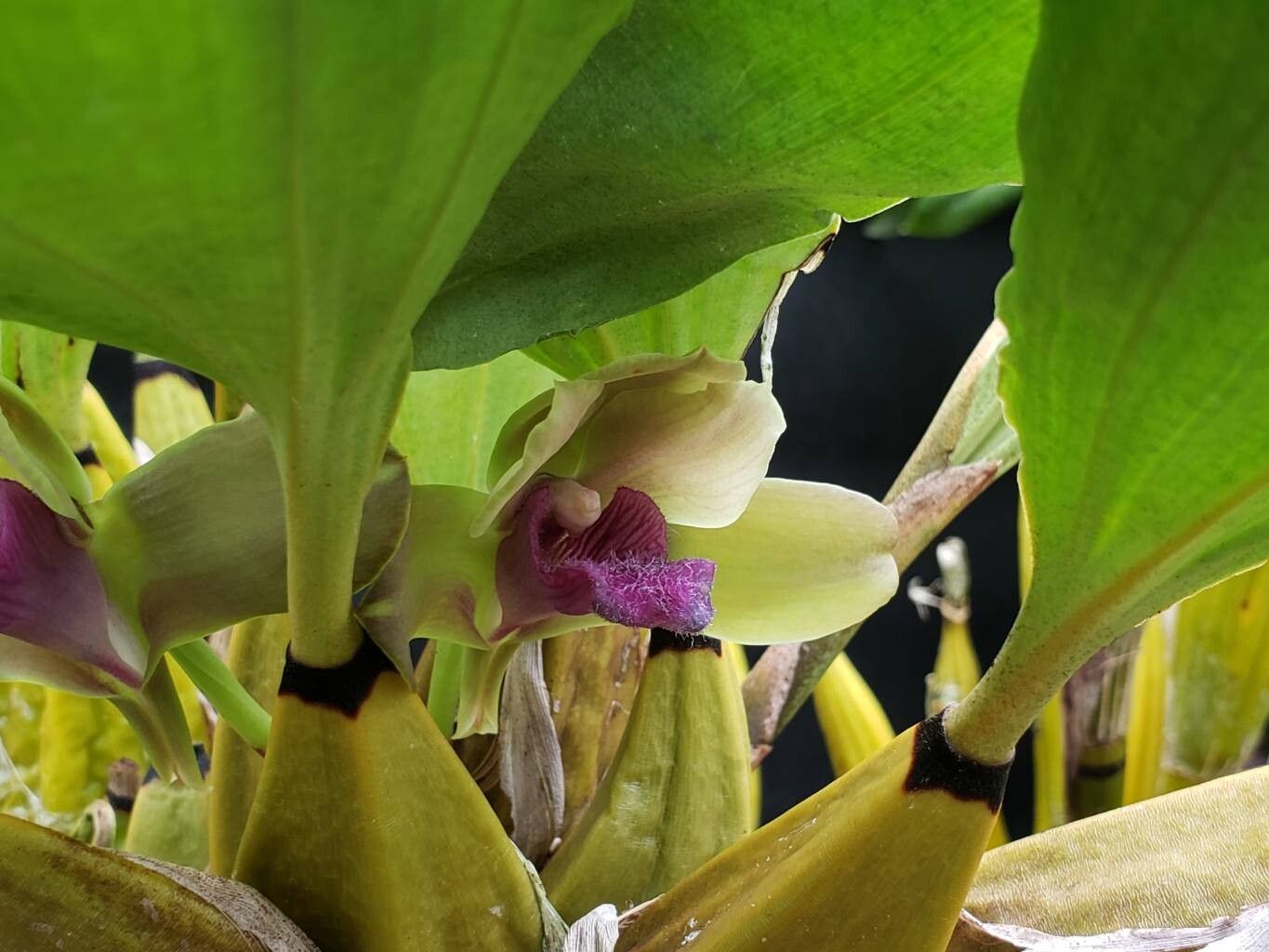
Unlocking the Secrets of Bifrenaria tyrianthina: A Guide to Propagation
Bifrenaria tyrianthina, with its vibrant, velvety purple blooms and delicate, captivating fragrance, is a sought-after orchid prized by collectors and enthusiasts alike. But acquiring this stunning species can be a challenge, as it’s not always readily available in nurseries. Thankfully, the beauty of orchids lies in their ability to multiply, and Bifrenaria tyrianthina is no exception.
This blog post will guide you through the captivating world of Bifrenaria tyrianthina propagation, offering a simplified yet effective approach to expanding your orchid collection.
Keiki Culture: A Journey of Rebirth
One of the most common and rewarding methods for propagating Bifrenaria tyrianthina is keiki culture. Keikis, meaning “baby” in Hawaiian, are miniature plantlets that emerge from the orchid’s stem, often at the base of the flower spike.
The Art of Encouraging Keiki Growth
The key to successful keiki culture lies in understanding the triggers that stimulate their development. Hormones play a vital role, and we can harness their power by:
- Creating Ideal Conditions: Provide your Bifrenaria tyrianthina with consistent high humidity, moderate to bright indirect light, and a well-draining substrate.
- Nurturing with a Touch: Lightly mist the plant’s stem and base regularly, particularly near the nodes where keikis are likely to appear.
- Harnessing the Power of Hormones: Commercial keiki paste, containing cytokinins, can be applied directly to the nodes to encourage keiki formation. However, use it sparingly, following the instructions carefully.
Patience is Key: Once keikis emerge, they need time to develop roots. Patience is crucial; avoid detaching them prematurely. Wait until they have several healthy roots, typically about 3-4 cm long.
Separating the Keikis: When the keikis are strong enough, gently detach them from the parent plant. Ensure you leave sufficient stem attached to the keiki.
Planting the New Beginnings: Plant the newly separated keiki in a small pot with well-draining orchid bark mix. Provide them with the same care as an adult Bifrenaria tyrianthina.
Division: A Method for Mature Plants
For mature Bifrenaria tyrianthina orchids with multiple pseudobulbs, division is another effective propagation technique.
The Skillful Division Process:
- Choosing the Right Time: Division is best carried out during the dormant period, typically after flowering, to minimize stress on the plant.
- Preparing for Division: Carefully remove the orchid from its pot, ensuring you don’t damage the delicate roots.
- Dividing the Plant: With sharp, sterilized knife or shears, divide the rhizome into sections, ensuring each section has at least three pseudobulbs.
- Repotting the New Plants: Plant each section in a fresh, well-draining potting mix, providing them with adequate moisture and light.
Remember: Although tempting, avoid dividing Bifrenaria tyrianthina too frequently. Division can disrupt the plant’s natural growth cycle and may weaken it.
Propagation Success Tips
- Sterile Equipment: Always use sterilized tools to prevent the spread of diseases during propagation.
- Suitable Environment: Provide your Bifrenaria tyrianthina with a well-ventilated, humid environment that mimics its natural habitat.
- Water Wisely: Water consistently but thoroughly, ensuring the potting mix dries out between waterings.
Beyond Reproduction – An Unforgettable Experience
Propagating Bifrenaria tyrianthina is not just about growing more plants; it’s an enriching experience. From the anticipation of keiki formation to the satisfaction of nurturing young plants, it’s a journey that deepens your connection with this unique orchid.
By following these simple guidelines, you can embark on the rewarding adventure of propagating Bifrenaria tyrianthina. Witnessing the emergence of new life and sharing the beauty of this stunning orchid with others is a testament to the wonder of nature and the joy of cultivation.