
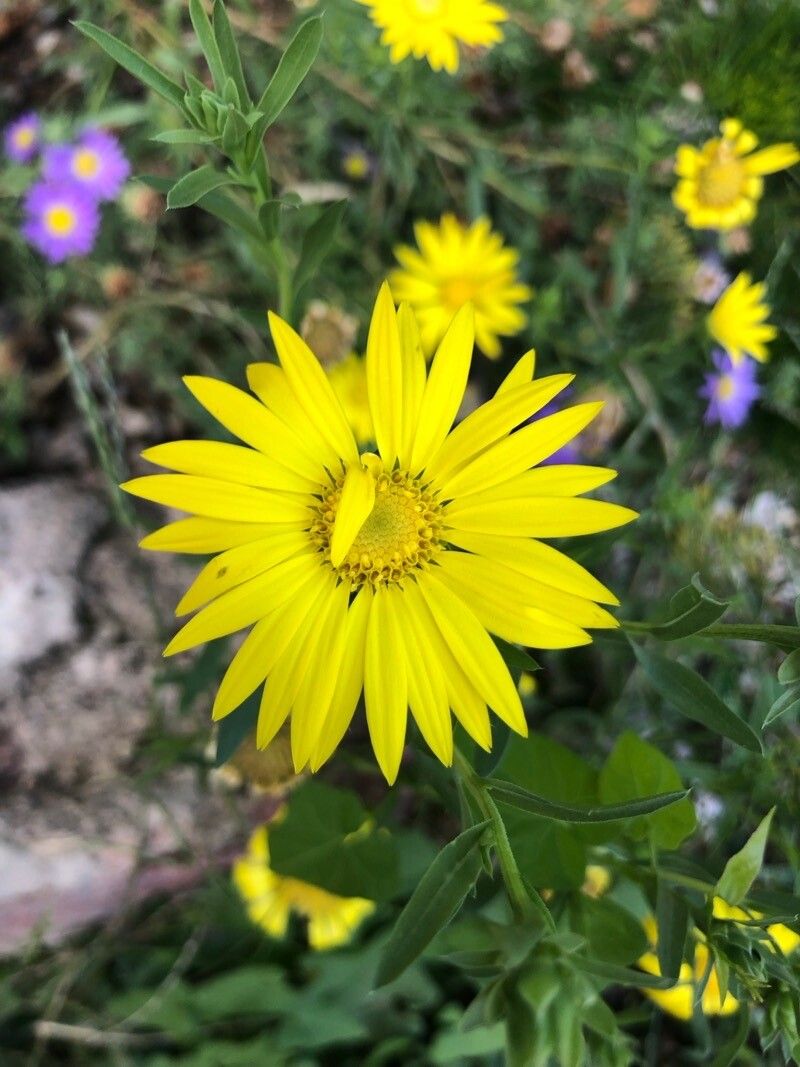
Nurturing Nuttall’s Goldenrod: A Guide to Propagation
Bigelowia nuttallii, commonly known as Nuttall’s goldenrod, is a beautiful perennial wildflower native to North America. With its striking, feathery plumes of golden yellow flowers that grace the late summer and fall landscape, it’s a wonderful addition to any garden seeking to attract pollinators and celebrate native flora. But how do you go about propagating this stunning species? Let’s delve into the world of Bigelowia nuttallii propagation!
Understanding Nuttall’s Goldenrod
Before embarking on the propagation journey, it’s essential to know a bit about the plant itself. Bigelowia nuttallii thrives in well-drained soils, typically found in prairies, meadows, and open woodlands. It prefers full sun to partial shade and is remarkably drought-tolerant once established. Understanding its natural habitat provides valuable clues for successful propagation.
Propagation Methods
Nuttall’s goldenrod can be propagated through two primary methods:
Seed Propagation: This method, while requiring a bit more patience, allows you to grow a greater number of plants.
- Seed Collection: Collect seeds in the fall after the flowers have faded and the seed heads have dried. Look for fluffy white seeds attached to the seed heads.
- Cold Stratification (Optional): While not strictly necessary, cold stratification can improve germination rates. Mix seeds with damp sand and store them in the refrigerator for 4-6 weeks.
- Sowing: In the spring, sow seeds directly in the garden after the last frost or start them indoors 6-8 weeks before the last frost. Scatter seeds on the soil surface, pressing them in gently without burying them. Keep the soil consistently moist but not waterlogged.
- Germination: Be patient, as germination can take several weeks.
- Division: Division is an excellent way to get a head start and is best done in spring or fall.
- Lifting the Clump: Carefully dig around the plant you wish to divide, ensuring you get a good root ball. Lift the entire clump out of the ground.
- Dividing the Roots: Using a sharp, clean knife or garden spade, divide the root ball into sections, ensuring each section has a healthy amount of roots and shoots.
- Replanting: Replant the divisions in prepared beds with well-drained soil. Water them in well and ensure they receive adequate moisture as they establish themselves.
Caring for Your Nuttall’s Goldenrod
Once you’ve successfully propagated your Bigelowia nuttallii, here are some tips to ensure they thrive:
- Watering: While drought-tolerant once established, regular watering, especially during the first year, is crucial. Water deeply but infrequently, allowing the soil to dry out slightly between watering.
- Soil: Well-drained soil is essential to prevent root rot. Amend heavy clay soils with compost or sand to improve drainage.
- Sunlight: Plant in a location that receives at least six hours of sunlight daily for optimal flower production.
- Pruning: Cut back the stalks to the ground in late fall or early spring to promote healthy new growth and maintain the plant’s shape.
Propagating Bigelowia nuttallii can be a rewarding experience, allowing you to enjoy the beauty of this native wildflower in your own garden. With a bit of knowledge and care, you can help ensure its continued presence in our landscapes for generations to come.