
Unlocking the Secrets: How to Propagate the Stunning Bignonia Hyacinthina
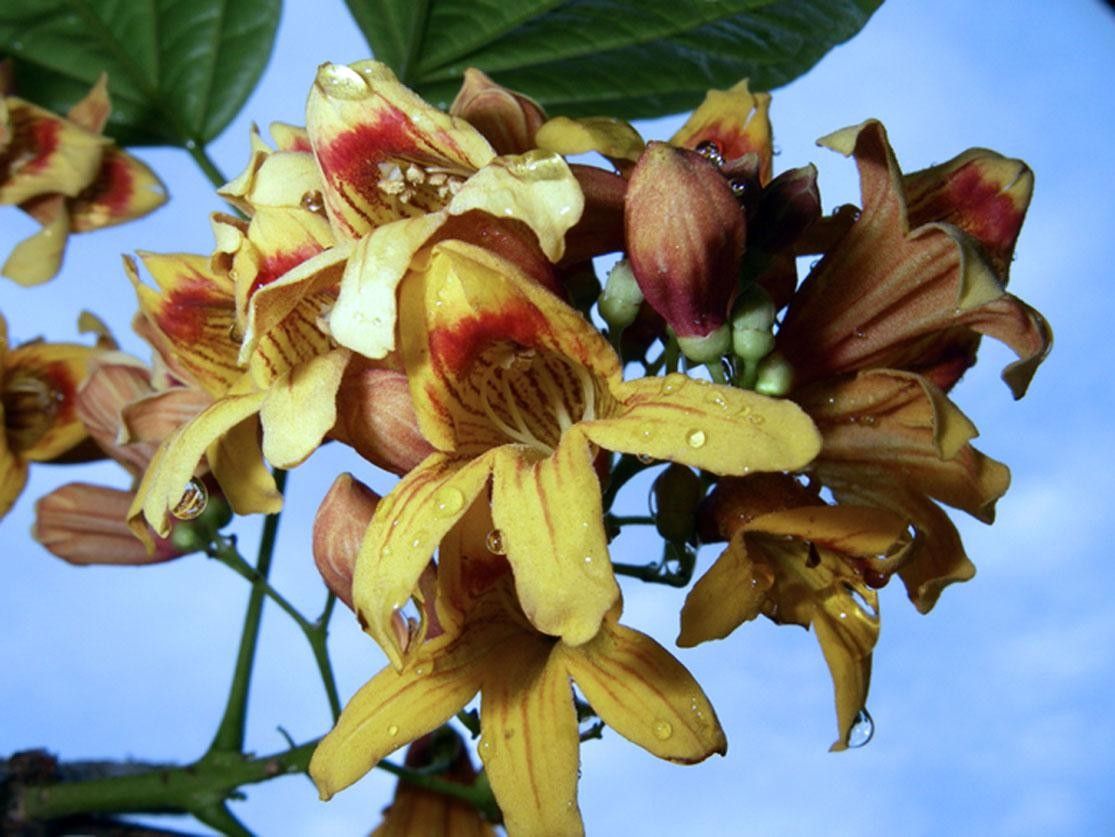
The Bignonia hyacinthina, with its cascade of mesmerizing, fragrant, purple blooms, is a true horticultural gem. But obtaining this beauty can sometimes be a challenge. Thankfully, you can easily bring this enchanting climber into your garden by mastering the art of propagation.
This blog post will guide you through the process of successfully propagating Bignonia hyacinthina, revealing the secrets to a flourishing vine.
Understanding the Options
There are two primary methods for propagating this plant:
- Cuttings: This method involves taking stem sections and encouraging them to develop roots. It’s relatively straightforward and can be done by anyone with a little know-how.
- Air Layering: This technique focuses on encouraging roots to form directly on the stem while still attached to the mother plant. It’s an excellent method for more challenging species, but may be slightly more complex than cuttings.
The Cutting Method: A Step-by-Step Guide
For the most successful results, focus your propagation efforts in early spring or late summer. This coincides with the plant’s active growing periods, giving your cuttings the best chance of rooting. Here’s a simplified guide:
- Selection: Choose a healthy, non-flowering stem tip from a mature Bignonia hyacinthina plant. The ideal length is around 6-8 inches.
- Preparation: Make a clean cut with sharp pruning shears, just below a leaf node (the area where leaves emerge). Remove the leaves from the bottom two inches of the cutting.
- Rooting Hormone: Dip the cut end into a rooting hormone powder or solution. This helps stimulate root growth.
- Planting: Insert the cutting into a pot filled with a rooting medium like a mix of peat moss and perlite. Ensure the bottom leaves are above the soil line.
- Maintenance: Place the pot in a bright location, but out of direct sunlight. Keep the soil consistently moist. A plastic dome or bag can help maintain humidity levels.
- Patience: It can take several weeks or even months for roots to develop. Check for new growth as a sign that rooting is successful.
Air Layering: For the More Experienced Gardener
While air layering is a more advanced technique, its results are often outstanding. It offers the advantage of producing a larger, more established plant from the start.
Here’s a simplified overview:
- Prepare the Stem: Choose a healthy, mature stem on the Bignonia hyacinthina plant. Make a shallow cut around the stem, removing a thin strip of bark.
- Application of Rooting Hormone: Apply rooting hormone powder or gel to the exposed area.
- Wrap and Moisturize: Cover the treated area with damp sphagnum moss and secure it with plastic wrap or aluminum foil.
- Regular Care: Keep the moss moist throughout the process. Several weeks later, roots should emerge.
- Separation: Once a healthy root system is established, sever the rooted section from the mother plant and pot it up to a suitable container.
Beyond the Basics: Tips for Success
- Choose the Right Time: Spring or late summer provides ideal conditions for propagation.
- Maintain Humidity: Cuttings and air layered sections thrive in a humid environment. Use a plastic dome, a bag, or mist regularly.
- Avoid Waterlogging: Too much moisture can lead to root rot. Ensure the potting mix is well-drained.
- Patience is Key: Give your cuttings ample time to root. Success comes with time and care.
With careful attention to these techniques, you can unlock the secrets of propagating Bignonia hyacinthina and bring this captivating climber into your garden, creating a breathtaking display of purple beauty. Remember, patience and a few simple steps can bring you closer to enjoying the enchanting bloom of this remarkable plant.