
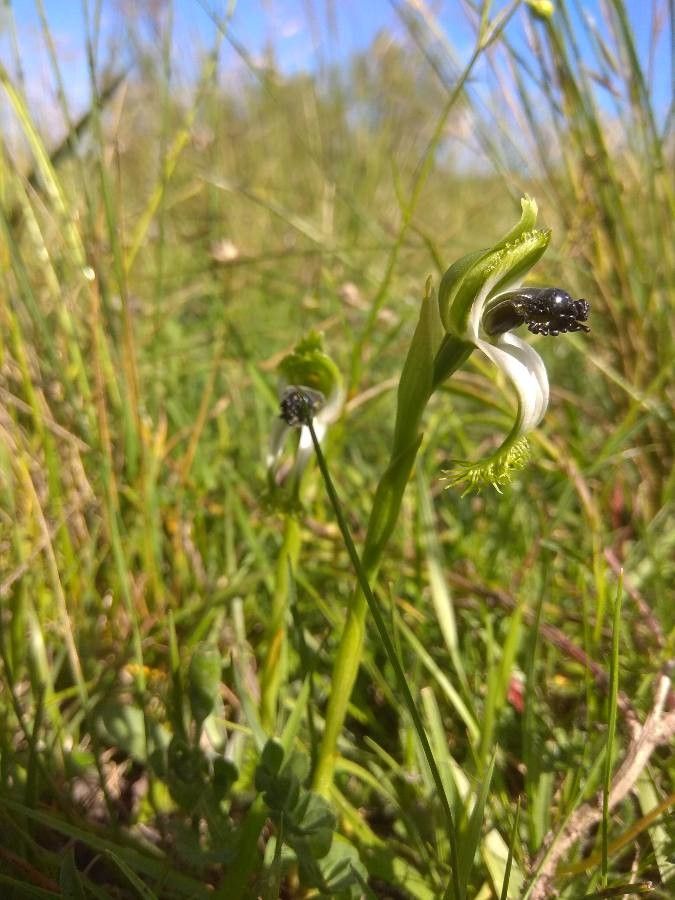
Unlocking the Secrets of the Bipinnula Polysyka: A Propagation Puzzle
The Bipinnula polysyka, a terrestrial orchid native to Chile, captivates with its intricate blooms and delicate beauty. Also known as the “Three-Leafed Bipinnula” for its characteristic foliage, this orchid presents a unique propagation challenge for enthusiasts. While commercially available, successfully cultivating this species from seed or division requires patience, specific knowledge, and a touch of green-thumb magic.
Seed Propagation: A Microscopic Marvel
Like most orchids, Bipinnula polysyka produces dust-like seeds lacking the typical endosperm found in many plants. This endosperm usually provides the necessary nutrients for germination. In the wild, these orchids rely on a symbiotic relationship with mycorrhizal fungi present in the soil. These fungi effectively “feed” the germinating seeds, allowing them to develop.
Recreating this symbiotic relationship in a home setting can be challenging. It involves:
- Obtaining Seeds: Sourcing seeds from reputable suppliers specializing in orchids is crucial.
- Preparing the Medium: A sterile, nutrient-poor medium, often agar-based with specific nutrient additives, is required. This mimics the natural environment and discourages competing fungi.
- Inoculation: Introducing the correct species of mycorrhizal fungi to the medium is a delicate process.
- Patience: Germination can take months, even years. Maintaining sterile conditions and providing the right humidity and light is vital.
Division: Propagating with Precision
Mature Bipinnula polysyka plants grow from underground tubers. While slower than seed propagation, division offers a more reliable propagation method for home growers:
- Timing is Key: The best time for division is after flowering, as the plant enters its dormant phase.
- Careful Extraction: Gently unearth the plant, ensuring minimal damage to the root system.
- Division Decisions: Look for healthy tubers with at least one growth point. Each division should have sufficient roots attached for independent survival.
- Repotting: Use a well-draining orchid mix and select a pot size that comfortably accommodates the divided tubers. Mimic natural growing conditions by providing adequate humidity and avoiding direct sunlight.
Challenges and Rewards:
Propagating Bipinnula polysyka, whether by seed or division, is not a task for the faint of heart. It demands dedication, research, and a willingness to adapt. However, the rewards are plentiful. Successfully cultivating this unique orchid from its initial stages, witnessing its growth cycle, and ultimately enjoying its exquisite blooms offers a fulfilling sense of accomplishment.
Exploring Further:
For those intrigued by the intricate world of Bipinnula polysyka propagation, further research is encouraged. Connecting with experienced orchid growers, joining online communities, and referring to specialized resources will provide invaluable insights and guidance on your journey to successfully cultivating this botanical treasure.