
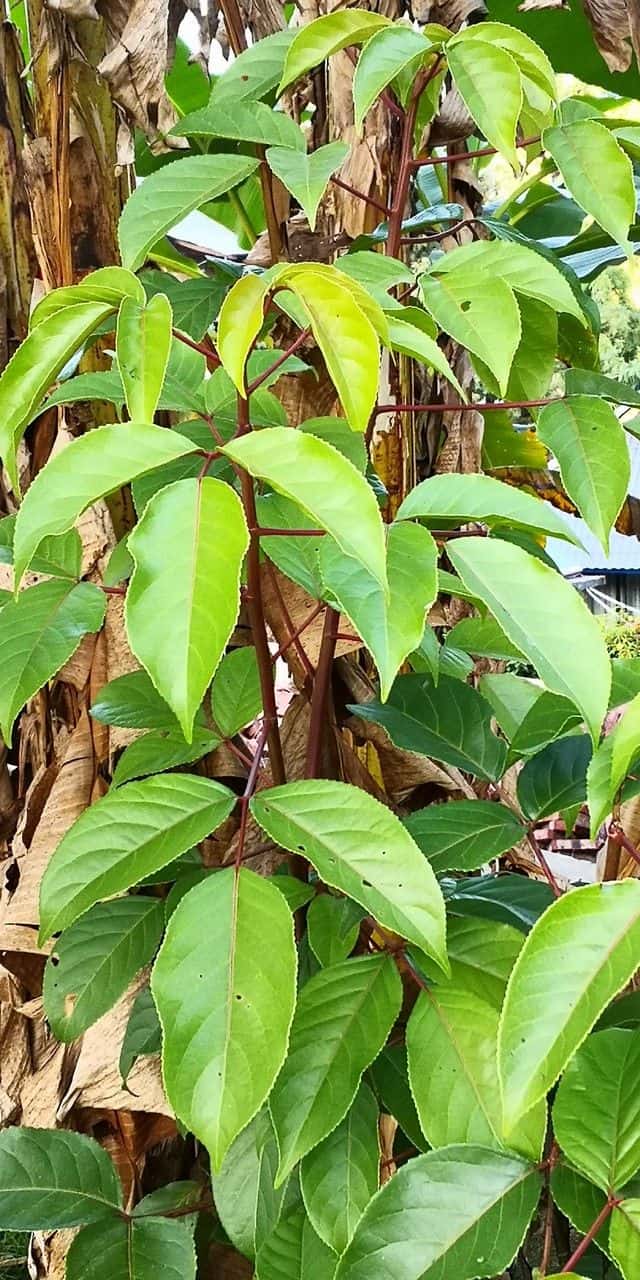
Unveiling the Secrets to Propagating the Versatile Bischofia Polycarpa
The Bischofia polycarpa, also known as the Java cedar or Toog tree, is a majestic tree native to Southeast Asia, renowned for its rapid growth and adaptability. This handsome tree, with its lush foliage and remarkable resilience, is a fantastic addition to any landscape.
While finding a Bischofia polycarpa sapling at your local nursery might be a rare stroke of luck, propagating this remarkable tree is surprisingly achievable, even for novice gardeners. Let’s delve into the secrets of multiplying your Bischofia polycarpa, unlocking its full potential in your garden.
Understanding the Bischofia Polycarpa
Before delving into propagation, it’s critical to understand what makes this tree tick. Bischofia polycarpa thrives in tropical and subtropical climates, showcasing a preference for full sun to partial shade and well-drained soil.
This resilient species can tolerate a range of conditions, including drought and poor soil, making it an adaptable choice for various landscapes. However, it’s crucial to provide sufficient space, as this fast-growing tree can reach impressive heights.
Propagation Techniques for Success
Bischofia polycarpa primarily reproduces through seeds, readily produced in abundance. Here’s a step-by-step guide to successful propagation from seed:
Seed Collection and Preparation:
- Collect mature, dry fruits directly from the tree during the fruiting season.
- Extract the seeds from the fruits and remove any fleshy pulp.
- Allow the seeds to dry thoroughly in a cool, shady location.
Breaking Dormancy (Optional): While not strictly necessary, scarification can accelerate germination. Gently rub the seeds with sandpaper to nick the outer layer, allowing water to penetrate more easily.
Sowing the Seed:
- Choose a well-draining seed-starting mix or prepare a mixture of peat moss and perlite.
- Plant the seeds at a depth of about half an inch.
- Water the soil gently, ensuring it’s moist but not waterlogged.
- Place the seed tray or pots in a warm, bright location, avoiding direct sunlight.
- Germination and Early Care:
- Germination typically takes 2-4 weeks, but it can vary depending on the conditions.
- Once the seedlings emerge, thin them out to provide adequate spacing for growth.
- Maintain consistent moisture, allowing the topsoil to dry slightly between waterings.
- Gradually introduce the seedlings to more sunlight as they grow stronger.
Beyond Seeds: Exploring Other Propagation Methods
While seed propagation is the most common method for Bischofia polycarpa, cuttings can be another viable option, especially for experienced gardeners.
- Cuttings: Take semi-hardwood cuttings about 4-6 inches long from healthy branches during the growing season. Apply rooting hormone to the cut end and plant them in a well-draining potting mix.
Propagating Your Bischofia Polycarpa: A Rewarding Endeavor
Propagating Bischofia polycarpa, though it requires patience and attention to detail, is a rewarding experience. From seed to sapling, witnessing the journey of this resilient tree unfolds a profound connection with nature’s cycles. As your Bischofia polycarpa flourishes, it serves as a testament to your nurturing efforts while enhancing your landscape with its unique beauty and resilience. So why not embark on this fulfilling endeavor and welcome the splendor of the Bischofia polycarpa into your garden?