
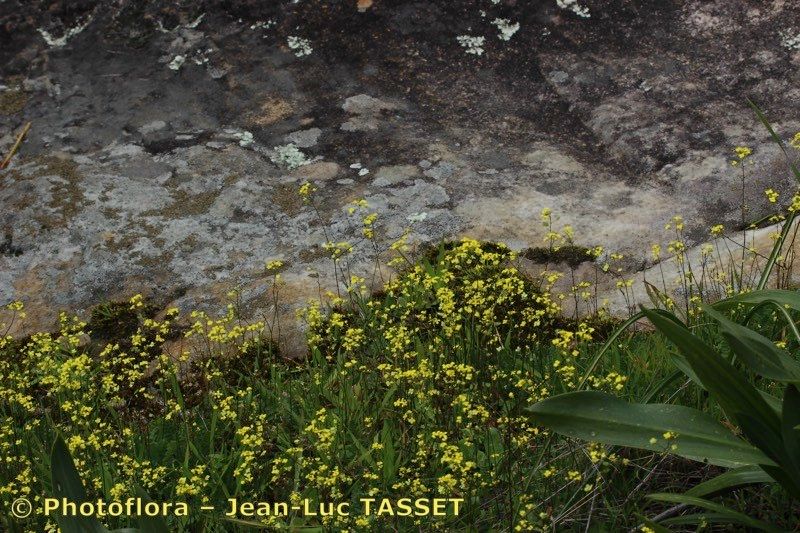
Unveiling the Secrets to Propagating the Lyre-Leaved Buckler Mustard (Biscutella lyrata)
The Lyre-Leaved Buckler Mustard, scientifically known as Biscutella lyrata, may not be as familiar as roses or tulips, but this charming member of the Brassicaceae family deserves a spot in more gardens. Its unique, lyre-shaped leaves, delicate yellow flowers, and drought-tolerant nature make it a delightful addition to rock gardens, borders, or wildflower meadows.
If you’re eager to invite this beauty into your own green haven, understanding how to propagate it is key. Luckily, the Lyre-Leaved Buckler Mustard offers both seed and cutting methods, allowing you to choose the approach that best suits your gardening style and resources.
Seed Starting: From Tiny Seeds to Resilient Sprouts
Timing is Everything: For optimal germination, sow your Biscutella lyrata seeds in early spring or late fall. These periods offer the coolness this species prefers for sprouting.
Prepare the Seedbed: Choose a well-drained soil mix and moisten it thoroughly. Scatter the seeds on the surface, pressing them gently for good contact, but avoid burying them deeply as they require light for germination.
Patience is a Green Thumb’s Virtue: Germination can take anywhere between 14 to 28 days. Keep the soil consistently moist but not waterlogged during this period.
- From Seedlings to Sturdiness: Once your seedlings emerge, thin them to provide adequate spacing for growth, aiming for a final distance of about 12-18 inches. This allows for healthy air circulation and prevents overcrowding.
Cuttings: Replicating Beauty from Stem to Root
Propagating Biscutella lyrata from cuttings can be slightly trickier than seed starting but offers a rewarding way to replicate a specific plant.
Timing is Key Once Again: The best time for taking cuttings is in the late spring or early summer during active growth periods.
Choose Wisely: Select healthy, non-flowering stems for your cuttings. Using a sharp, sterilized knife or pruning shears, cut a 3-4 inch section just below a leaf node.
Prepare the Cutting: Remove the lower leaves, leaving only a few at the top. Dip the cut end in rooting hormone to encourage faster root development (optional but beneficial).
Potting and Patience: Plant the cutting in a well-draining soil mixture and maintain a consistently moist environment. Placing a plastic bag loosely over the pot can create a mini greenhouse effect, promoting humidity.
- Signs of Success: In a few weeks, you’ll notice new growth emerging, signifying successful rooting. Gradually acclimatize the young plant to outdoor conditions before transplanting it to its permanent location.
Nurturing Your Lyre-Leaved Buckler Mustard
Regardless of your chosen propagation method, providing the right care is essential for your Biscutella lyrata to thrive. It prefers full sun to partial shade and well-drained soil. Once established, it is quite drought-tolerant, requiring watering only during prolonged dry spells. Deadheading spent blooms will encourage further flowering and prevent self-seeding if you wish to control its spread.
Propagating the Lyre-Leaved Buckler Mustard may require a touch of patience, but the reward of its unique foliage and cheerful yellow flowers adorning your garden is well worth the effort. So why wait? Embark on your propagation journey and enjoy the charm this resilient beauty brings to your outdoor space!