
Unveiling the Secrets: How to Propagate the Evergreen Spoonwort (Biscutella sempervirens)
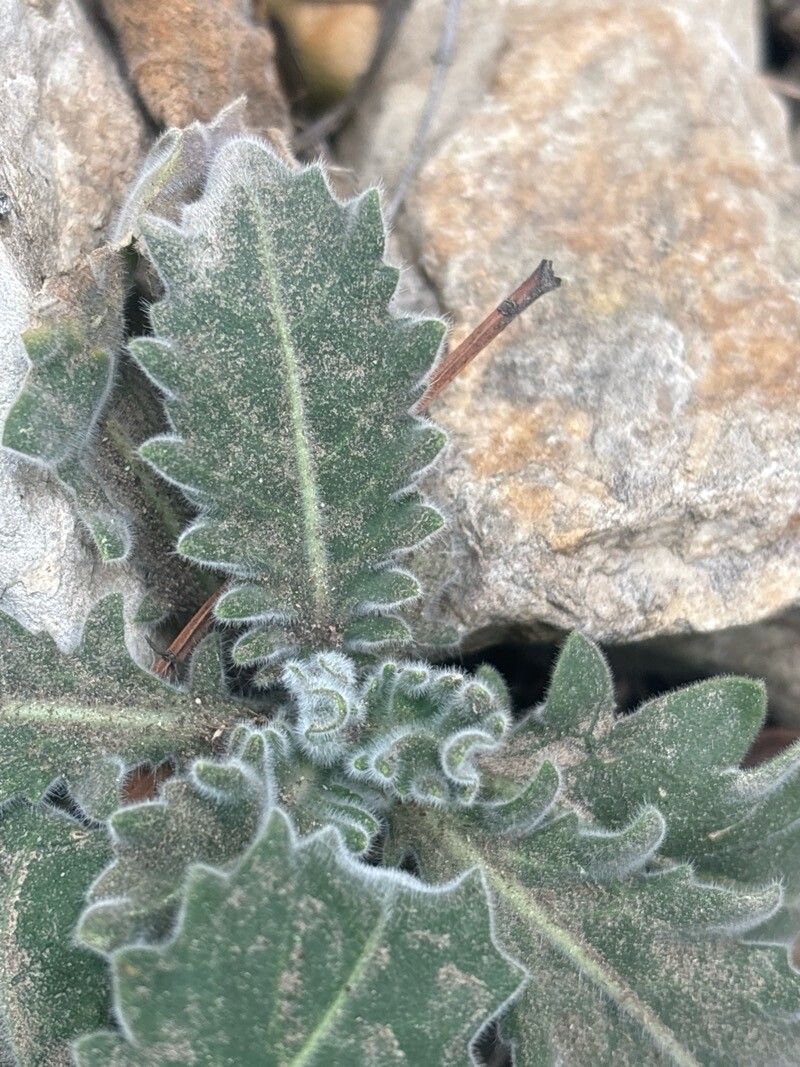
The Evergreen Spoonwort, scientifically known as Biscutella sempervirens, with its charming rosettes of fuzzy leaves and cheerful yellow blooms, is a welcome addition to any rock garden or Mediterranean planting scheme. But have you ever thought about propagating this hardy perennial? While relatively low-maintenance, understanding the nuances of Biscutella sempervirens propagation can be your key to multiplying its presence in your garden.
This guide will unveil the secrets of successfully propagating Biscutella sempervirens, ensuring you have a flourishing patch of these beauties for years to come.
Two Paths You Can Take:
Biscutella sempervirens can be propagated in two ways: by seed or by cuttings. Each method comes with its own set of advantages and caters to different preferences.
1. Starting from Seed: An Adventure in Patience
Propagating Biscutella sempervirens from seed is a rewarding experience, albeit one that requires a touch of patience. Here’s how to embark on this journey:
- Timing is Key: Sow your seeds in early spring or late summer, providing enough time for establishment before the harsh weather sets in.
- Sowing the Seeds: Use a well-draining seed starting mix and scatter the seeds on the surface, pressing them gently. Remember, these seeds need light to germinate.
- Moisture and Warmth: Keep the soil consistently moist but not waterlogged. A warm, bright location out of direct sunlight is ideal for germination.
- Transplanting: Once the seedlings have developed a couple of true leaves, they are ready to be transplanted to individual pots or directly into your garden.
2. Taking Cuttings: A Quicker Route to Success
If you’re looking for a faster method, propagating Biscutella sempervirens from cuttings is the way to go:
- Choosing the Right Cuttings: In late spring or early summer, take basal cuttings (those emerging from the base of the plant) that are about 3-4 inches long.
- Preparing the Cuttings: Remove the lower leaves, leaving only a couple at the top. Dip the cut end in rooting hormone (optional but beneficial).
- Planting the Cuttings: Insert the cuttings into a pot filled with a well-draining potting mix. Keep the soil moist and place the pot in a brightly lit area, away from direct sunlight.
- Rooting and Transplanting: After a few weeks, gently tug on the cutting – resistance indicates successful rooting. Once the cuttings are well-rooted, you can transplant them into your desired location.
Caring for Your New Propagations:
Regardless of the method you choose, your newly propagated Biscutella sempervirens will thrive with the following care:
- Well-Drained Soil: Ensure your chosen location or pot has excellent drainage to prevent waterlogging and root rot.
- Sunlight Requirements: Plant in a spot that receives at least 6 hours of sunlight per day for optimal growth and flowering.
- Watering Wisely: Water regularly during the first year, gradually reducing frequency as the plant establishes itself. Allow the soil to dry out slightly between waterings.
- Fertilizing Needs: Biscutella sempervirens are not heavy feeders but will benefit from a light application of balanced fertilizer in spring.
Multiply the Beauty:
Propagating Biscutella sempervirens is a gratifying way to expand your garden’s charm while gaining a deeper understanding of this resilient plant’s life cycle. Whether you choose to start from seed or take cuttings, remember to provide the right care, and soon, you’ll be rewarded with a flourishing display of these evergreen beauties.