
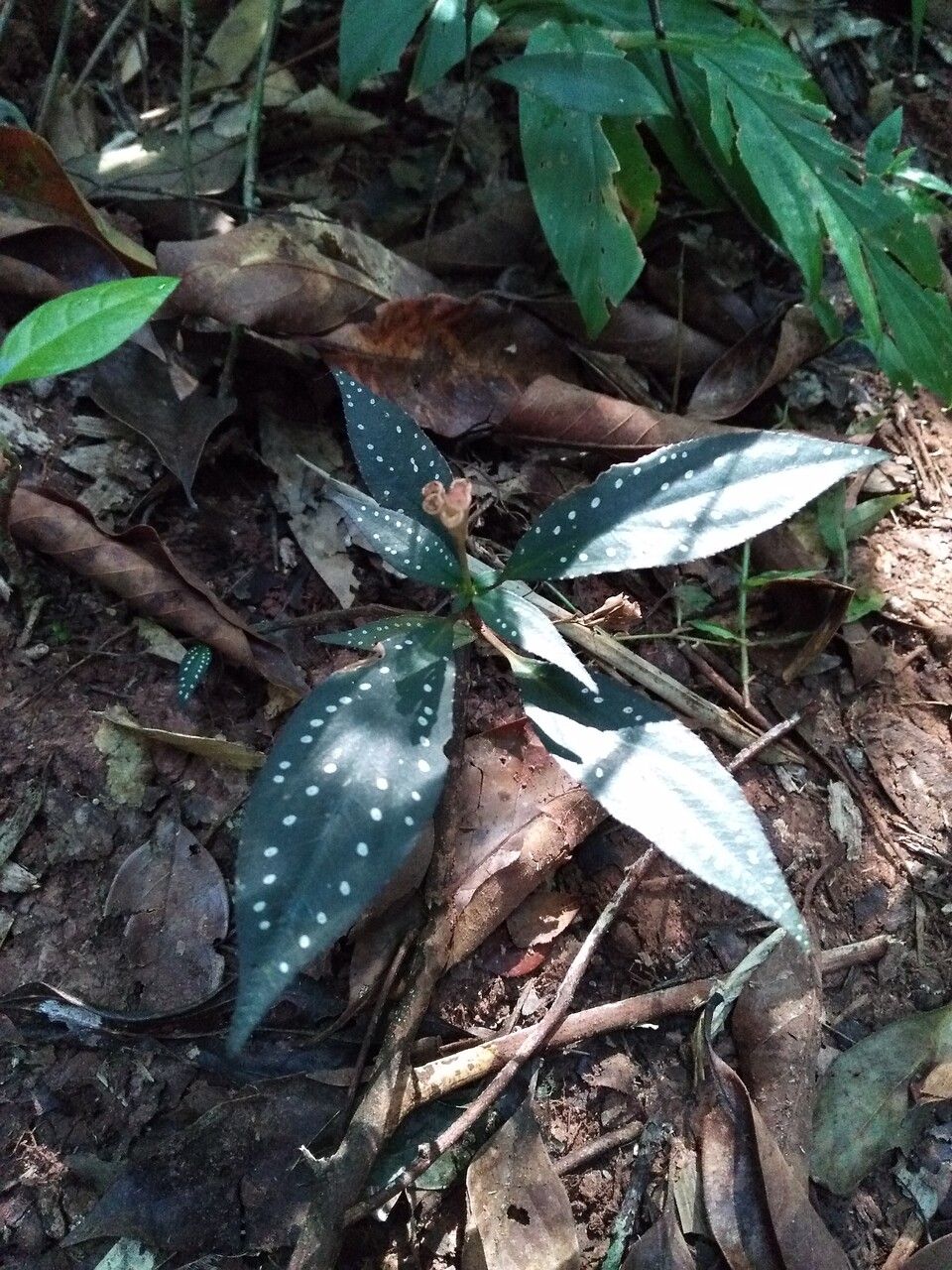
Unlocking the Secrets of the Chinese Violet: A Propagation Guide to Blastus cochinchinensis
The Chinese Violet, scientifically known as Blastus cochinchinensis, is a charming evergreen groundcover boasting delicate purple flowers and lush green foliage. Native to Southeast Asia, this resilient plant is celebrated not only for its beauty but also for its purported medicinal properties in traditional medicine.
If you’ve been captivated by the allure of Blastus cochinchinensis, you might be wondering how to welcome more of this enchanting plant into your garden. Fear not, propagating the Chinese Violet is a relatively straightforward process, offering both novice and seasoned gardeners the joy of expanding their green haven.
Two Paths to Propagation:
1. The Art of Stem Cuttings:
This method involves encouraging a piece of the parent plant to develop roots and grow into an independent plant. Here’s how:
- Timing is Key: Choose healthy stems from spring to early summer when the plant is actively growing.
- Making the Cut: Using sterilized pruning shears, snip off a stem section about 3-4 inches long, just below a leaf node (where the leaf joins the stem).
- Prepare for Growth: Remove the lower leaves, leaving only a couple at the top. This directs the plant’s energy towards root development.
- Hormone Boost (Optional): Dip the cut end in rooting hormone powder to encourage faster root growth.
- Planting Time: Plant the cuttings in a well-draining potting mix, burying the node where you removed the leaves.
- Creating a Humid Haven: Cover the pot with a plastic bag or use a humidity dome to create a warm, moist environment. This helps prevent the cuttings from drying out.
- Patience is a Virtue: Place the pot in a bright location, out of direct sunlight. Keep the soil consistently moist but not waterlogged. Roots usually develop within 4-6 weeks.
2. The Magic of Layering:
Layering is another effective technique for propagating Blastus cochinchinensis. It involves encouraging roots to grow from a stem while it’s still attached to the parent plant.
- Selecting the Layer: Choose a healthy, flexible stem close to the ground.
- Wounding the Stem: Gently wound the underside of the stem by making a small cut or scrape.
- Encouraging Root Growth: Apply rooting hormone (optional) to the wounded area.
- Bury and Secure: Bend the wounded section of the stem carefully and bury it in the soil, securing it with a small stake or rock. The tip of the stem should remain above the soil.
- Patience Again: Keep the soil consistently moist. After a few months, gently tug on the layered stem. Resistance indicates successful rooting. You can then sever the layered stem from the parent plant and transplant it.
Nurturing Your New Chinese Violet Progeny:
Once your new plants are well-rooted and showing signs of new growth, it’s time to give them a little extra care:
- Gradually Acclimate: If using a humidity dome or plastic cover, gradually acclimate the young plants to the open air by removing the cover for increasingly longer periods each day.
- Potting Up: Once the roots fill the current pot, transplant them into larger containers or directly into your garden.
- Ideal Conditions: Provide them with well-drained soil, partial shade, and regular watering – allowing the topsoil to dry slightly between waterings.
Propagating Blastus cochinchinensis is a rewarding experience, allowing you to multiply your collection of this beautiful and intriguing plant. With a little patience and care, you can enjoy its delicate charm in multiple corners of your indoor or outdoor space.