
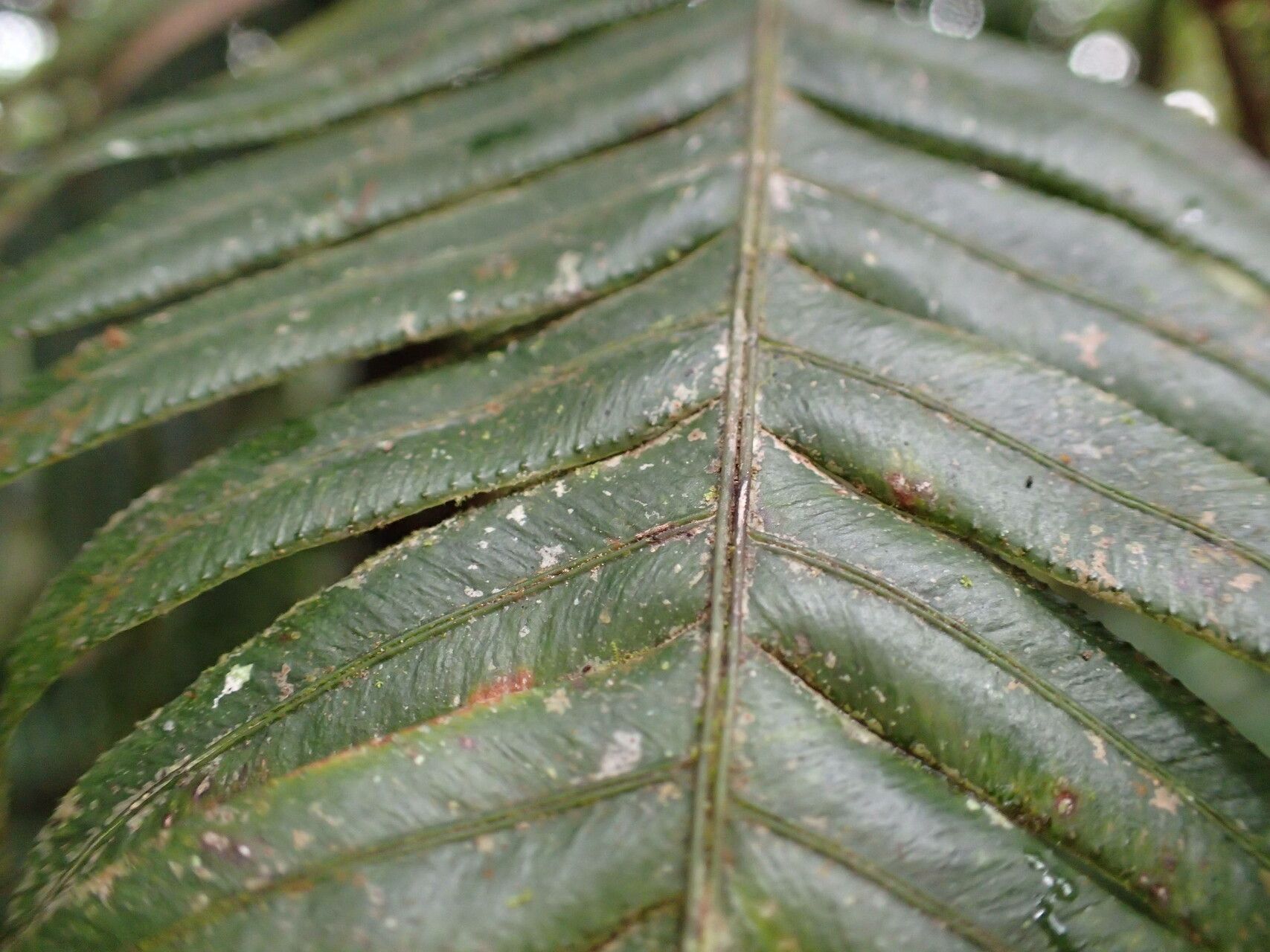
Propagating the Slender Blechnum: A Gardener’s Guide to Blechnum binervatum
Introduction:
Blechnum binervatum, commonly known as the slender blechnum or fork fern, is a captivating fern prized for its elegant, arching fronds and graceful habit. Its delicate, lanceolate leaves impart a refined texture to any garden setting, making it a popular choice among fern enthusiasts. However, propagating this species can present unique challenges, demanding patience and a keen understanding of its specific needs. While its propagation from seed is largely unexplored, other techniques offer rewarding, albeit sometimes tricky, pathways to cultivate more of this attractive plant.
Seed Germination:
Currently, there are no known reliable methods for seed germination propagation of Blechnum binervatum. While the plant does produce spores, germination rates are extremely low, and successful cultivation from spore to mature plant remains largely undocumented in horticultural literature. Further research is needed to determine if specific environmental conditions or pre-treatment techniques could improve germination success.
Cuttings:
Propagating Blechnum binervatum from cuttings is also generally considered unreliable. Unlike some ferns that readily propagate from stem cuttings, this species shows poor regenerative capabilities from cuttings taken from its fronds or rhizomes. While some anecdotal evidence suggests limited success with rhizome divisions (discussed below), specialized techniques and high humidity levels are likely necessary, making it a challenging propagation method.
Division:
Division of mature Blechnum binervatum plants is the most practical and reliable propagation method. The plant forms clumps through its rhizomatous growth, allowing for the division of these clumps into smaller sections, each containing established roots and fronds.
Challenges: The main challenge lies in carefully separating the rhizomes without damaging them. Overly forceful division can result in significant root damage, leading to the death of the divided portions.
Practical Tips: Division is best performed in spring or early summer. Use a sharp, clean knife or spade to divide the clump, ensuring each section retains a healthy root system and several fronds. Plant the divisions immediately in well-draining, humus-rich soil, keeping them moist but not waterlogged.
Rewards: Division offers a relatively straightforward method to increase the number of plants, maintaining the genetic traits of the parent plant. It’s the most efficient method for home gardeners seeking to expand their population of slender blechnums.
Tissue Culture:
Tissue culture offers a potentially promising but technically demanding approach to propagating Blechnum binervatum.
Challenges: Tissue culture requires specialized equipment, a sterile environment, and expertise in plant tissue culture techniques. Developing an optimal media formulation for Blechnum binervatum would likely require significant experimentation.
Practical Tips: Success hinges on developing a suitable nutrient medium, selecting appropriate explants (tissue samples), and maintaining strict aseptic conditions throughout the process. Experienced tissue culture laboratories are best equipped to undertake this method.
Rewards: Tissue culture allows for mass propagation of genetically identical plants, offering potential for large-scale commercial production and the preservation of rare or desirable genotypes.
Conclusion:
Propagating Blechnum binervatum presents varying levels of difficulty, depending on the chosen method. While seed germination and cuttings prove largely unsuccessful, division offers a relatively simple, reliable approach for home gardeners. Tissue culture presents a more complex, but potentially high-yield, option for commercial or advanced hobbyists. The inherent challenges involved add a satisfying element of accomplishment to the process. Successfully nurturing a propagated slender blechnum from a small division or a tissue culture sample embodies the reward of patience and dedication. While the journey might be demanding, the graceful beauty of this delicate fern makes the effort undeniably worthwhile for any dedicated fern enthusiast.