
More Than Meets the Eye: Multiplying the Beauty of Blephilia Ciliata
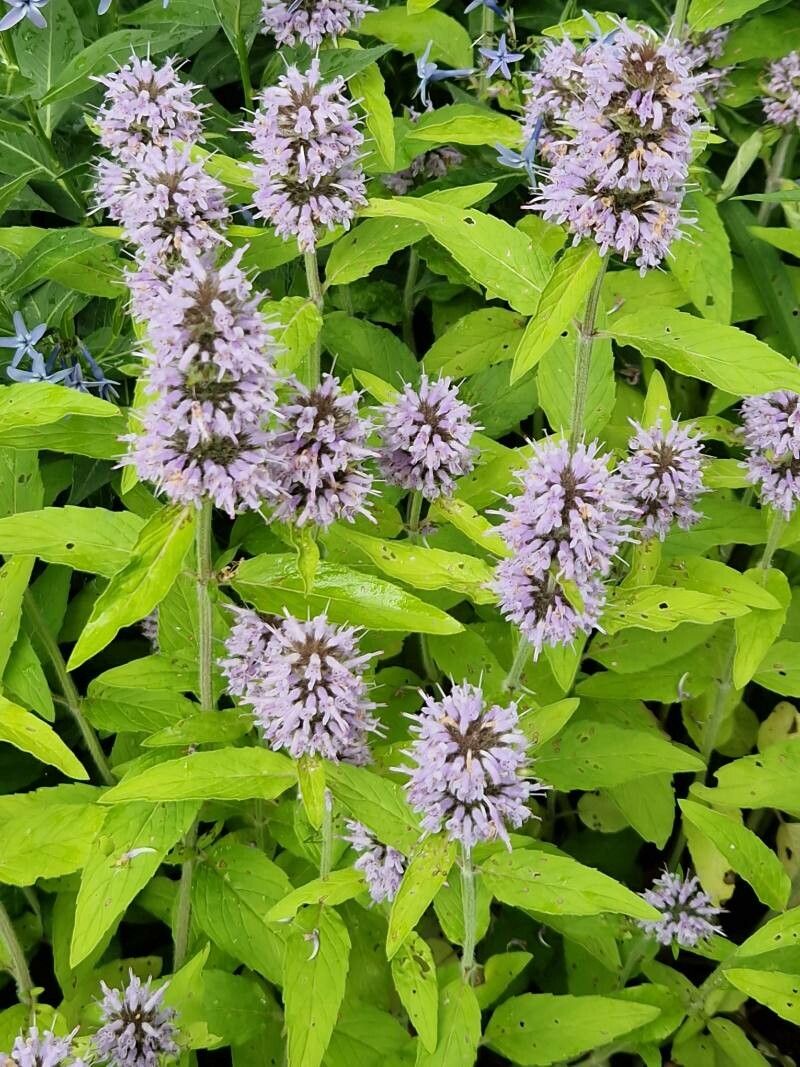
Blephilia ciliata, known more commonly as Downy Wood Mint, is a garden treasure often overlooked. This North American native boasts vibrant lavender blooms, a compact habit, and a delightful minty fragrance – a trifecta of garden goodness. But what truly makes this plant special is how easy it is to propagate, allowing you to multiply your stock and share its charm far and wide.
This article explores the various methods for propagating Blephilia ciliata, offering you the tools to cultivate more of this delightful plant, whether you’re a seasoned gardener or just starting.
1. Division – The Gift that Keeps on Giving
The most straightforward propagation method for Blephilia ciliata is division. This technique involves splitting an established plant into smaller sections, each containing roots and shoots. Spring or early fall, when the soil is moist, offers the ideal conditions for division.
- Steps:
- Carefully dig up your Blephilia ciliata, ensuring you get a good amount of the root system.
- Using a sharp, clean garden knife or spade, carefully divide the plant into sections. Ensure each section has a healthy amount of roots and several stems.
- Replant the divisions at the same depth they were growing, ensuring adequate spacing (about 12-18 inches apart) to allow for future growth.
- Water thoroughly after planting and keep the soil consistently moist until the divisions are established.
2. Seed Starting – From Tiny Beginnings to Blooming Beauties
While Blephilia ciliata readily self-seeds in the garden, starting seeds indoors offers greater control over timing and variety. The best time to sow indoors is about 6-8 weeks before the last expected frost.
- Steps:
- Fill seed starting trays with a well-draining seed starting mix.
- Sprinkle the seeds thinly over the surface and lightly press them into the soil. Blephilia seeds need light for germination, so avoid burying them deeply.
- Mist the soil with water and keep it consistently moist.
- Provide a warm environment for germination, ideally around 70-75°F (21-24°C).
- Once the seedlings have developed a few sets of true leaves, they can be transplanted into individual pots or directly outdoors after the risk of frost has passed.
3. Stem Cuttings – Cloning Your Garden Favorites
For gardeners looking to create numerous new plants, taking stem cuttings is another effective method.
- Steps:
- In the late spring or early summer, choose healthy, non-flowering stems.
- Using a sharp, clean knife or pruners, cut a 4-6 inch section just below a leaf node.
- Remove the lower leaves, leaving only 2-3 pairs at the top.
- Dip the cut end in rooting hormone (optional, but beneficial) and plant it in a pot filled with a moist, well-draining potting mix.
- Cover the pot with a clear plastic bag to retain humidity and place it in a bright location out of direct sunlight.
- Keep the soil consistently moist but not waterlogged.
- After several weeks, gently tug on the stem to check for resistance, indicating root development. Once rooted, the cutting can be transplanted to a larger pot or outdoors.
Sharing the Joy of Blephilia Ciliata
Propagating Blephilia ciliata is an immensely rewarding experience. It allows you to expand your garden with minimal effort and create a haven for pollinators who’ll flock to the nectar-rich blooms. So roll up your sleeves, choose your preferred method, and enjoy the process of bringing more of this beautiful and beneficial plant into your life!