
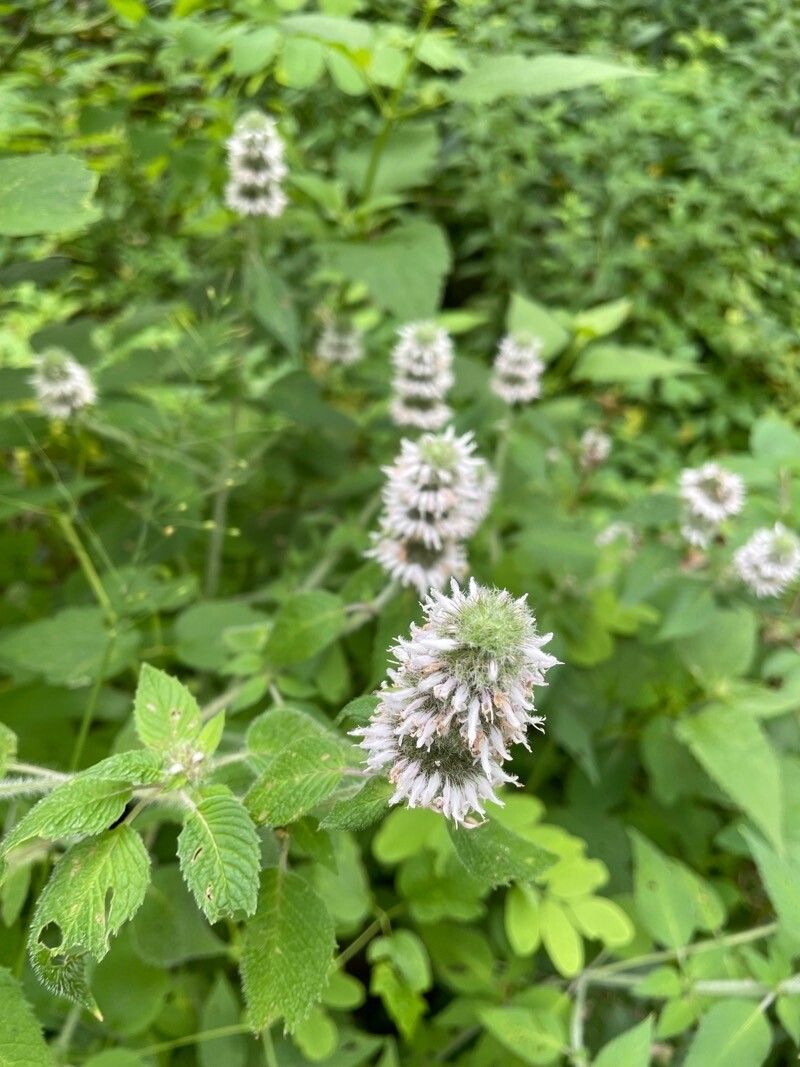
Taming the Wild Beauty: Propagating Hairy Wood Mint (Blephilia hirsuta)
Hairy wood mint, or Blephilia hirsuta, might not be the first name that springs to mind when you think of garden-worthy blooms, but this North American native is a hidden gem. With its delicate lavender flowers, aromatic foliage, and ability to attract a plethora of pollinators, hairy wood mint deserves a spotlight in your garden. And the best part? It’s surprisingly easy to propagate, allowing you to multiply your floral bounty!
Three Paths to Propagation:
Hairy wood mint offers flexibility when it comes to propagation. You can choose the method that best suits your resources and comfort level:
1. Seed Starting: A Rewarding Journey
- Timing is Key: Start your seeds indoors 6-8 weeks before the last expected frost. This gives them a head start and ensures healthy plants for transplanting.
- Sow with Care: Use a seed starting mix and lightly press the seeds onto the surface, barely covering them.
- Light and Warmth: Provide bright, indirect light and a consistent temperature of around 70°F (21°C).
- Transplanting Triumph: Once the danger of frost has passed and your seedlings have two sets of true leaves, harden them off gradually by introducing them to outdoor conditions for increasingly longer periods. Then, plant them in their permanent location.
2. Division: Sharing is Caring
For established plants, division is an effective way to create new ones.
- Digging Deep: In early spring or fall, carefully dig up a healthy clump of hairy wood mint.
- Separation Anxiety (for the Plant): Gently tease apart the root ball into smaller sections, ensuring each division has a good amount of roots and shoots.
- Replant and Rejoice: Replant the divisions at the same depth they were originally growing and water them well.
3. Cuttings: A Snip in the Right Direction
- Timing Matters: Take cuttings in late spring or early summer from healthy, non-flowering stems.
- Cut with Precision: Make a clean cut below a leaf node, about 3-4 inches long. Remove the lower leaves.
- Rooting Hormone (Optional): While not strictly necessary, dipping the cut end in rooting hormone can increase success rates.
- The Waiting Game: Plant the cuttings in a well-draining potting mix and keep them consistently moist. Place them in a bright location, but out of direct sunlight.
- Signs of Success: After a few weeks, gently tug on a cutting to see if it resists. Resistance indicates roots have formed.
Care Tips for Your New Progeny:
- Sun and Soil: Hairy wood mint thrives in partial shade to full sun and prefers moist, well-drained soil.
- Water Wisely: Keep the soil consistently moist, but avoid overwatering, which can lead to root rot.
- Deadheading Delight: Pinching back spent flowers encourages bushier growth and can prolong the blooming period.
Propagating hairy wood mint is a fulfilling endeavor, allowing you to expand your garden and share this charming native plant with others. With a bit of patience and care, you’ll be rewarded with a beautiful display of lavender blooms and the delightful hum of happy pollinators.