
Unveiling the Secrets of Akee Propagation: From Seed to Supper
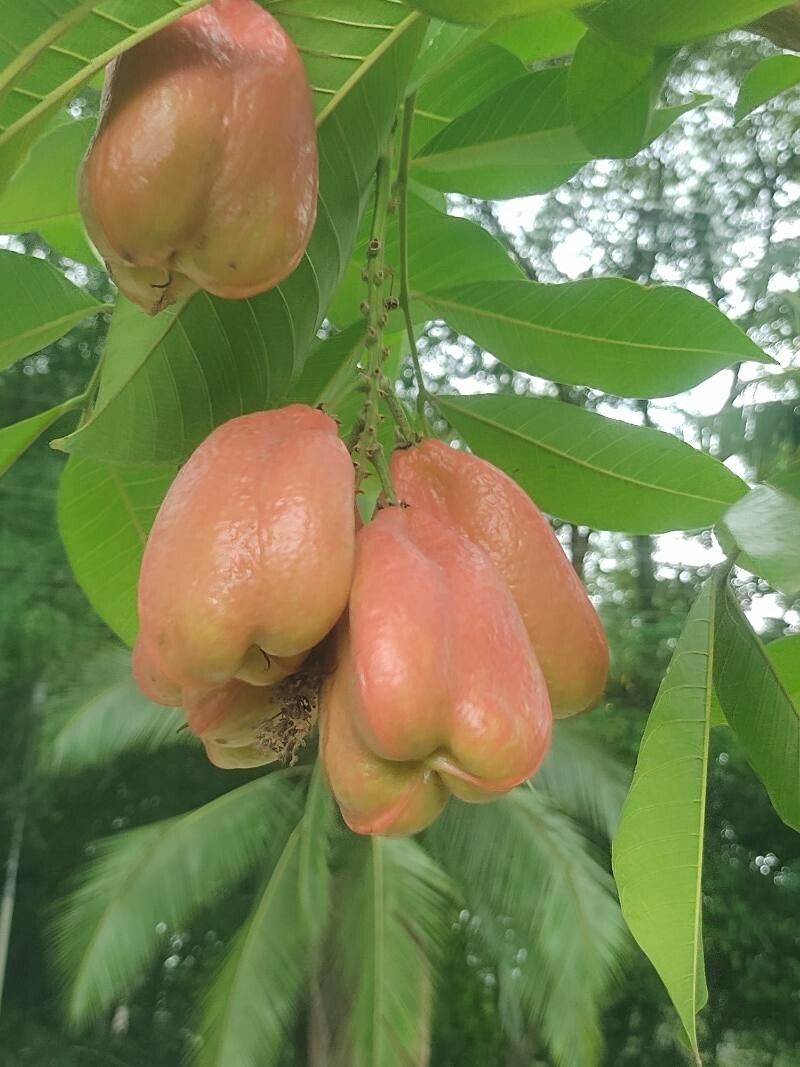
The akee fruit (Blighia unijugata), with its vibrant red shell and uniquely flavored arils, is a prized delicacy in many Caribbean nations. But did you know that this exotic tree can be more than just a culinary delight? With a bit of patience and know-how, you can propagate your very own akee tree and experience the joy of nurturing it from seed to harvest.
Two Roads to Akee: Seed vs. Grafting
While akee trees naturally propagate through seeds, achieving successful germination and growth requires a bit of a green thumb. Let’s explore the two main methods of akee propagation:
1. Seed Propagation: A Test of Time and Technique:
While akee seeds are relatively easy to obtain, they come with a catch: they lose viability quickly. Freshly harvested seeds offer the highest chance of success. Look for plump, healthy seeds still encased in their reddish-brown pods. Here’s a step-by-step guide to seed propagation:
- Preparation is Key: Soak the seeds in water for 24 hours to soften the outer shell and encourage germination.
- Well-Drained Haven: Plant each seed about 1 inch deep in a small pot filled with a well-draining seed starting mix.
- Warmth and Humidity: Akee seeds enjoy warmth and humidity. Place the pots in a warm, bright location, and consider covering them with a humidity dome or plastic wrap to retain moisture.
- Patience is a Virtue: Germination can take anywhere from a few weeks to a couple of months. Don’t lose hope if you don’t see sprouts immediately.
- Strong Beginnings: Once the seedlings develop a few sets of true leaves, you can transplant them into larger pots or directly into the ground if you live in a suitable climate.
2. Grafting: A Shortcut to Fruitfulness:
Grafting offers a faster and more reliable method of akee propagation, particularly for ensuring fruit production. This technique involves fusing a cutting (scion) from a mature, fruiting akee tree onto the rootstock of a seedling or another akee variety. While grafting requires more skill and precision, it offers numerous advantages:
- Faster Fruiting: Grafted trees bear fruit much sooner than those grown from seed, often within 2-3 years.
- Preserved Characteristics: Grafting ensures that the new tree will inherit the desired traits of the parent tree, such as fruit size, flavor, and disease resistance.
Grafting is best undertaken by experienced gardeners or under expert guidance.
Nurturing Your Akee Sapling: Tips for Success:
No matter your chosen propagation method, providing the right growing conditions is crucial for your akee sapling to thrive:
- Sun Worshippers: Akee trees flourish in full sun to partial shade.
- Warmth is Key: These tropical beauties prefer warm temperatures and thrive in USDA hardiness zones 10-11.
- Well-Drained Soil: Choose fertile, well-drained soil with a slightly acidic to neutral pH.
- Regular Watering: Water regularly, especially during dry periods, but avoid overwatering, which can lead to root rot.
- Patience is Key: Akee trees can take several years to mature and produce fruit.
From Seedling to Signature Dish:
Propagating your own akee tree is a rewarding experience that connects you with the cultural heritage of this fascinating fruit. Whether you choose the patient path of seed propagation or the skillful technique of grafting, nurturing an akee tree is a testament to your gardening prowess and a step towards enjoying the unique flavors of this tropical treasure.