
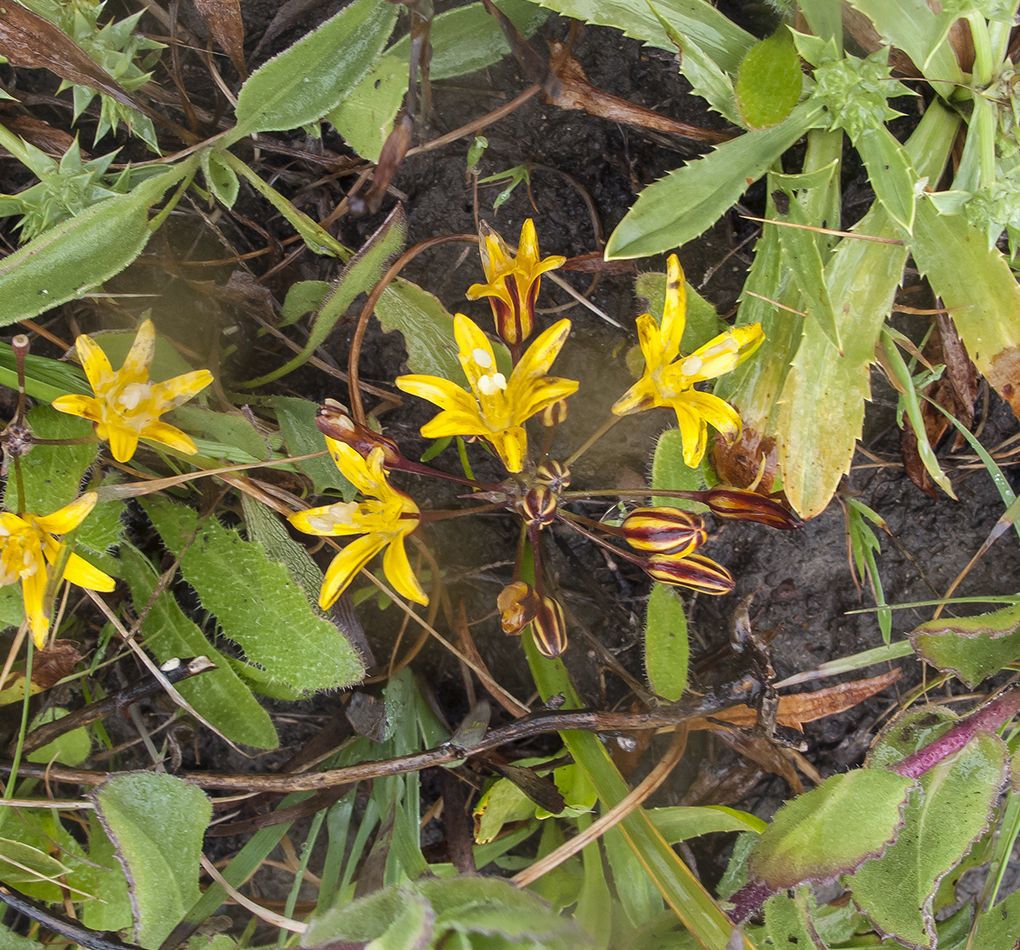
Bringing Home the Bloom: Propagating Bloomeria humilis
The Bloomeria humilis, also known as the dwarf goldenstar, might be small in stature, but it packs a punch when it comes to vibrant, sunny blooms. Native to California, this charming bulb enjoys a moment in the sun before retreating for its summer dormancy. But did you know that getting more of these cheerful blooms for your garden is easier than you think? Let’s dive into the world of Bloomeria humilis propagation!
Two Routes to Golden Glory
You have two primary options when it comes to propagating Bloomeria humilis:
Seeds: A Journey of Patience and Reward
Collecting seeds from your Bloomeria humilis is the first step on this rewarding journey. After the flowers fade, allow the seed pods to dry completely on the plant. You’ll know they’re ready when they turn brown and start to split open. Harvest the seeds and store them in a cool, dry place until fall or early winter.
Sowing the Seeds: Use a well-draining seed starting mix and sow the seeds shallowly, lightly covering them. Bloomeria humilis seeds need light to germinate, so ensure they’re not buried deeply. Mist the soil regularly, keeping it evenly moist but not waterlogged. Patience is key here! Germination can take anywhere from a few weeks to a couple of months.
Nurturing the Seedlings: Once your seedlings have a couple of true leaves, you can begin fertilizing them with a diluted liquid fertilizer. Gradually acclimate them to outdoor conditions before transplanting them to their permanent location in the garden. Be prepared for a wait – it can take a few years for your seedlings to mature and produce their first blooms.
Offsets: A Shortcut to Floral Abundance
Bloomeria humilis are generous with producing offsets – small bulbs that develop around the parent bulb. These little clones offer a quicker path to expanding your Bloomeria colony.
Dividing the Offsets: The best time for division is after the foliage dies back in late spring or early summer when the plant enters dormancy. Carefully dig up the clump, being sure to get the entire root system. Gently separate the offsets from the parent bulb, ensuring each offset has some roots attached.
Replanting for Success: Replant the offsets immediately in well-draining soil, at the same depth they were originally growing. Water them in well, and watch for new growth in the following spring. These offsets will often bloom faster than seedlings, rewarding your efforts with a vibrant display in a shorter time.
A Few Tips for Success:
- Well-draining soil is crucial: Bloomeria humilis bulbs are prone to rot in waterlogged conditions. Choose a location with excellent drainage or amend your soil with sand or grit to improve drainage.
- Sun is a must: While Bloomeria humilis can tolerate some light shade, they thrive in full sun. Aim for at least 6 hours of direct sunlight per day for optimal blooming.
- Don’t overwater: Remember that these beauties are drought tolerant once established. Water deeply but infrequently, allowing the soil to dry out slightly between waterings.
Propagating Bloomeria humilis might seem daunting at first, but with a little patience and care, you can multiply these delightful flowers, transforming your garden into a sea of cheerful golden stars year after year. So go forth and propagate—your future self (and your garden) will thank you!