
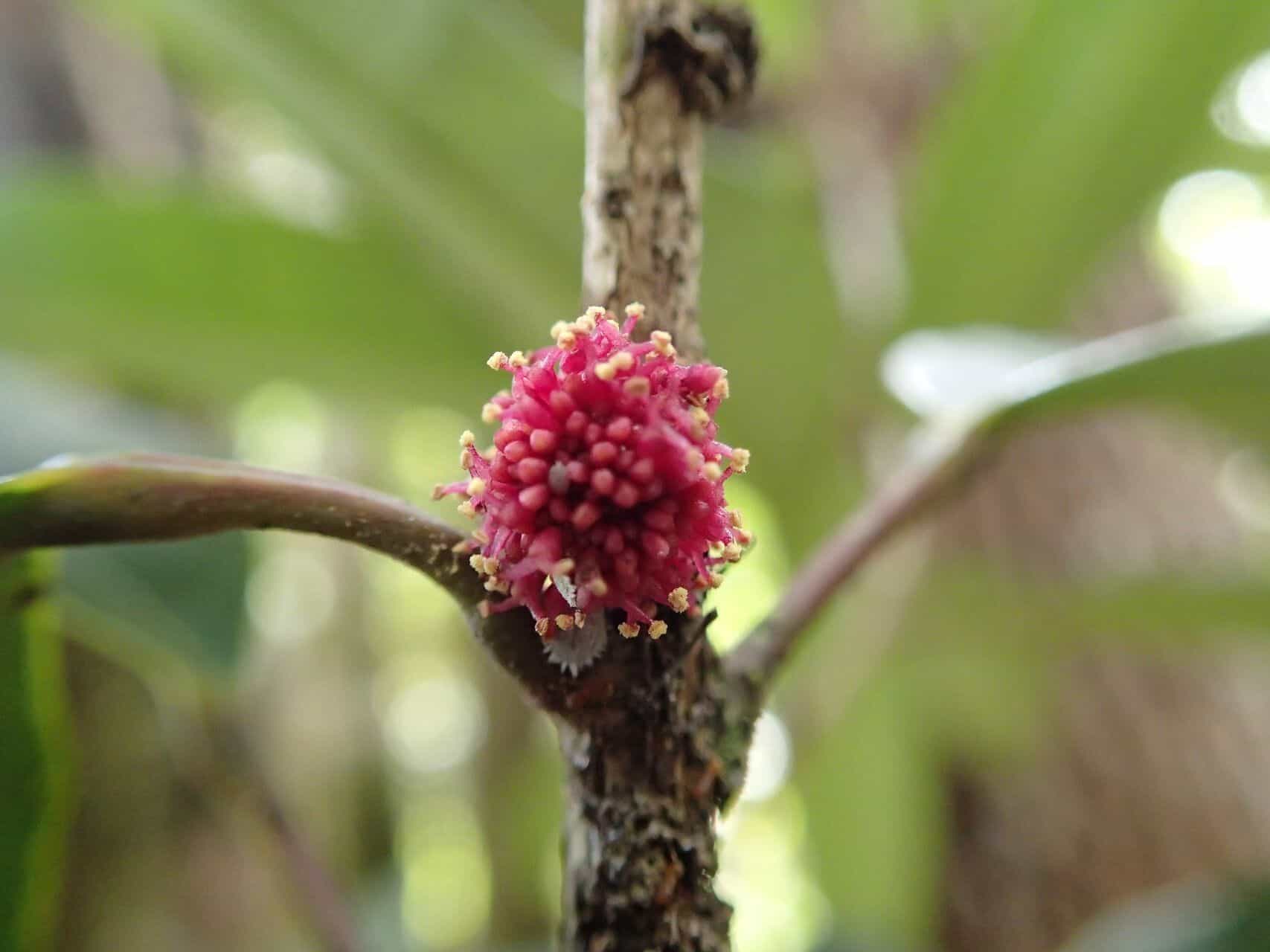
Unlocking the Secrets of Bocquillonia Sessiliflora Propagation: A Guide for Plant Enthusiasts
The Bocquillonia sessiliflora, with its glossy leaves and intriguing silhouette, might seem like a rare exotic difficult to cultivate. However, while this New Caledonian native might not be a household name (yet!), its propagation is achievable even for green thumbs still in training. This guide will delve into the methods of propagating Bocquillonia sessiliflora, empowering you to expand your plant family with this unique species.
Understanding Bocquillonia Sessiliflora
Before jumping into propagation, it’s helpful to understand the plant itself. This evergreen shrub, naturally found in the forests of New Caledonia, thrives in warm, humid environments. This knowledge is key to replicating its preferred conditions for successful propagation.
While Bocquillonia Sessiliflora can be propagated through seeds, the process is known to be challenging and unreliable. Instead, two main techniques offer higher success rates:
1. Stem Cuttings:
This method involves encouraging a severed portion of the parent plant to develop its own roots. Here’s how:
- Timing is Key: Spring, with its burst of growth hormones, is the ideal time for taking cuttings.
- Taking the Cutting: Select a healthy, non-flowering stem. Using a sharp, sterilized knife or pruning shears, cut a section approximately 4-6 inches long, just below a leaf node.
- Preparing the Cutting: Remove the lower leaves, leaving only a few at the top. If desired, dip the cut end in a rooting hormone powder to encourage root development.
- Planting: Insert the cutting into a well-draining potting mix (a blend of peat moss and perlite works well). Keep the soil consistently moist but not waterlogged.
- Creating a Humid Environment: Cover the pot with a clear plastic bag or use a propagation dome to maintain humidity, mimicking the tropical conditions Bocquillonia Sessiliflora prefers.
- Be Patient: Root development can take several weeks. Once you see new growth, it’s a good sign that your cutting has rooted!
2. Air Layering:
Air layering involves encouraging roots to develop on a stem while it is still attached to the parent plant.
- Choosing a Branch: Select a healthy, mature stem.
- Wounding the Stem: Make a small, upward-facing cut about a third of the way through the stem, just below a leaf node. You can insert a toothpick to keep the cut open.
- Applying Rooting Hormone (Optional): Dust the wounded area with rooting hormone to promote root development.
- Creating a Moisture Pocket: Wrap the wounded section with damp sphagnum moss, securing it with plastic wrap.
- Monitoring: Keep the moss consistently moist. Within a few weeks, you should see roots forming through the moss.
- Severing and Planting: Once a good root system develops, cut the stem below the new roots and pot it in a well-draining mix.
Caring for Young Bocquillonia Sessiliflora
Whether you’ve propagated through cuttings or air layering, provide your new plant babies with bright, indirect light and regular watering. Maintain humidity by misting regularly or using a pebble tray. Fertilize lightly during the growing season to support healthy development.
Propagating Bocquillonia Sessiliflora: A Rewarding Endeavor
Bringing new life into the world through plant propagation is a rewarding experience. While it requires patience and care, the joy of nurturing a cutting or air layer into a thriving Bocquillonia Sessiliflora is well worth the effort. So, why not roll up your sleeves, grab your gardening gloves, and embark on this fulfilling botanical journey?