
Propagating Boehmeria japonica: A Gardener’s Guide to the Japanese False Nettle
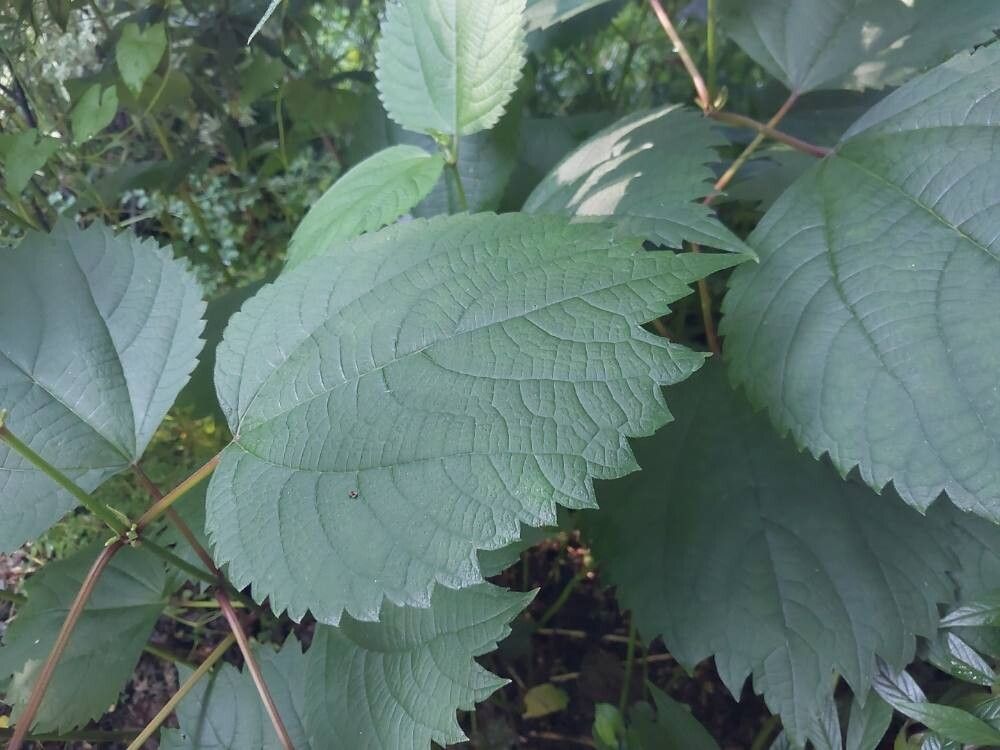
Boehmeria japonica, commonly known as Japanese False Nettle, is a captivating herbaceous perennial prized for its attractive foliage and its ability to thrive in shaded areas. Its arching stems bear serrated, ovate leaves with a slightly fuzzy texture, often exhibiting a striking variegation of greens and sometimes even hints of bronze. This makes it a popular choice among gardeners seeking to add texture and subtle beauty to shady corners of their gardens. However, propagating Boehmeria japonica presents its unique set of challenges, demanding patience and careful technique.
Seed Germination:
Currently, there are no known reliable methods for seed germination propagation of Boehmeria japonica. While the plant does produce seeds, their viability and germination rate are reportedly very low, making this method impractical for most gardeners. Further research into specific seed treatments or germination conditions might be needed to unlock this propagation route.
Cuttings:
Cuttings offer a more reliable method for propagating Boehmeria japonica.
Challenges: Rooting cuttings can be slow and somewhat unpredictable. The success rate depends significantly on the timing and the quality of the cutting material.
Practical Tips: Take semi-hardwood cuttings in late spring or early summer. Use a sharp knife or shears to take 4-6 inch cuttings, removing the lower leaves to prevent rot. Dip the cut ends in a rooting hormone powder before planting in a well-draining propagating mix (e.g., perlite and peat moss). Maintain high humidity using a propagation dome or plastic bag. Keep the mix consistently moist, but not waterlogged. Rooting can take several weeks to months.
Rewards: Cuttings offer a straightforward way to clone a desirable plant, preserving its unique characteristics, including any interesting leaf variegation. It’s a relatively inexpensive method for expanding your collection.
Division:
Division is considered the most reliable and successful method for propagating Boehmeria japonica.
Challenges: The plant might not always readily divide, particularly if it’s young or hasn’t developed a robust root system. Damage to the roots during division can also hinder growth.
Practical Tips: The best time to divide Boehmeria japonica is in spring or early autumn. Carefully dig up the mature plant, gently separating the clump into smaller sections, ensuring each division has healthy roots and several shoots. Replant the divisions immediately in a well-prepared, moist soil that mimics its natural growing conditions – partial shade and well-drained soil.
Rewards: Division is relatively quick and simple, allowing for a rapid increase in the number of plants. It also helps rejuvenate older plants.
Tissue Culture:
Tissue culture is a complex and specialized method, typically requiring a laboratory setting and expertise.
Challenges: It’s expensive, requires sterile conditions, specialized equipment, and technical knowledge.
Practical Tips: While possible, this method is beyond the scope of the home gardener. It is best suited for large-scale propagation in nurseries or research settings.
Rewards: Tissue culture offers the potential for rapid mass propagation and the elimination of diseases.
Conclusion:
Propagating Boehmeria japonica successfully requires patience and attention to detail. While seed propagation remains unreliable, cuttings offer a reasonable alternative, especially for preserving specific traits. Division, however, emerges as the most practical and efficient method for most gardeners, providing the best chance of success. Tissue culture, though effective for large-scale propagation, is generally inaccessible to home cultivators. The unique challenges involved in propagating Boehmeria japonica serve to make its cultivation all the more rewarding. The satisfaction of nurturing a cutting or division into a thriving plant is a testament to the gardener’s persistence and dedication, adding immensely to the joy of cultivating this beautiful, understated species. Don’t be discouraged by setbacks; with persistence and the right techniques, you can successfully propagate and enjoy the unique beauty of Boehmeria japonica in your garden.