
Propagating Boehmeria ternifolia: A Gardener’s Guide to the False Nettle
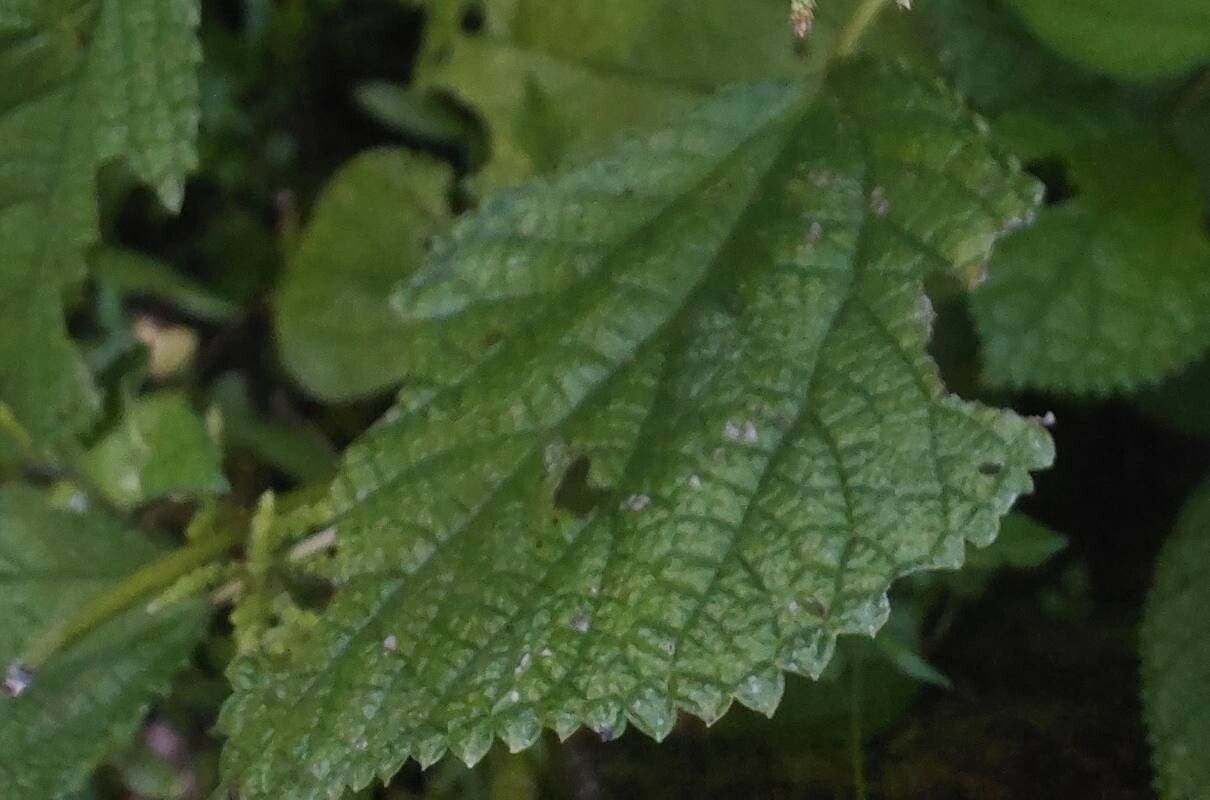
Boehmeria ternifolia, commonly known as the three-leaf false nettle, is a fascinating and increasingly popular plant among gardeners. This herbaceous perennial, native to parts of Asia, boasts attractive foliage, often with serrated edges and a slightly fuzzy texture, and exhibits a graceful, spreading habit. Its understated beauty, low maintenance requirements, and tolerance of shade make it a desirable addition to woodland gardens or as a groundcover. However, propagating Boehmeria ternifolia presents unique challenges that require specific techniques for success.
Seed Germination:
Currently, there are no known reliable methods for seed germination propagation of Boehmeria ternifolia. While the plant produces seeds, their viability is reportedly extremely low, and successful germination has not been widely documented. Further research into seed-based propagation may be necessary to determine if specific pre-treatments or germination conditions could improve success rates.
Cuttings:
Cuttings offer a more reliable method for propagating Boehmeria ternifolia.
Challenges: The success rate of stem cuttings can be variable. Factors such as the age and health of the parent plant, the time of year (spring or early summer is ideal), and the humidity level during rooting can influence success.
Tips: Take semi-hardwood cuttings (partially matured stems) of approximately 4-6 inches in length. Remove lower leaves to prevent rot, and dip the cut end in a rooting hormone powder. Plant cuttings in a well-draining propagation mix, such as a blend of perlite and peat moss, and maintain high humidity using a plastic dome or propagator. Consistent moisture, but not soggy conditions, is critical.
Rewards: Cuttings offer a relatively simple method for creating genetically identical copies of a desirable mother plant, ensuring the preservation of its specific characteristics. It offers a good way to quickly increase the number of plants.
Division:
Division is a very effective method for propagating Boehmeria ternifolia.
Challenges: The best time to divide is during spring or early autumn when the plant is actively growing but not under extreme heat stress. Divisions must be large enough to contain established roots and shoots for successful transplanting. Rough handling can damage the roots and hamper establishment.
Tips: Gently dig up the mature plant, carefully separating its rhizomes into smaller sections, ensuring each division has several healthy roots and shoots. Replant the divisions immediately into well-prepared soil, keeping them well-watered until they become established.
Rewards: Division is a quick and efficient way to increase the number of plants. It also avoids the potential issues associated with seed germination or propagating from cuttings.
Tissue Culture:
While not commonly employed for home propagation, tissue culture offers a potentially high-yield method for propagating Boehmeria ternifolia.
Challenges: This technique requires specialized equipment, sterile conditions, and a detailed understanding of plant tissue culture protocols. It’s generally not a practical option for home gardeners.
Tips: This method requires a laboratory setting and expertise in plant tissue culture techniques, utilizing growth media and hormones tailored to the specific needs of Boehmeria ternifolia.
Rewards: Tissue culture allows for large-scale propagation and the production of virus-free plants.
Conclusion:
Propagating Boehmeria ternifolia presents varying degrees of difficulty depending on the chosen method. While seed germination remains unreliable, cuttings and division offer viable and relatively straightforward approaches for the home gardener. Tissue culture provides a powerful but more complex alternative for larger-scale propagation. The rewards of successfully cultivating this elegant plant, however, outweigh the challenges. The satisfaction of nurturing a cutting into a thriving plant, or seeing a divided clump multiply, is a testament to the gardener’s patience and skill. Don’t be discouraged by initial setbacks – experiment with different techniques, learn from your mistakes, and enjoy the journey of cultivating this unique and rewarding addition to your garden.