
Unveiling the Secrets: How to Propagate the Spreading Hogweed (Boerhavia dominii)
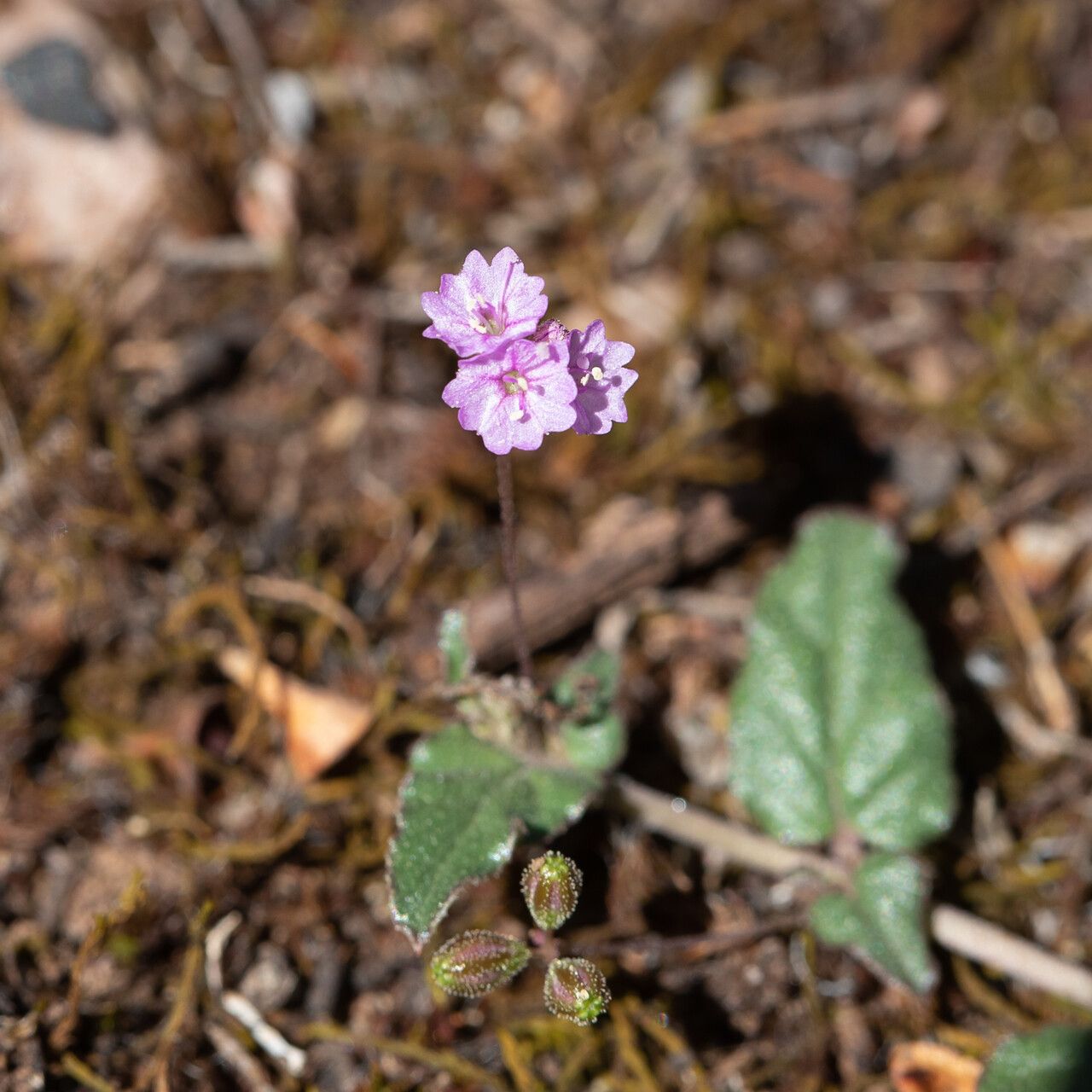
The Spreading Hogweed (Boerhavia dominii), despite its somewhat unflattering name, is a fascinating plant with a tenacious spirit. This sprawling ground cover, native to various parts of the world, boasts delicate pink flowers and a surprising resilience that allows it to thrive even in challenging conditions. If you’re intrigued by this tenacious beauty and want to encourage its spread in your garden, understanding its propagation methods is key.
While often considered a “weed,” Boerhavia dominii offers subtle beauty and impressive adaptability. It’s drought-tolerant, thrives in poor soil conditions, and attracts pollinators with its charming blooms. Propagating this hardy plant is surprisingly easy, and we’ll explore the two most effective methods:
Method 1: Seed Propagation
Spreading Hogweed is incredibly prolific when it comes to seed production. In fact, you might already find seedlings popping up around established plants! Here’s a step-by-step guide to propagate from seed:
- Seed Collection: The tiny seeds are found within small, sticky fruits. Collect these fruits once they turn dry and brown, usually in late summer or early fall.
- Seed Preparation (Optional): While not strictly necessary, you can improve germination rates by lightly scarifying the seeds. Gently rub them between two pieces of sandpaper to nick the outer layer.
- Sowing: Sow the seeds directly into prepared soil outdoors after the last frost, or start them indoors 6-8 weeks before the last frost.
- Soil and Light: Use a well-draining soil mix. Keep the soil consistently moist but not waterlogged. Place seed trays in a bright location, out of direct sunlight.
- Transplanting: Once seedlings develop a few sets of true leaves and the danger of frost has passed, transplant them to their desired location in your garden.
Method 2: Cuttings
For those who prefer a quicker method, propagating from stem cuttings is another excellent option for Boerhavia dominii. Here’s how:
- Taking Cuttings: In spring or early summer, select healthy, non-flowering stems. Using clean, sharp shears, take cuttings about 4-6 inches long, making the cut just below a leaf node.
- Preparing the Cuttings: Remove the lower leaves from the cutting, leaving a few at the top. Dip the cut end in rooting hormone (optional but beneficial).
- Planting: Insert the cuttings into a well-draining potting mix, burying at least two nodes below the surface.
- Humidity and Warmth: Maintain a warm and humid environment for the cuttings. You can achieve this by placing a plastic bag over the pot or using a humidity dome.
- Rooting: Within a few weeks, the cuttings should develop roots. Gently tug on the cutting – resistance indicates successful rooting.
- Transplanting: Once the cuttings are well-rooted, you can transplant them to individual pots or directly into your garden.
Final Tips for Success:
- Boerhavia dominii prefers a sunny location but can tolerate partial shade.
- This plant is drought-tolerant but benefits from regular watering, especially during establishment.
- Deadhead spent flowers to encourage more blooms and prevent excessive self-seeding if desired.
Propagating Boerhavia dominii, whether from seed or cuttings, is a rewarding experience. With a little patience and care, you can easily multiply these resilient plants, allowing their unassuming charm and tenacity to grace your garden for seasons to come.