
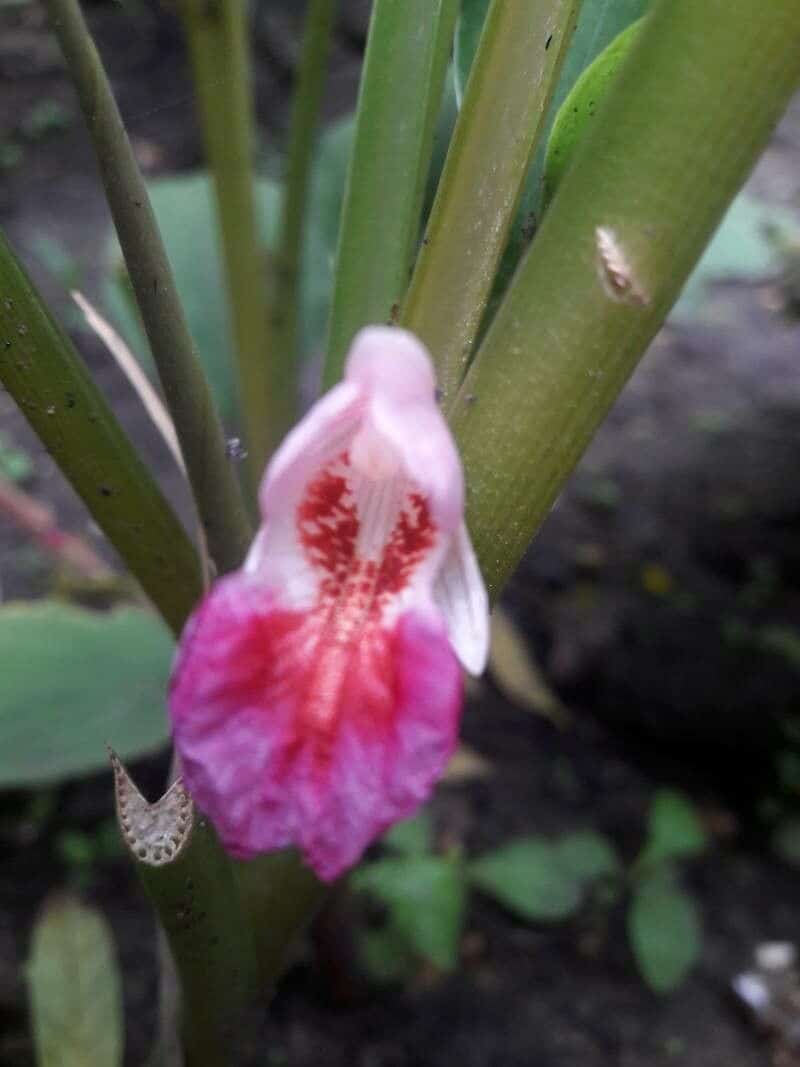
Unlocking the Secrets of Propagation: Growing More Boesenbergia Rotunda
Boesenbergia rotunda, also known as Chinese keys or fingerroot, is a fascinating plant with a long history of culinary and medicinal use in Southeast Asia. Its unique, ginger-like rhizomes are packed with flavor and offer a wealth of health benefits. If you’re lucky enough to have this plant grace your garden or kitchen, you might be wondering how to propagate it and expand your flavorful bounty. Well, you’re in luck! Propagating Boesenbergia rotunda is relatively simple, even for beginner gardeners, and can be achieved through two primary methods: rhizome division and growing from seeds.
Rhizome Division: The Foolproof Method
Rhizome division is the most common and reliable way to propagate Boesenbergia rotunda. Similar to ginger, the plant spreads through underground stems called rhizomes. These rhizomes develop nodes, which have the potential to sprout new shoots and roots.
Here’s how to propagate through rhizome division:
Timing is key: The ideal time to divide your Boesenbergia rotunda is in early spring, just as new growth begins to emerge.
Harvesting rhizomes: Gently dig up a mature plant, ensuring you don’t damage the rhizomes. Choose healthy rhizomes that have at least one prominent node.
Divide and conquer: Using a sharp, sterilized knife or shears, divide the rhizome into sections, ensuring each section has at least one healthy node.
Let the healing begin: Allow the cut surfaces of the rhizomes to dry and callous for a day or two. This helps prevent rot and encourages faster root development.
Planting time: Choose a well-draining potting mix or prepare a spot in your garden with loose, fertile soil. Plant each rhizome section about 2-3 inches deep, with the node facing upwards.
- Water and Patience: Water the newly planted rhizomes thoroughly and keep the soil consistently moist but not waterlogged. Be patient, as it might take a few weeks for new growth to appear.
Growing from Seeds: A More Challenging but Rewarding Feat
While less common, propagating Boesenbergia rotunda from seeds is possible and offers a unique challenge for plant enthusiasts. Here’s what you need to know:
Sourcing seeds: Finding viable seeds can be tricky as Boesenbergia rotunda doesn’t always produce seeds readily. You might find some from specialized nurseries or online retailers.
Seed Preparation: Soak the seeds in warm water for 24 hours before sowing to enhance germination rates.
Sowing the seeds: Use a well-draining seed starting mix and sow the seeds about ½ inch deep. Keep the soil consistently moist and warm (around 75-85°F).
Patience is your best tool: Germination can be slow and erratic, taking anywhere from a few weeks to a couple of months.
- Transplanting seedlings: Once the seedlings are a few inches tall and have developed a good root system, you can transplant them into larger pots or directly into your garden.
Reaping the Rewards:
Regardless of the propagation method you choose, successfully growing new Boesenbergia rotunda plants allows you to enjoy the unique flavor and health benefits of this remarkable plant. Add it to stir-fries, curries, soups, and teas, or simply enjoy it fresh. By mastering the art of propagation, you can ensure a continuous supply of this flavorful and versatile plant for years to come.