
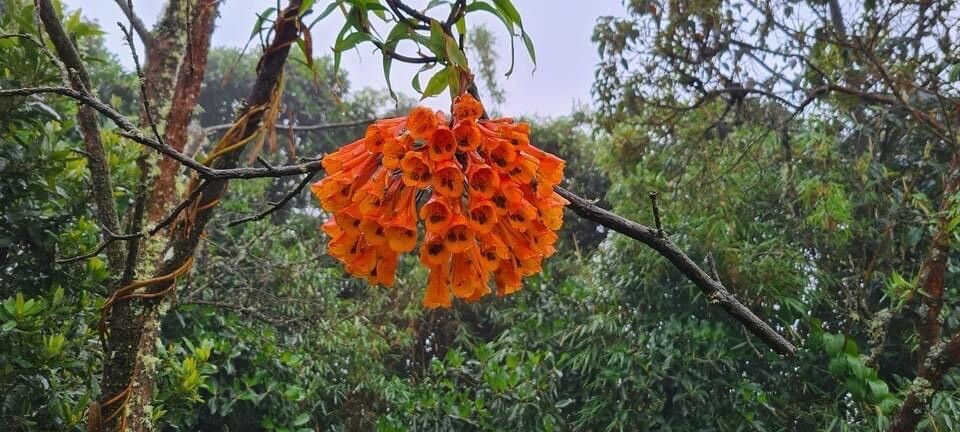
Bomarea Multiflora: A Climbing Beauty You Can Easily Propagate
Bomarea multiflora, with its vibrant orange-red trumpet-shaped flowers and graceful climbing habit, is a true showstopper. This tropical beauty, also known as the “Red Bomarea” or “Climbing Lily”, can add a splash of color and texture to your garden. But what if we told you that you could easily share this beauty with others, or even expand your own collection, by propagating it yourself?
Propagating Bomarea multiflora is a surprisingly straightforward process, even for beginner gardeners. Here’s a step-by-step guide:
1. Understanding the Options
- Division: This involves carefully separating portions of the plant’s rhizomes, each containing a growth point. This is a simple and effective method, but requires a mature plant with well-established roots.
- Seed Propagation: This method can be time-consuming, requiring patience and a carefully controlled environment. Fresh seeds have the best germination rates and need to be sowed in a warm, humid environment.
- Cuttings: This method involves rooting stem cuttings. While less common, it’s a viable option if you have a healthy plant with vigorous growth.
2. Division: The Simplest Approach
- Best Time: Spring is the ideal time for dividing Bomarea multiflora, during its active growth phase.
- Process:
- Carefully dig up the plant.
- Identify distinct rhizomes with healthy growth points.
- Use a sharp knife or shears to divide the rhizomes, ensuring each section has at least one growth point.
- Plant the divisions in well-drained potting mix or directly in the garden, leaving enough space for growth.
- Post-division Care: Keep the newly divided plants well-hydrated and in a shady spot for a few weeks to allow them to establish their roots.
3. Seed Propagation: A Test of Patience
- Collecting Seeds: Collect seeds from ripe seed pods. Once the pods turn brown and dry, they are ready for harvest.
- Sowing: Sow seeds in a seed tray filled with a well-draining seed starting mix. Keep the mix evenly moist and warm (around 75°F).
- Germination: Bomarea seeds can take several weeks to germinate. Maintain a humid environment and ample light.
- Transplanting: Once seedlings develop a few true leaves, you can transplant them into individual pots or, eventually, directly into the garden.
4. Cuttings (Less Common But Still Possible)
- Taking Cuttings: Take stem cuttings from a healthy plant, ensuring each cutting has at least two nodes.
- Preparation: Remove the lower leaves and dip the cut end in rooting hormone.
- Planting: Insert the cuttings in a moisture-retaining rooting medium.
- Environment: Keep the cuttings in a warm, humid environment with bright but indirect light.
- Rooting: Expect cuttings to root within several weeks to a few months.
5. General Propagation Tips for Bomarea Multiflora
- Use sterile tools: To prevent the spread of diseases, always sanitize your tools before and after propagation.
- Choose healthy plant material: Only propagate from healthy, vigorous plants.
- Provide adequate light and moisture: Bomarea multiflora thrives in bright, indirect light and needs ample water.
- Be patient: Patience is key to successful propagation. It takes time for roots to establish and new plants to grow.
Conclusion
Bomarea multiflora offers a captivating display of color and beauty, and its propagation is surprisingly accessible. Whether you choose division, seed propagation, or even cuttings, sharing this climbing beauty with others or expanding your own collection is within reach. With a little care and patience, you can enjoy the rewards of propagating this stunning botanical treasure.