
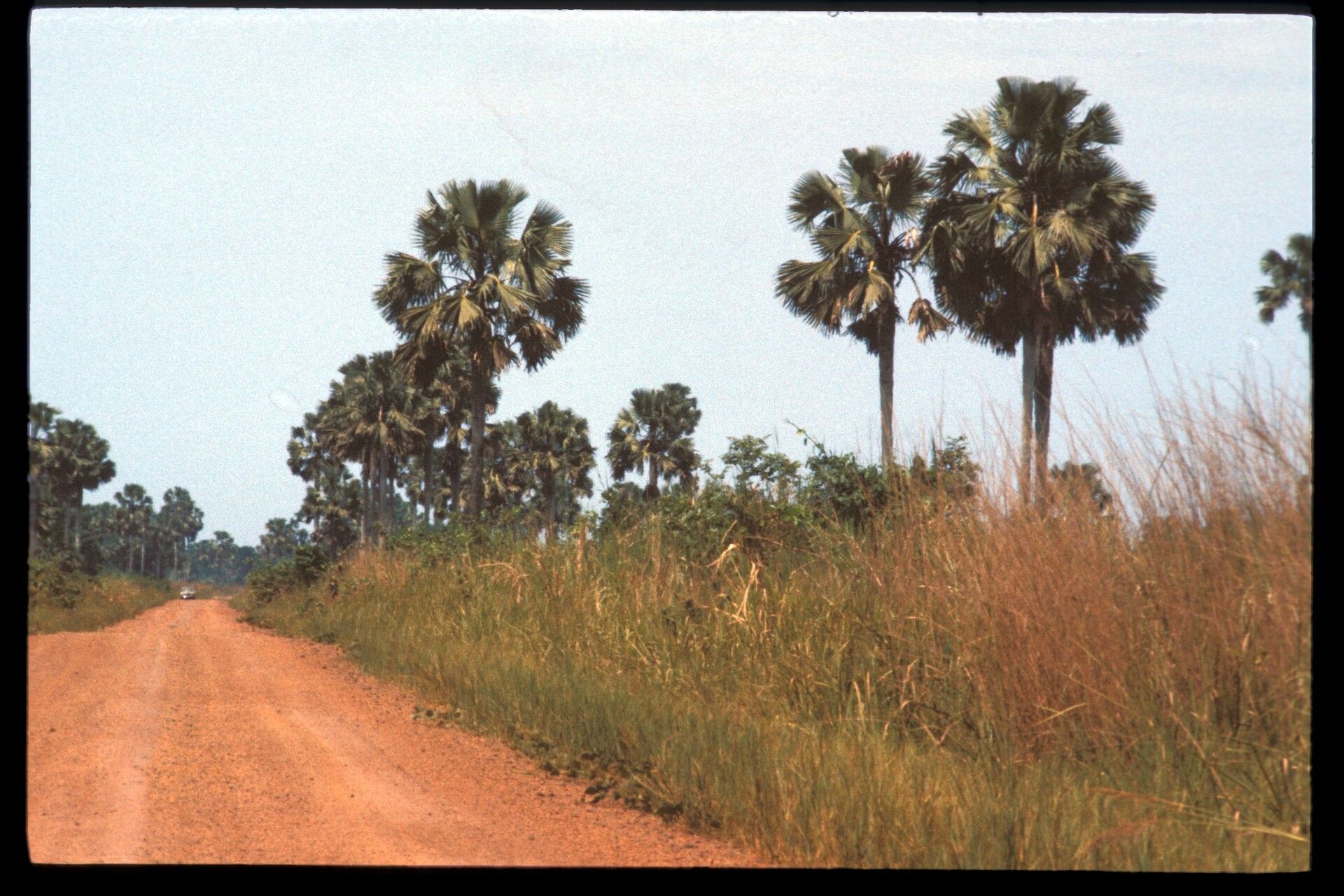
Unlocking the Secrets of Borassus akeassii: A Guide to Propagation
The Borassus akeassii, also known as the African Fan Palm, is a majestic sight, gracing landscapes with its towering stature and distinctive fan-shaped leaves. These resilient palms have a captivating history and a crucial role in African ecosystems, but they’re not as commonly found in gardens as their relative, the Date Palm. If you’re fascinated by this unique species and eager to bring its beauty into your own space, then understanding propagation methods is crucial.
A Look into the Borassus akeassii
Before diving into the propagation process, let’s get acquainted with this remarkable palm. Native to West and Central Africa, the Borassus akeassii is a truly versatile plant. It produces edible fruits, serves as a vital building material, and provides a source of sap for making wine. However, propagating these palms isn’t as simple as planting a seed and waiting.
Methods of Propagation: The Path to New Palms
There are two primary methods for propagating Borassus akeassii:
The Natural Way: This is the most common and traditional method. Fresh seeds obtained from ripe fruits are directly sown into well-prepared soil. However, germination rates can vary, and it’s a time-consuming process, often taking several months or even years.
Pre-Treatment for Success: To boost germination rates, consider soaking the seeds in water for a day or two to soften the hard outer layer. Scarification (scratching or nicking the seed coat) can also improve germination.
- Patience is Key: Expect a long wait for seed-grown palms to reach maturity. This method requires years of nurturing before you’ll witness the majestic appearance of your young Borassus akeassii.
- Vegetative Propagation:
Tapping into Clonal Potential: Vegetative propagation involves leveraging the palm’s ability to sprout new plants from existing tissues. This method offers faster growth and ensures that the offspring retain the characteristics of the parent plant.
Offshoots and Root Suckers: The most successful vegetative method is utilizing offshoots, which are small, independent plantlets that arise from the base of the palm. Root suckers, which develop from underground roots, can also be used, but they are less common.
- Specialized Techniques: While offshoots are the preferred choice for vegetative propagation, utilizing specialized techniques like air layering or tissue culture can also be explored, but they are more complex and often require specialized labs or greenhouses.
A Few Words of Caution
- Climate is Critical: Borassus akeassii thrives in warm, tropical climates, so ensure your chosen environment meets their needs.
- Patience is a Virtue: Whether you choose seeds or offshoots, be prepared for a lengthy propagation process.
- Respect the Law: Check local regulations regarding the collection and propagation of this species to ensure your actions are legal and sustainable.
Growing Your Own Borassus Akeassii
By carefully considering the various propagation methods and understanding the needs of this fascinating palm, you can embark on a rewarding journey of cultivating this majestic species. From the patience required for seed propagation to the quicker results of offshoots, the choice is yours. Whichever path you choose, remember that nurturing a Borassus akeassii is an adventure in itself, rewarding you with a breathtaking palm that will grace your landscape for generations to come.