
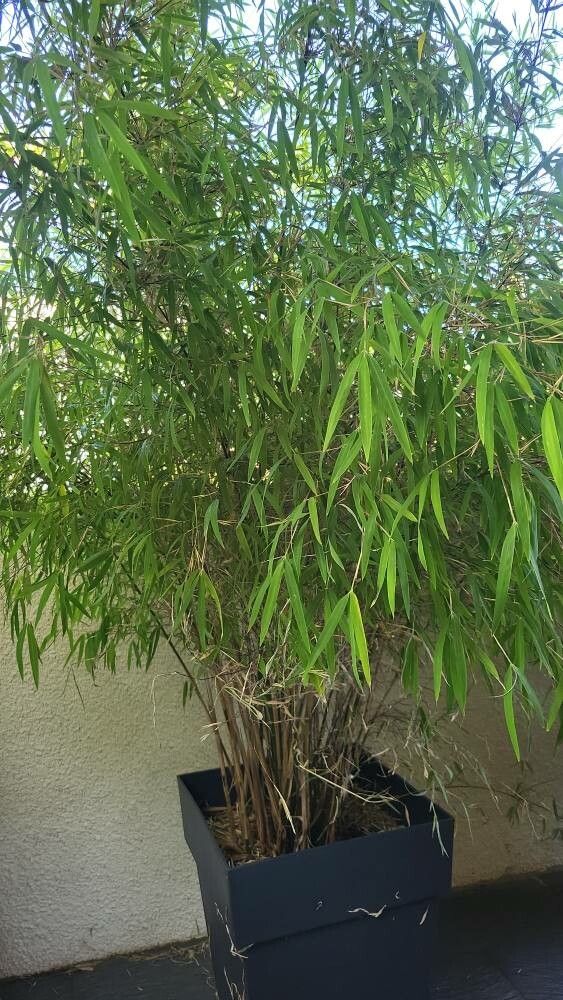
Propagating Borinda angustissima: A Gardener’s Guide to a Rare Bamboo
Introduction:
Borinda angustissima, sometimes known as Narrow-leaved Borinda, is a visually striking bamboo prized for its slender, elegant canes and graceful, clumping habit. Unlike many bamboos known for their rampant spread, Borinda angustissima remains relatively contained, making it a desirable addition to smaller gardens or as a specimen plant. Its refined appearance and manageable size contribute to its growing popularity among gardeners, but its relative rarity can make propagation a challenge. This article explores various methods for propagating this fascinating bamboo.
Seed Germination:
Currently, there are no known reliable methods for seed germination propagation of Borinda angustissima. While some bamboo species readily propagate from seed, Borinda angustissima appears less amenable to this approach. Limited research and anecdotal evidence suggest either very low germination rates or significant difficulties in achieving seed production in cultivated settings.
Cuttings:
Cuttings offer a more promising route to propagation.
Challenges: Success with cuttings depends heavily on timing and technique. The ideal time is generally during the late spring or early summer when the bamboo is actively growing. Using improper rooting hormone or failing to maintain high humidity can significantly reduce success rates.
Practical Tips: Take semi-hardwood cuttings, approximately 4-6 inches long, from the current season’s growth. Remove lower leaves to prevent rot. Dip the cut ends in a rooting hormone powder before planting in a well-draining propagation mix (e.g., a mix of perlite and peat moss). Maintain high humidity by covering the cuttings with a plastic bag or dome. Keep the mix consistently moist but not waterlogged. Rooting can take several weeks to months.
- Rewards: Cuttings offer a relatively straightforward method for cloning existing plants, guaranteeing the preservation of desirable traits. It’s an efficient method for producing a small number of plants quickly.
Division:
Division is another viable method for propagating Borinda angustissima.
Challenges: This method requires an established, mature clump. Carefully dividing the rhizome system without damaging the individual shoots is crucial. Poorly executed division can result in weaker plants or even plant death.
Practical Tips: During the dormant season (late fall or early spring) carefully dig up the clump. With a sharp, clean spade or knife, divide the clump into sections, ensuring each section contains several healthy rhizomes and shoots. Replant immediately, ensuring the rhizomes are adequately covered with soil and well-watered.
- Rewards: Division allows for multiplying mature plants more quickly offering an established plant structure to work with. It is relatively less technical compared to cuttings.
Tissue Culture:
Tissue culture propagation is a highly specialized technique.
Challenges: Tissue culture requires specialized equipment, sterile conditions, and a high level of expertise. This is a less accessible option for the home gardener. Finding a lab capable of performing such propagation is also a challenge.
Practical Tips: This method would involve taking small samples of plant tissue (e.g., shoot tips or nodal segments) to induce regeneration into new plantlets in a controlled environment with sterile media and nutrients.
- Rewards: Tissue culture could offer a method for large-scale propagation and disease elimination and, theoretically is applicable for large-scale production of this interesting bamboo.
Conclusion:
While seed propagation for Borinda angustissima hasn’t yielded any reliable success to date, cuttings and division offer feasible options for home gardeners. Cuttings provide an efficient method for generating new plants, while division allows for the rapid propagation of established clumps. Tissue culture represents a more advanced, large-scale approach. The process of successfully propagating Borinda angustissima can be challenging, requiring patience, attention to detail, and a bit of trial and error. However, the reward of cultivating this beautiful and unique bamboo is a testament to your dedication, offering a sense of accomplishment that surpasses the difficulties encountered along the way. Don’t be discouraged by setbacks; persist, experiment, and enjoy the journey of bringing this elegant bamboo into your garden.