
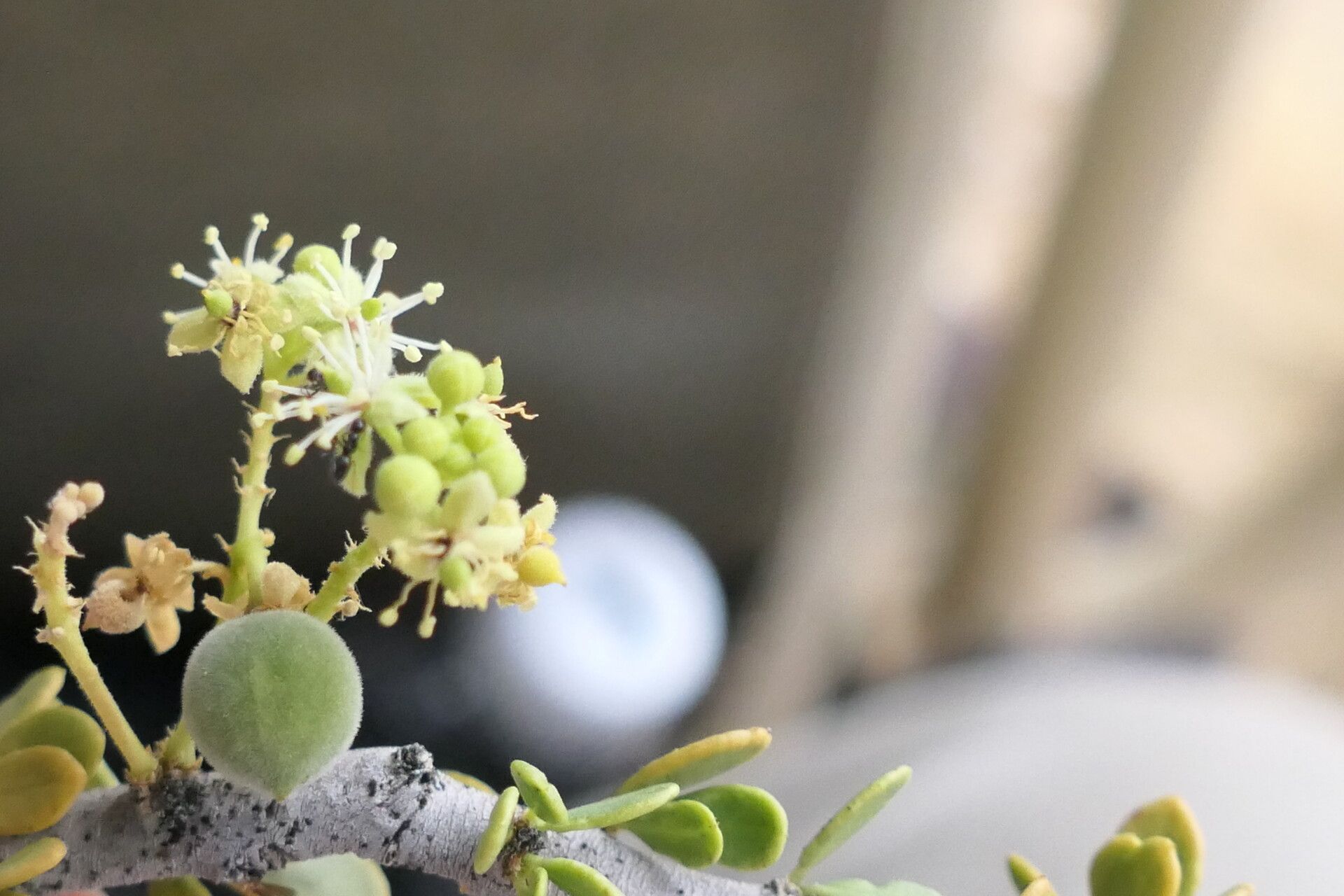
From Seed to Success: Propagating the Unique Boscia Foetida
The Boscia foetida, also known as the “stinkwood” or “wild raisin tree,” is a captivating plant with a fascinating history. Its distinctive aroma and striking silhouette make it a coveted horticultural treasure. But how can you grow your own?
The good news is, propagating Boscia foetida is achievable for even novice gardeners. This article explores the two primary methods: seed propagation and cuttings.
1. Seed Propagation: A Journey From Seed to Sapling
Seeds are the most common way to bring new Boscia foetida into the world.
- Collecting Seeds: Harvesting seeds from ripe fruits is crucial. Look for fruits that have turned a deep purple or black, indicating maturity.
- Seed Preparation: Once collected, remove the seeds from the fleshy fruit and thoroughly clean them. A gentle soaking in water for a few hours helps remove any remaining pulp.
- Sowing the Seeds: Choose a well-draining seed-starting mix or a mixture of potting soil and perlite. Sow the seeds about ½ inch deep. Ensure the soil is consistently moist, but not waterlogged.
- Germination: These seeds can take weeks or even months to germinate. Patience is key! Maintain a temperature around 70-75°F for optimal germination.
- Transplanting: Once seedlings have developed a few true leaves, you can transplant them into individual pots.
2. Cuttings: A Faster Route to New Plants
For those seeking faster results, propagation from cuttings is an option.
- Choosing Cuttings: Take softwood cuttings, which are young, green stems, during the spring or summer. They should be 4-6 inches long and have several leaf nodes.
- Preparing the Cuttings: Remove the leaves from the bottom inch or two of the cutting. Then, dip the cut end into a rooting hormone powder to encourage root growth.
- Planting the Cuttings: Plant the cuttings in a pot filled with a well-draining potting mix and keep them in a warm, humid environment. Regular misting will help maintain a moist environment for root development.
- Root Formation: With care and patience, your cuttings should start to root within a few weeks.
Important Considerations for Propagation
- Light and Temperature: Boscia foetida prefers full sun and warm temperatures. Ensure your seedlings or cuttings receive adequate sunlight and warmth.
- Watering: Both seeds and cuttings require consistent moisture, but avoid overwatering as it can lead to root rot.
- Soil: Choose a well-draining potting mix enriched with organic matter.
- Protection: Boscia foetida is relatively adaptable, but it’s wise to protect young plants from strong winds and extreme temperatures.
Conclusion:
Growing your own Boscia foetida is a rewarding experience, offering the chance to appreciate this fascinating plant from its humble beginnings. Whether you choose seeds or cuttings, careful propagation techniques are crucial to ensure your new plant’s success.
Remember to cherish the journey as you nurture your Boscia foetida, watching it blossom into a beautiful and unique addition to your garden. Its distinctive scent, reminiscent of raisins and spices, will undoubtedly be a cherished part of your personal horticultural landscape.