
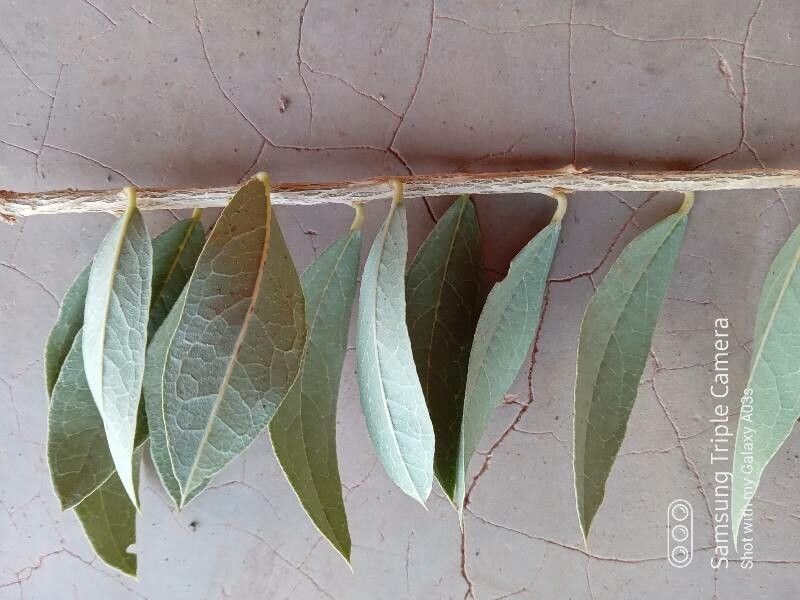
Unlocking the Secrets of the Shepherd’s Tree: A Guide to Propagating Boscia mossambicensis
The Shepherd’s Tree (Boscia mossambicensis), a true survivor of Africa’s arid landscapes, stands as a testament to nature’s resilience. This iconic tree, with its distinctive smooth, almost luminous bark and dense, leafy crown, is not only a vital source of food and shelter in its native habitat but also a fascinating addition to gardens in suitable climates.
But how do you go about introducing this hardy species to your own outdoor space? While not commonly found in nurseries, propagating Boscia mossambicensis is achievable with a dash of patience and the right know-how.
Seeds: The Path to Patience
Propagating from seeds presents the most common, albeit slower, method. Here’s a step-by-step guide:
Sourcing Seeds: Obtaining fresh seeds is crucial. Check online retailers specializing in African plants or contact botanical gardens for potential sources.
Preparing for Sowing: Due to their hard outer shell, Shepherd’s Tree seeds require scarification to improve germination rates. Lightly rub each seed with sandpaper or a file, just enough to “nick” the outer layer.
Sowing the Seeds: Plant the scarified seeds in a well-draining seed-starting mix, burying them approximately half an inch deep. Water thoroughly, ensuring the soil remains consistently moist but not waterlogged.
Creating a Greenhouse Effect: Cover the seed tray with a plastic dome or wrap to trap humidity and promote germination. Place the tray in a warm, bright location, out of direct sunlight.
- The Waiting Game: Germination can be erratic, taking anywhere from a few weeks to several months. Be patient and continue to provide consistent moisture.
Cuttings: A Quicker, Less Certain Route
Propagating from cuttings offers a faster alternative, but success rates can be variable. Here’s how to try:
Timing is Key: Take cuttings during the active growing season, ideally in spring or early summer.
Selecting the Cutting: Choose a healthy, semi-hardwood stem that’s around 4-6 inches long. Ideally, select a branch with a “heel,” a small piece of older wood attached.
Preparing the Cutting: Remove the leaves from the bottom two-thirds of the stem. Dip the cut end in a rooting hormone powder to encourage root development.
Planting the Cutting: Fill a small pot with a well-draining potting mix. Make a hole in the center and carefully insert the treated end of the cutting. Firmly press the soil around the base.
Creating a Humid Environment: Cover the pot with a clear plastic bag to maintain humidity. Place the cutting in a bright location, out of direct sunlight.
- Monitoring Growth: Within a few weeks, you should start to see new growth, indicating successful rooting. Once the cutting appears vigorous, gradually acclimate it to outdoor conditions before transplanting it to a larger pot or garden bed.
A Legacy for Future Generations
Propagating Boscia mossambicensis, whether from seed or cutting, offers a rewarding experience, connecting you to the ancient landscapes of Africa. Though it requires patience and dedication, successfully nurturing a new generation of these iconic trees brings a sense of satisfaction like no other, ensuring these symbols of resilience continue to grace our planet for years to come.